Stage 1. Main trees (40–50%)
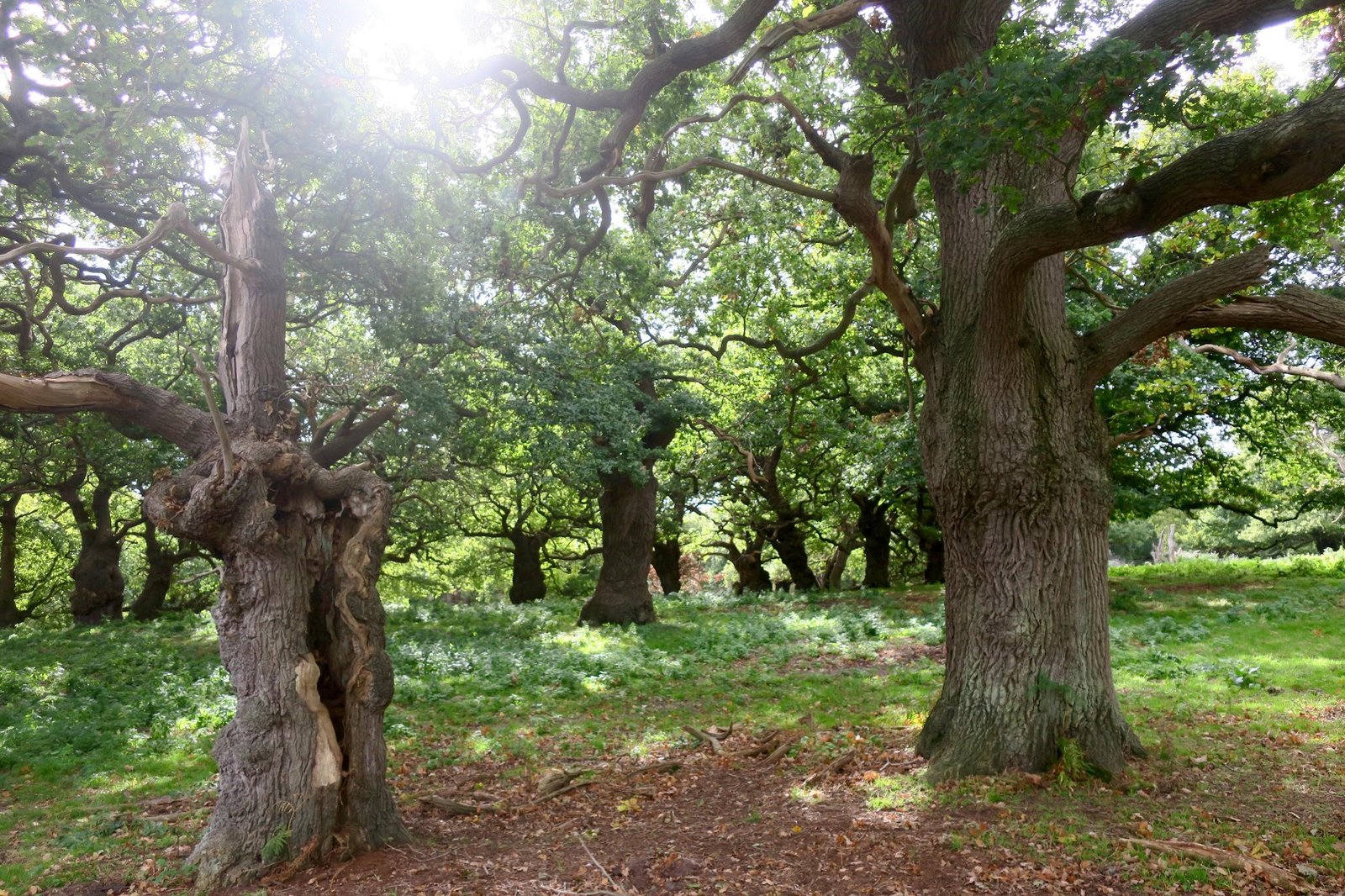
1. Oak (40%)
The foundation of the forest for centuries.
Functions:
the main custodian of biodiversity;
durability 500–1000+ years;
powerful root system;
acorns feed animals;
creates a stable microclimate.
This is the "skeleton" of the future forest.
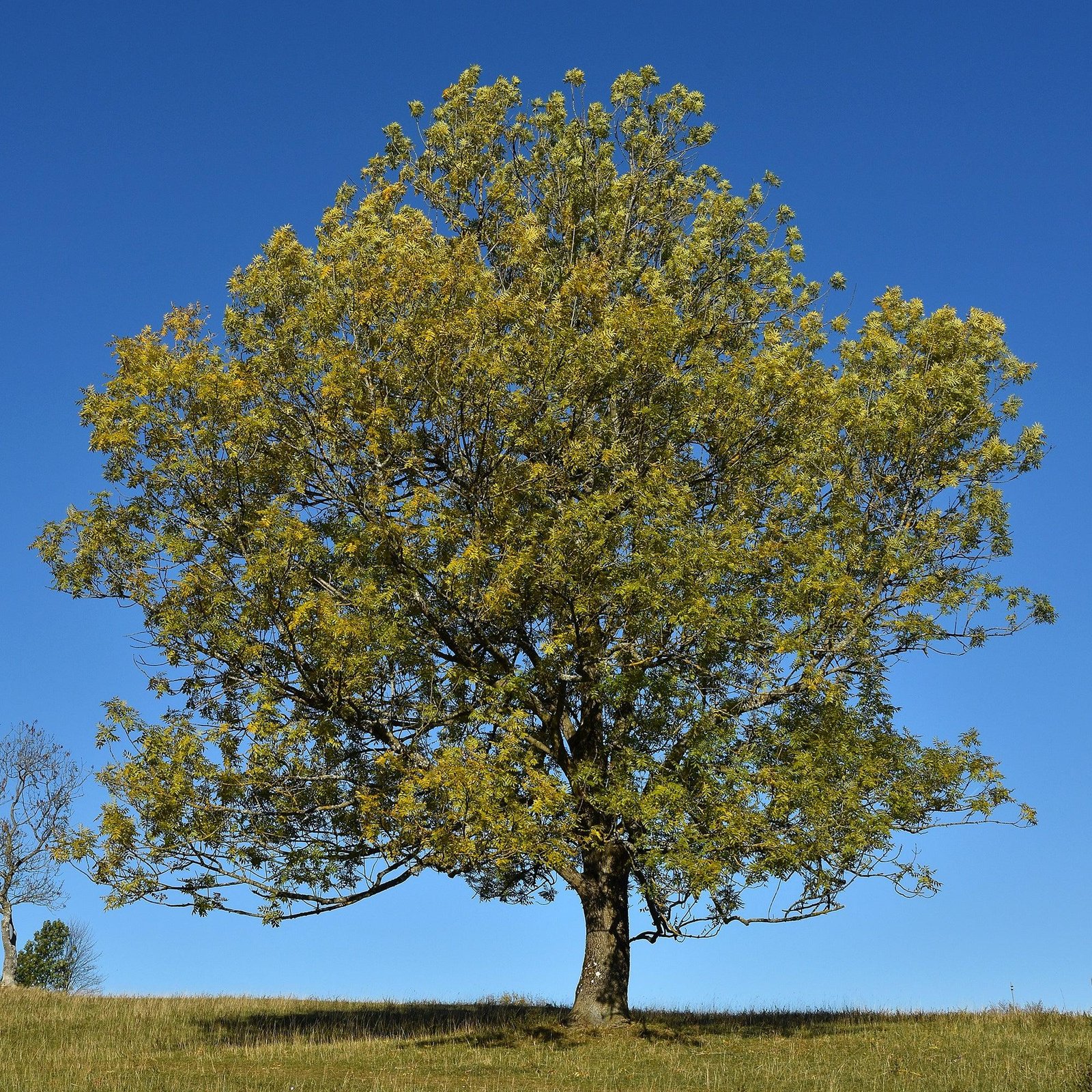
2. Ash (20%)
Fertility engineer.
Functions:
quickly improves the soil;
accelerates the formation of humus;
transmits light;
helps young trees develop.
After 50–100 years, some ash trees naturally give way to oaks, but continue to play an important role where they remain.
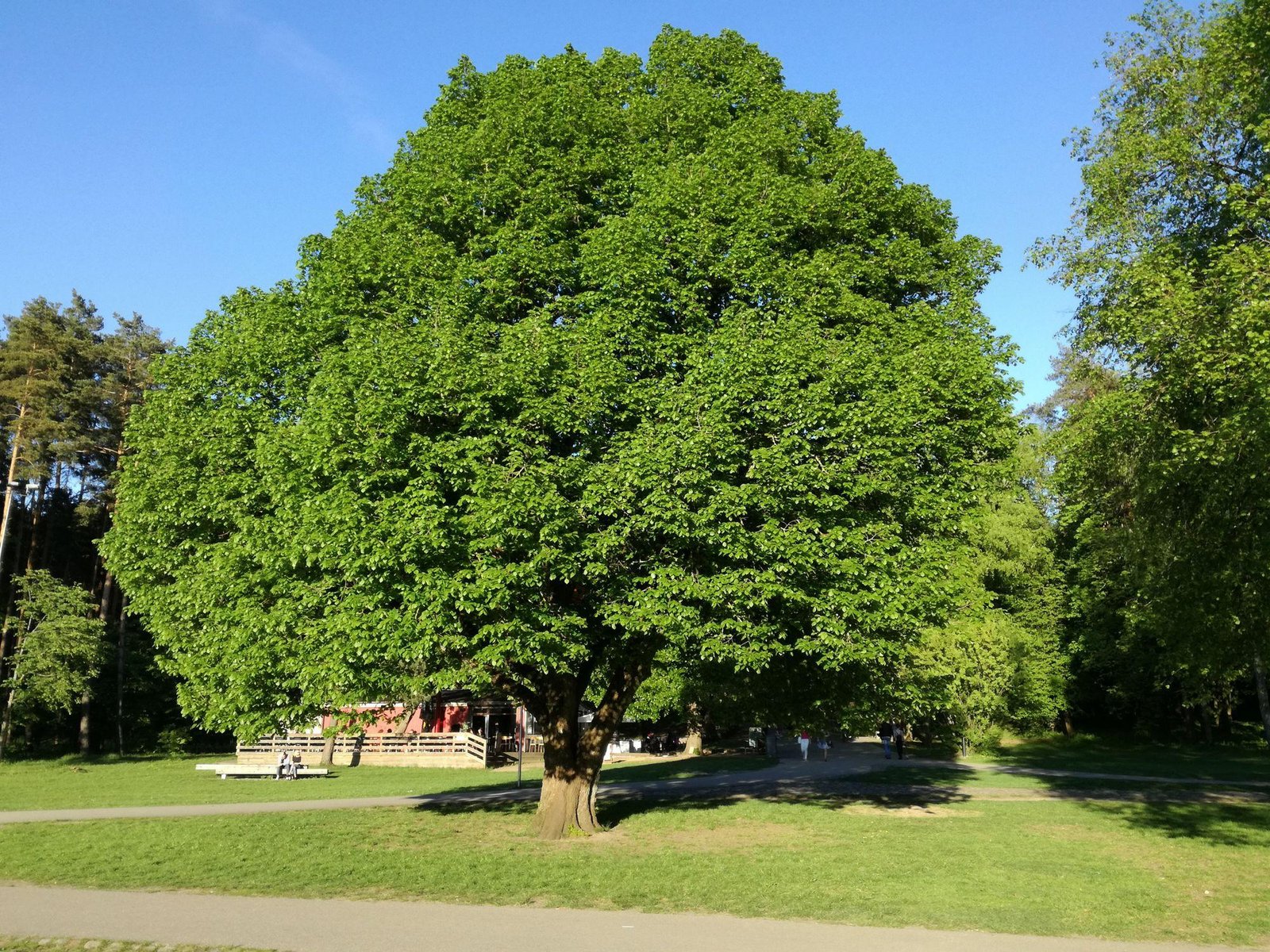
3. Linden (15%)
Linden:
one of the best honey plants in Europe;
improves the soil;
creates a soft microclimate;
supports a huge number of insects.
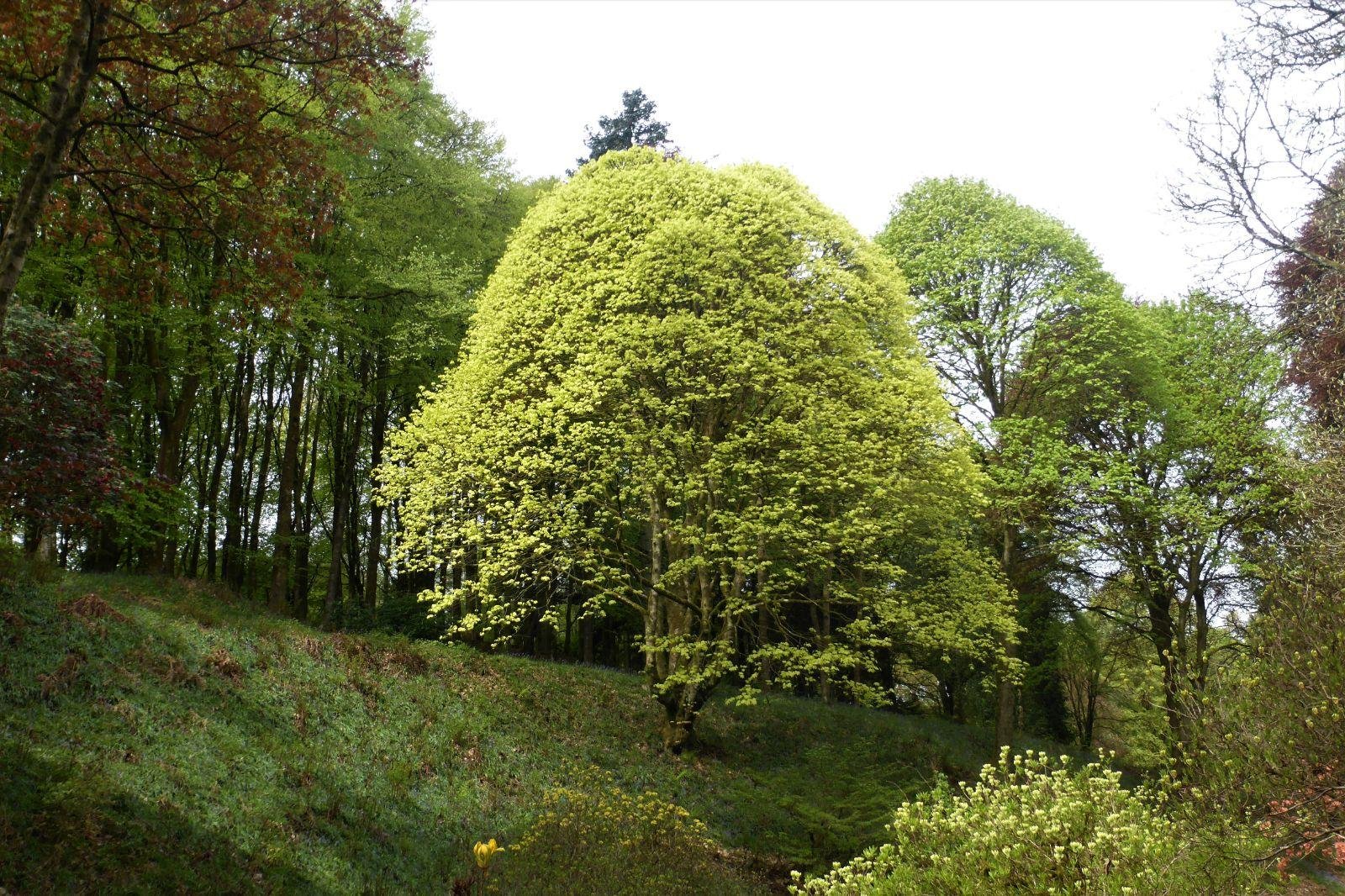
4. Maple (10%)
He:
retains moisture;
quickly forms humus;
supports fungal communities.
Stage 2. Auxiliary trees (20–30%)
Alder - restores poor soils.
Elm - strengthens slopes and ravines.
Birch - quickly closes open spaces in the first decades.
Willow - along rivers, lakes and damp places.
Hornbeam forms the lower tree layer and protects the soil.
Stage 3. Shrubs
Hazelnut
Hawthorn
Viburnum
Elderberry
Rose hip
Honeysuckle
Buckthorn
They provide food for birds and animals and also create a protective layer of forest cover.
Stage 4. Lower tier
Landing:
ferns;
forest flowers;
wild strawberry;
honey plants;
medicinal plants;
mosses and mushrooms.
It is this layer that launches a full-fledged ecosystem.
If you had to choose only one tree
🌳 Oak.
It creates the most durable and resilient forest foundation. No other European tree supports such a wide variety of animal, fungal, lichen, and insect species.
If the goal is to restore the land as quickly as possible
Then the sequence will be as follows:
Birch and alder quickly occupy a site and improve the soil.
Ash, linden and maple make the soil fertile and form a diverse forest.
Oak gradually becomes the main tree determining the structure of the forest for the following centuries.
This approach is closest to how Europe's natural, resilient forests are formed, and combines rapid restoration with long-term stability.