Maximum oak tree table with planting characteristics
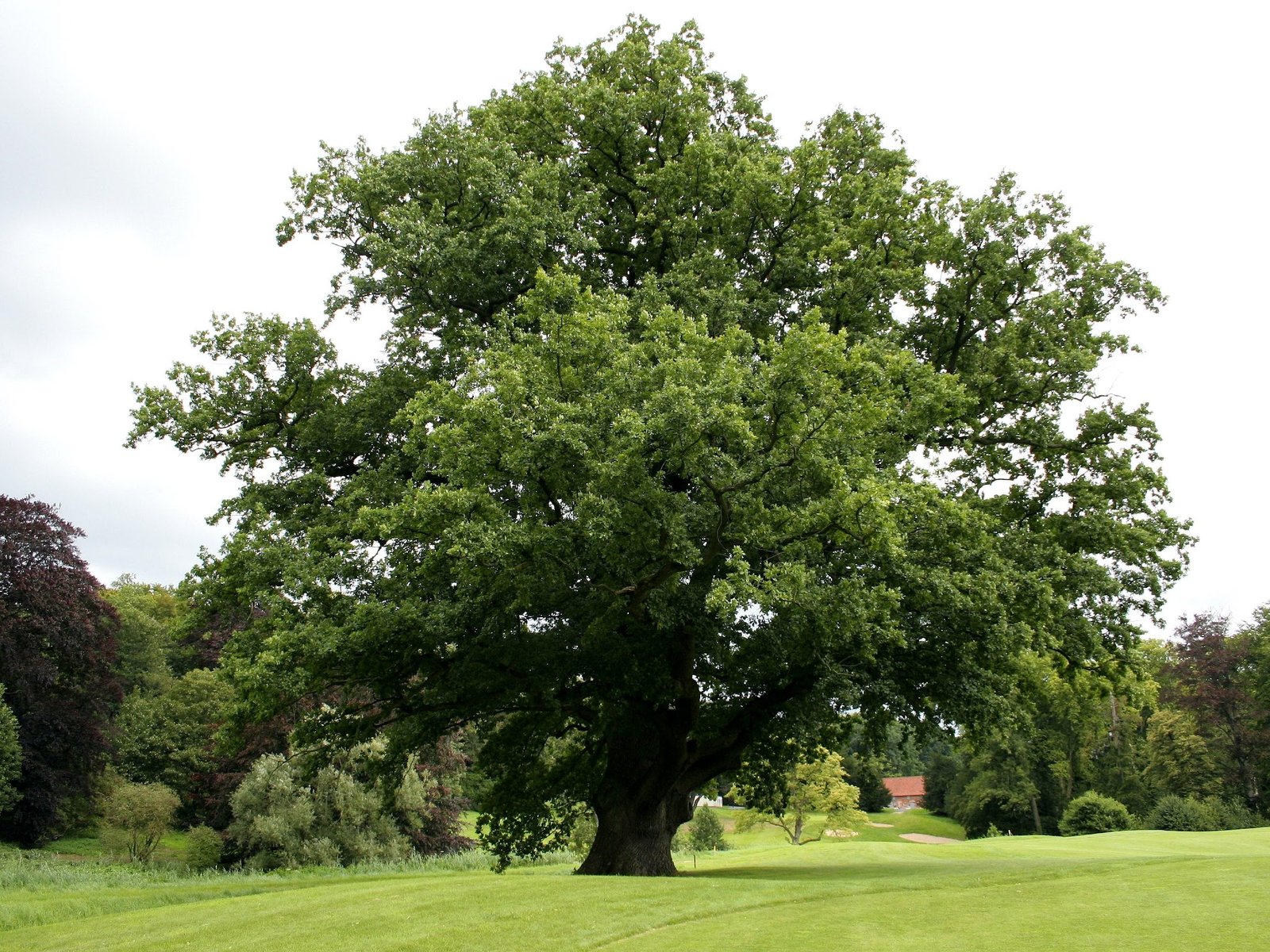
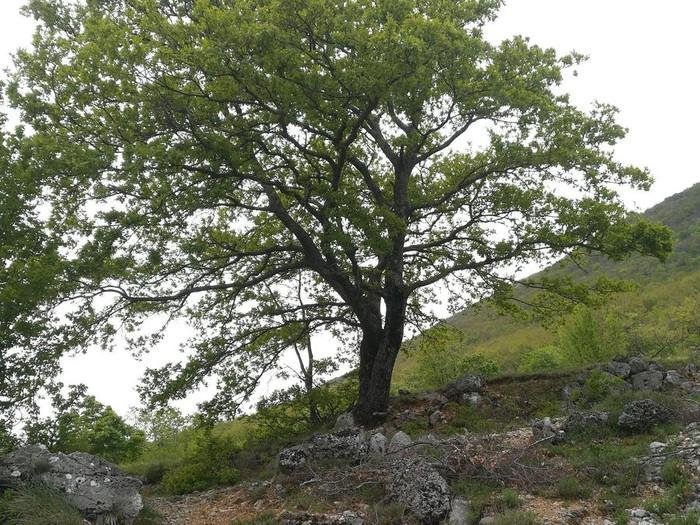
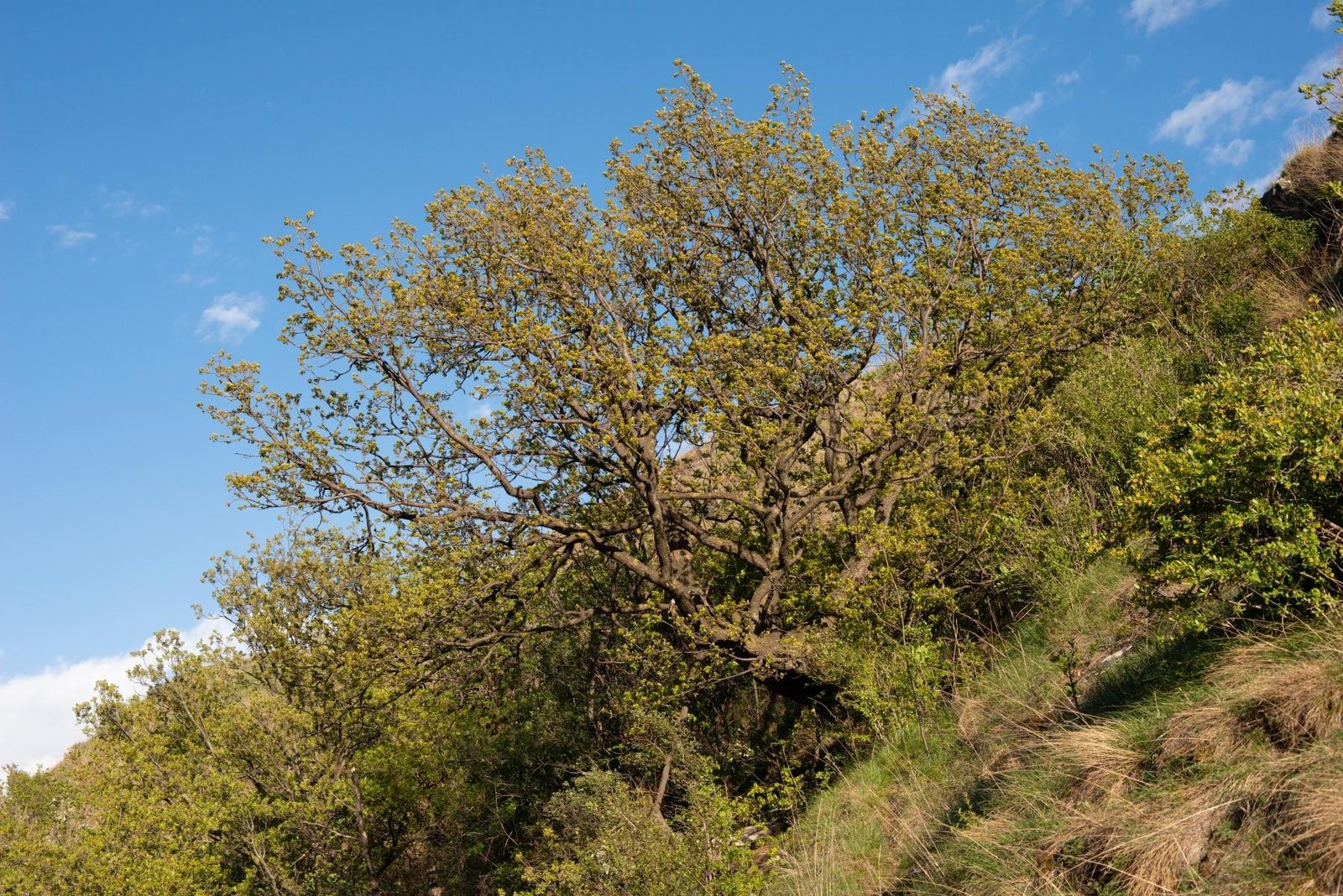
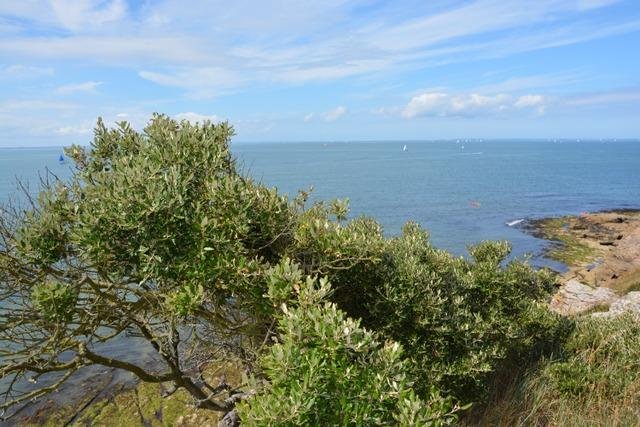
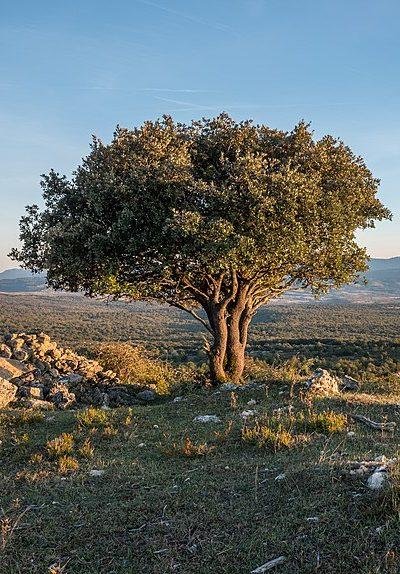
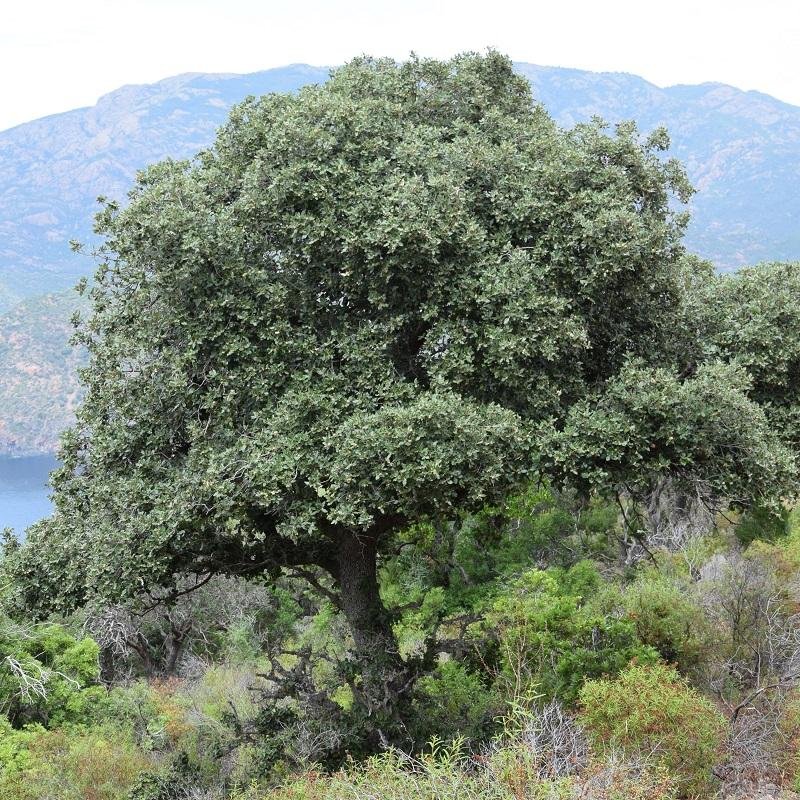
| View | Region of origin | Height | Age | Frost | Drought | Salt | Soil | Roots | Growth rate | Ecological value | Where is it better to use? |
|---|---|---|---|---|---|---|---|---|---|---|---|
| Petiolate (Quercus robur) | Europe | 30–45 m | 800–1200 years | ⭐⭐⭐⭐⭐ | ⭐⭐⭐ | ⭐⭐ | Deep loams, alluvial soils | Very deep | Average | ⭐⭐⭐⭐⭐ | Main forest, parks, valleys |
| Rock (Q. petraea) | Europe | 25–40 m | 700–1000 years | ⭐⭐⭐⭐⭐ | ⭐⭐⭐⭐ | ⭐⭐ | Rocky, dry slopes | Very deep | Average | ⭐⭐⭐⭐⭐ | Slopes, hills |
| Fluffy (Q. pubescens) | Southern Europe | 15–25 m | 400–600 years | ⭐⭐⭐ | ⭐⭐⭐⭐⭐ | ⭐⭐⭐ | Lime, dry | Deep | Average | ⭐⭐⭐⭐ | Arid regions |
| Stone (Q. ilex) | Mediterranean | 15–30 m | 800–1000 years | ⭐⭐ | ⭐⭐⭐⭐⭐ | ⭐⭐⭐⭐⭐ | Poor, sandy | Very powerful | Slow | ⭐⭐⭐⭐ | Coast, maritime climate |
| Cork (Q. suber) | Mediterranean | 15–20 m | 300–500 years | ⭐ | ⭐⭐⭐⭐⭐ | ⭐⭐⭐⭐ | Sour sand | Deep | Average | ⭐⭐⭐⭐ | Southern Europe, cork production |
| Turkish (Q. cerris) | Balkans, Türkiye | 25–35 m | 250–400 years | ⭐⭐⭐ | ⭐⭐⭐⭐ | ⭐⭐ | Different soils | Powerful | Fast | ⭐⭐⭐ | Rapid reforestation |
| Red (Q. rubra) | North America | 25–35 m | 300–400 years | ⭐⭐⭐⭐ | ⭐⭐⭐ | ⭐ | Acidic soils | Deep | Fast | ⭐⭐ in Europe | Parks, timber |
| Marsh (Q. palustris) | North America | 20–30 m | 250–350 years | ⭐⭐⭐⭐ | ⭐ | ⭐ | Wet soils | Average | Fast | ⭐⭐⭐ | Wetlands |
| Brown (Q. macrocarpa) | North America | 25–35 m | 300–500 years | ⭐⭐⭐⭐⭐ | ⭐⭐⭐⭐⭐ | ⭐⭐⭐ | Steppe soils | Very deep | Average | ⭐⭐⭐⭐ | Continental climate |
| White oak (Q. alba) | North America | 25–35 m | 500–700 years | ⭐⭐⭐⭐ | ⭐⭐⭐⭐ | ⭐⭐ | Well drained | Very deep | Average | ⭐⭐⭐⭐ | Forests and parks |
Recommended use
| Task | The best views |
|---|---|
| Maximum biodiversity | Petiolate, Rocky |
| Forest for 1000 years | Petiolate |
| Arid regions | Fluffy, Stone, Brown |
| Sea coast | Stone, Cork |
| Rapid forest restoration | Turkish |
| Wet lowlands | Petiolate, Marsh |
| Mountains | Rocky |
| Calcareous soils | Fluffy, Rocky |
| Acidic soils | Cork, Red |
| Urban plantings | Red, Turkish |
If we design the "ideal forest of the future"
I would form the core like this:
| View | Fate |
|---|---|
| Pedunculate oak | 35% |
| Sessile oak | 20% |
| Downy oak | 10% (in dry areas) |
| Holm oak | 5% (in the warmest regions) |
| The rest of the oaks | 5% to increase genetic diversity |
| Other species (ash, linden, maple, elm, hornbeam, etc.) | 25% |
This forest combines high biodiversity, resilience to climate change and a long life cycle.
For the DREVO project, we can go even further and developAtlas of the World's Oaks— a catalog of 100–150 species with data on frost hardiness, drought tolerance, salinity tolerance, growth rates, soil types, ecological role, compatibility with other trees, potential range under climate change, and recommendations for use in different natural zones. This could become a practical reference for long-term reforestation programs.
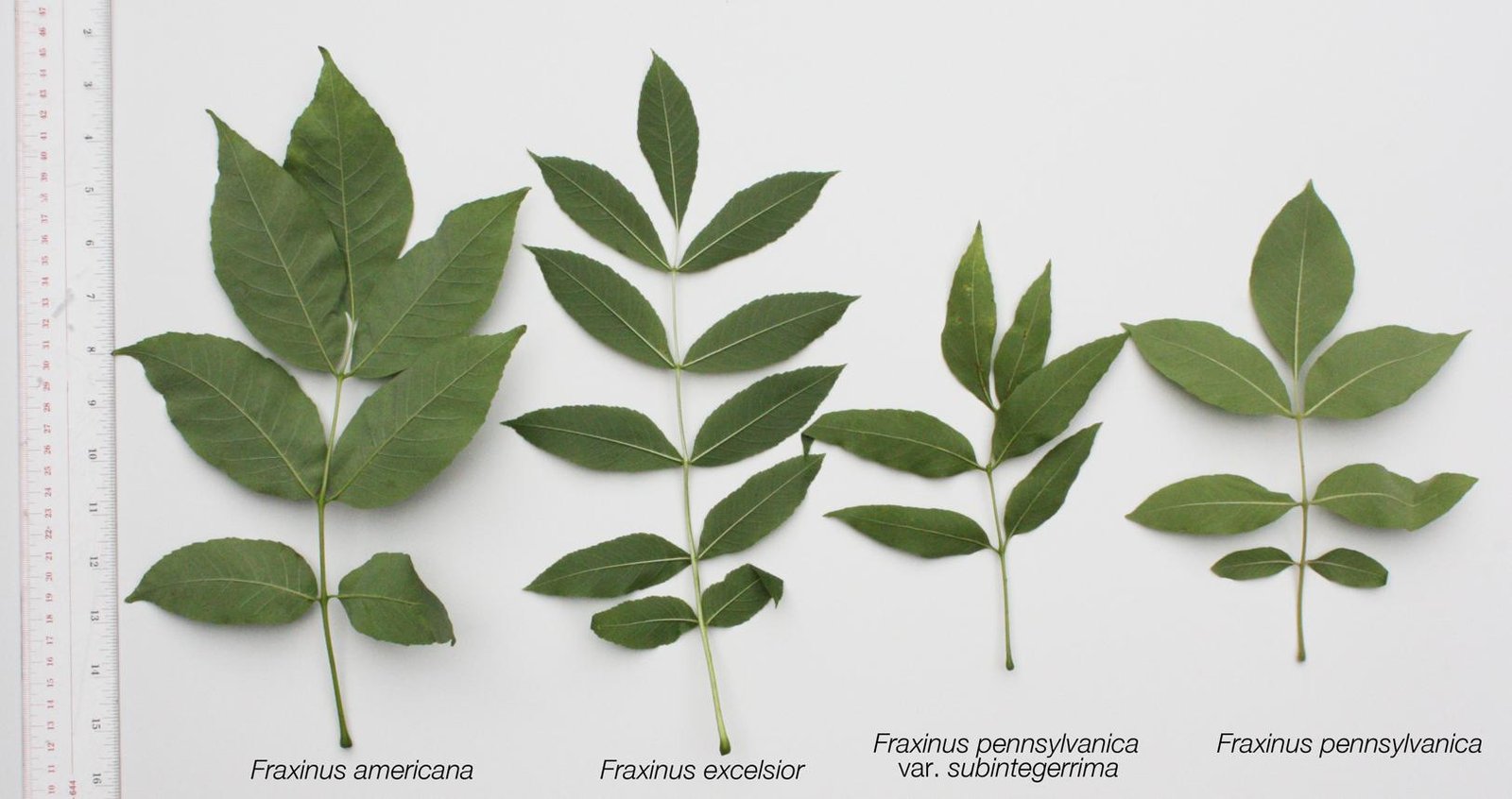
Ash is a genusFraxinusolive family. Depending on the accepted classification, it includes approximately45–65 species, distributed mainly in the temperate and subtropical regions of Europe, Asia, and North America. Most ash trees are deciduous, usually with opposite branches, compound odd-pinnate leaves, and winged fruits. (Plants of the World Online)