The main source of water is fog from the ocean
Ocean fog as a hidden corridor rain: cold current, night humidity, wind and extremely resistant plants.
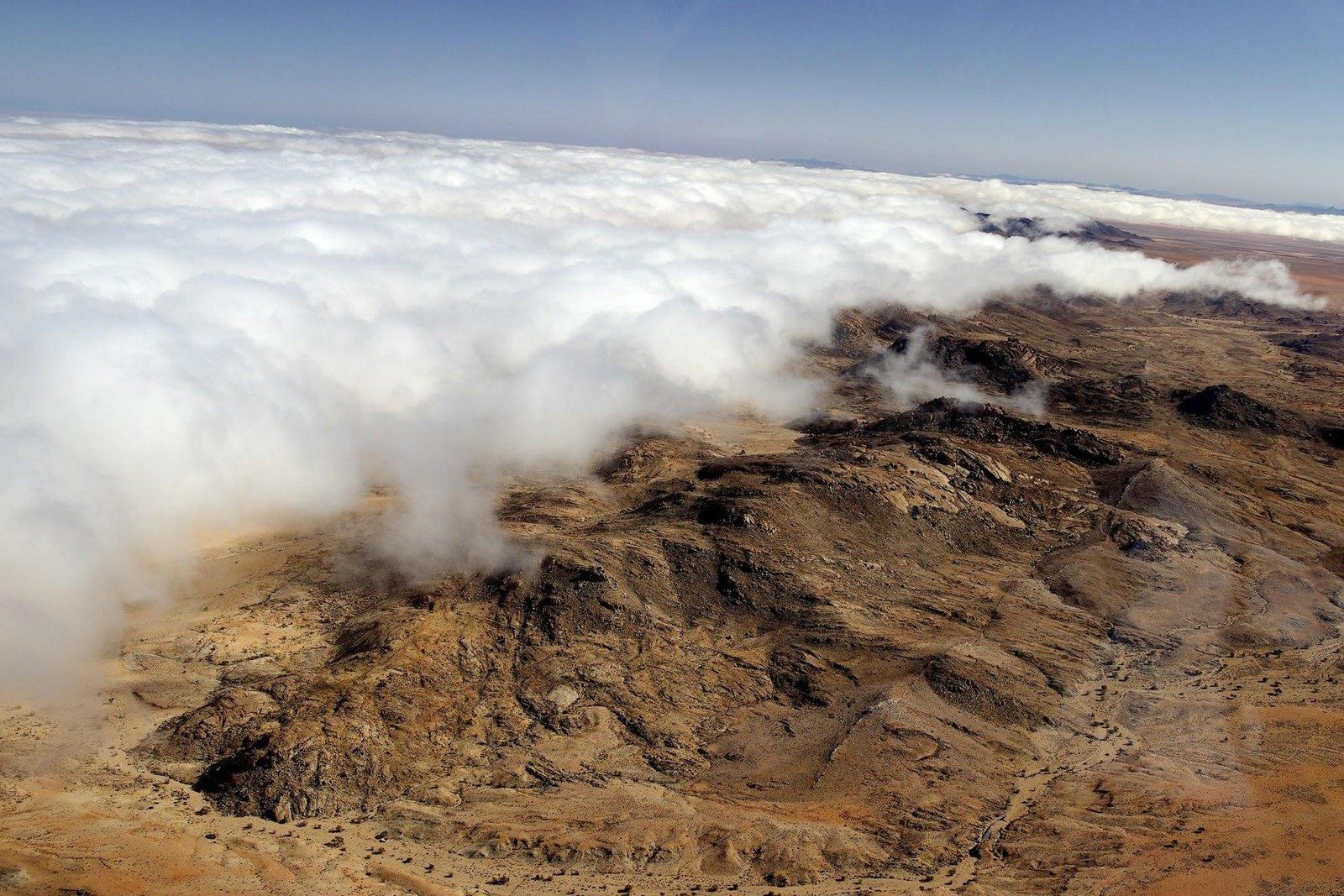
Fog is the main hidden resource
On the Atlantic coast, water arrives in more than just rain. Cold currents cool the moist ocean air, forming fog over the sea, and onshore winds carry this moisture ashore. At night, relative humidity increases, and any cold or rough surfaces begin to collect droplets.
For DREVO, this means treating fog as an engineering resource. The project's first line shouldn't simply "stand by the ocean," but rather function as a moisture-retention system: nets, windbreaks, tamarisk, rock lines, biocrust, and sealed soil all reinforce each other.
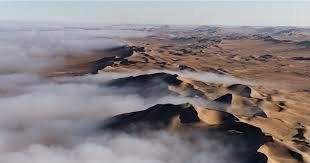
Ocean fog is the hidden rain of the coastal zone.
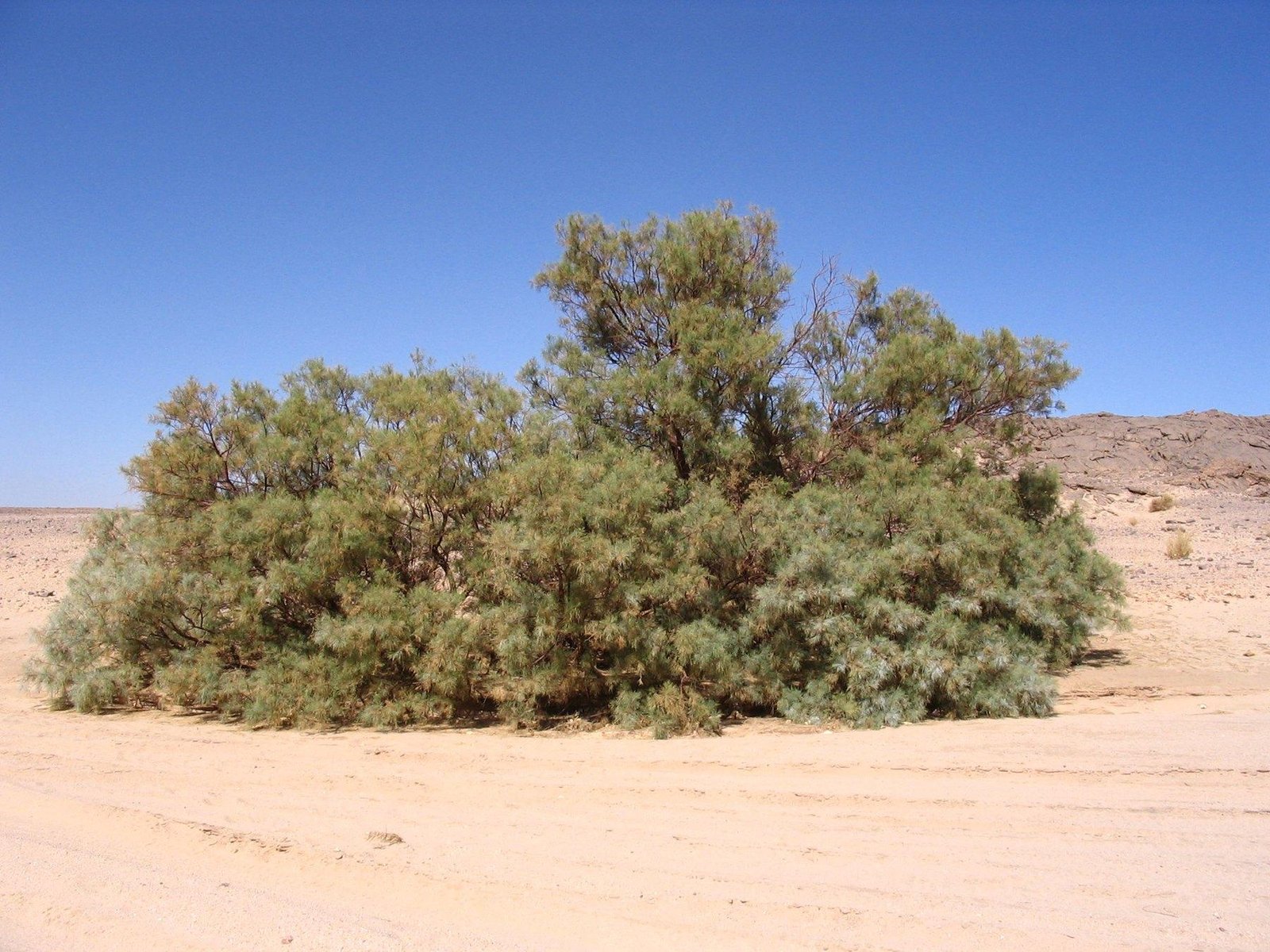
Tamarisk tolerates salt and wind and helps form the first line of defense.
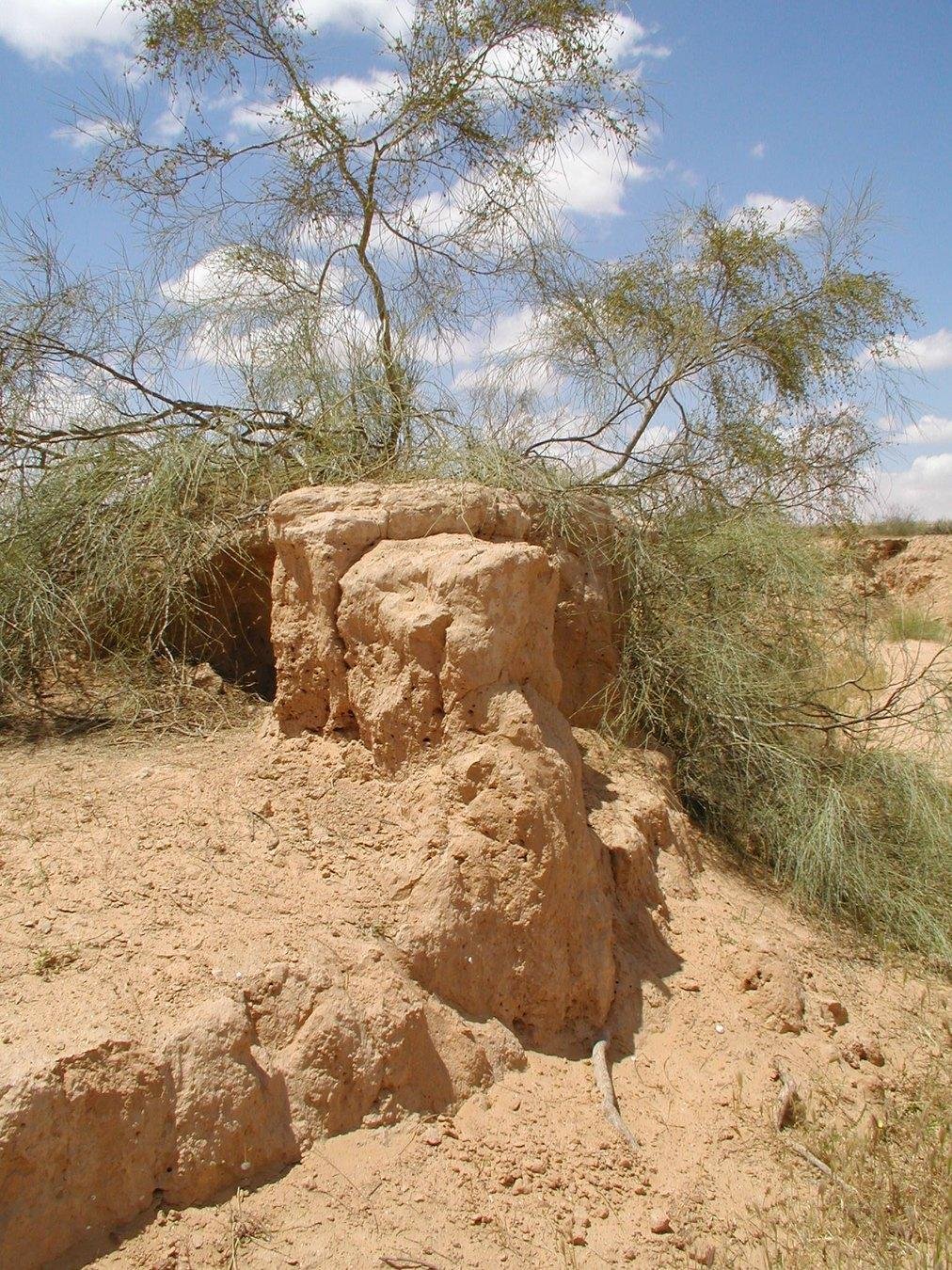
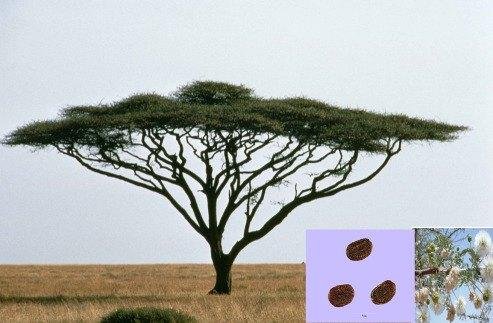
Acacia connects deep moisture and creates shade in the interior zone.
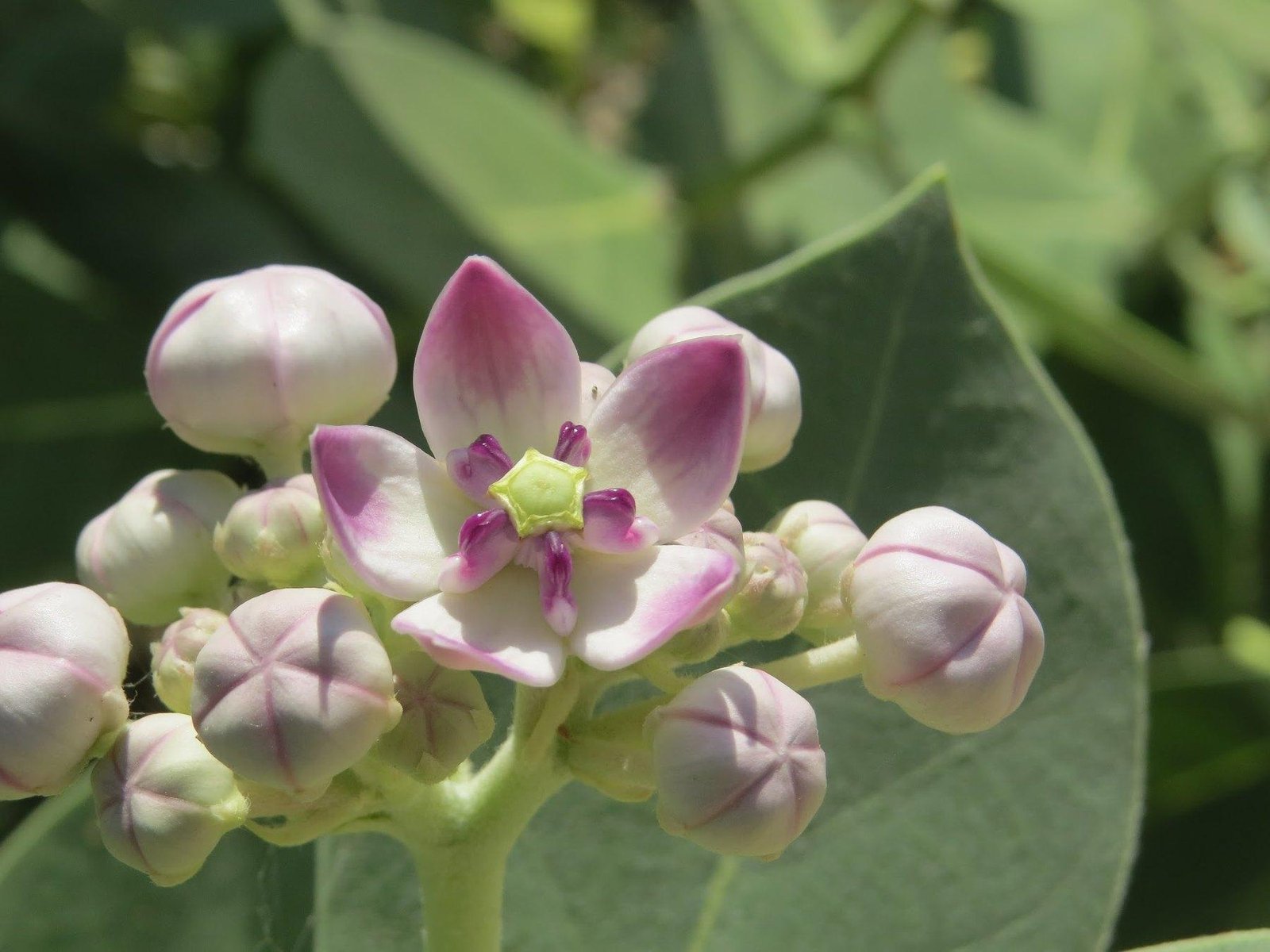
Calotropis retains water in its thick, waxy leaves and seals the soil.
Why fog?
In the coastal desert, rainfall is erratic, and water delivery is too expensive for a large-scale corridor. Fog and nighttime humidity, on the other hand, are more frequent and can act as a small but constant source. While it doesn't replace initial irrigation, it reduces plant stress and helps the system reach self-sustaining levels more quickly.
| Factor | What's happening | Meaning for DREVO |
|---|---|---|
| Cold current | cools the moist air over the Atlantic | creates conditions for the formation of fog |
| Coastal wind | transfers fog and moisture to land | brings moisture to the first line of the corridor |
| Night humidity | the surfaces cool and collect dew | provides regular micro-intakes of water |
| Rough surfaces | nets, branches, stones and biocrust trap drops | convert moist air into available moisture |
Plants that actually survive
The first line of planting should be based on species already adapted to salt, wind, poor soil, and freshwater shortages. In this zone, it's not advisable to start with ornamental or common garden trees, as they will quickly lose their leaves and root activity.
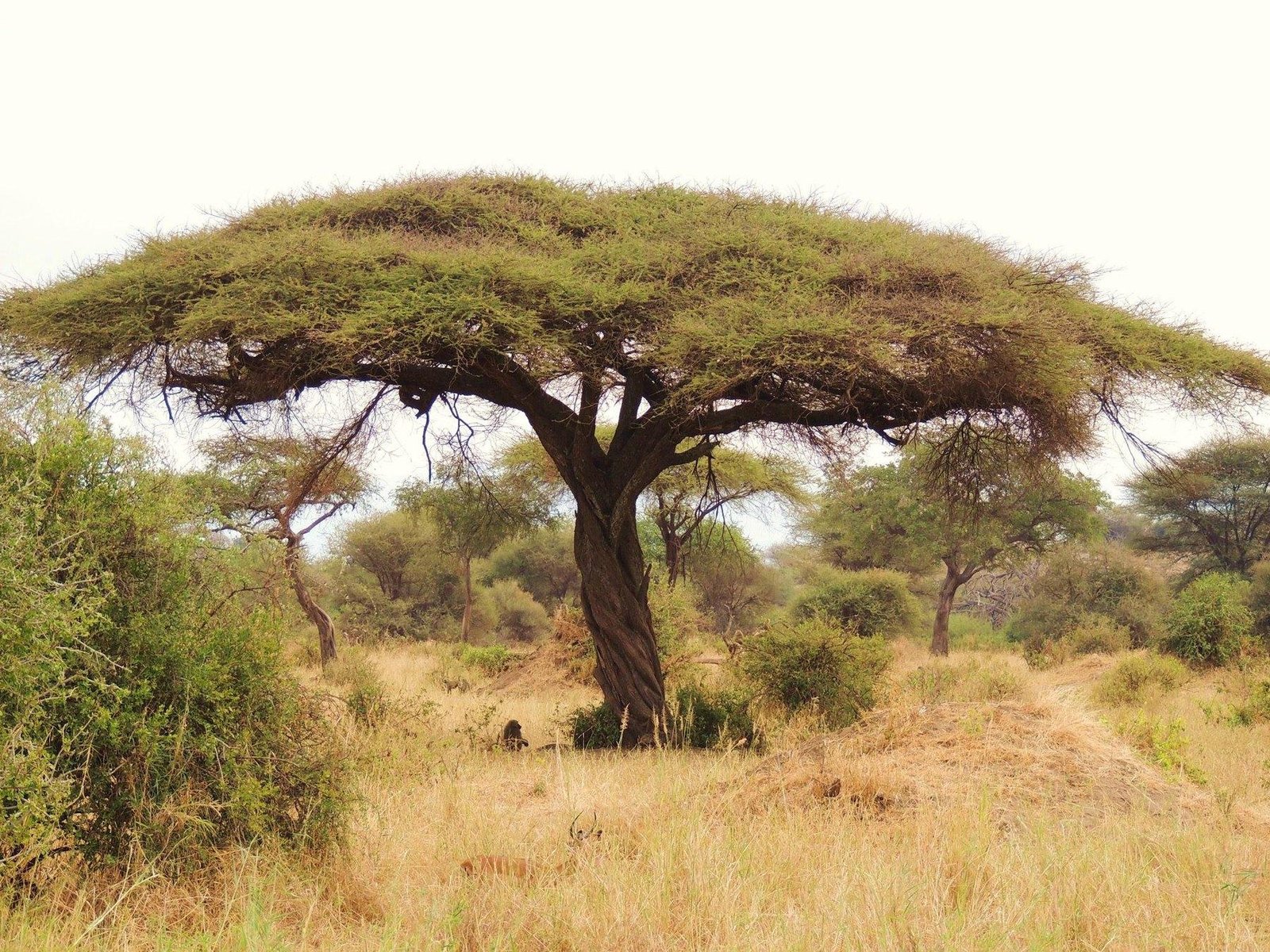
Acacia works in the interior line: deep roots, shade and soil stabilization.
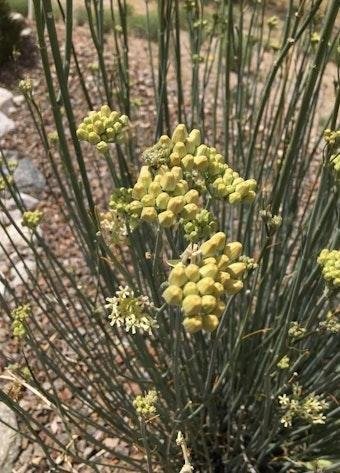
Ephedra saves water by almost completely eliminating leaf mass.
Atmospheric moisture only becomes useful when there are surfaces for condensation.
| Plant | Adaptation | Role in the system |
|---|---|---|
| TamariskTamarix aphylla | tolerates salty soil, wind and drought; can use dew and moist air | first line, windbreak, dew collection, sand stabilization |
| Umbrella acaciaAcacia tortilis | sparse leaves, deep roots, water conservation | interior zone, shade, nitrogen support and stabilization |
| Calotropis Calotropis procera | thick leaves with a waxy layer, high drought resistance | local dew collection, soil protection, first-stage undergrowth |
| EphedraEphedra alata | minimum of leaves, moisture conservation by stems | dry areas, microrelief, filling gaps |
| Lichens and mosses | absorb moisture directly from the air and react quickly to fog | biocrust, water retention, soil life initiation |
How it actually works
Fog alone doesn't create a green corridor. It only becomes a resource when the project provides it with surfaces for precipitation and soil where droplets can linger. Therefore, the first phase must combine natural and engineered elements.
| Windbreak Tamarisk, acacia, nets and shrubs reduce wind speed and protect interior plantings. | Condensation Branches, leaves, stones and nets turn moist air into droplets. | Retention Stones, mulch, bio-crust and shade prevent moisture from evaporating immediately. |
|---|
The system should be designed as a “hidden rain”: collect moisture, slow down the wind, bring the drops to the soil and retain them in the root zone.
The harsh truth
Ordinary trees won't survive here without preparation. Even Mediterranean species require protection, initial watering, and improved soil. The biggest mistake is thinking that fog alone will solve the water issue. In reality, it only works within a system: windbreaks, condensation surfaces, soil cover, rocks, mulch, and gradual selection of species.
The section's powerful idea: plants in a coastal desert don't just grow. With the right architecture, they help create water from the air by cooling the surface, collecting droplets, and slowing the wind.