5 Zones for the Coastal Desert
The five-zone scheme helps avoid mixing different objectives into a single planting. From the ocean inward, the salt, wind, humidity, soil, and acceptable planting conditions change.
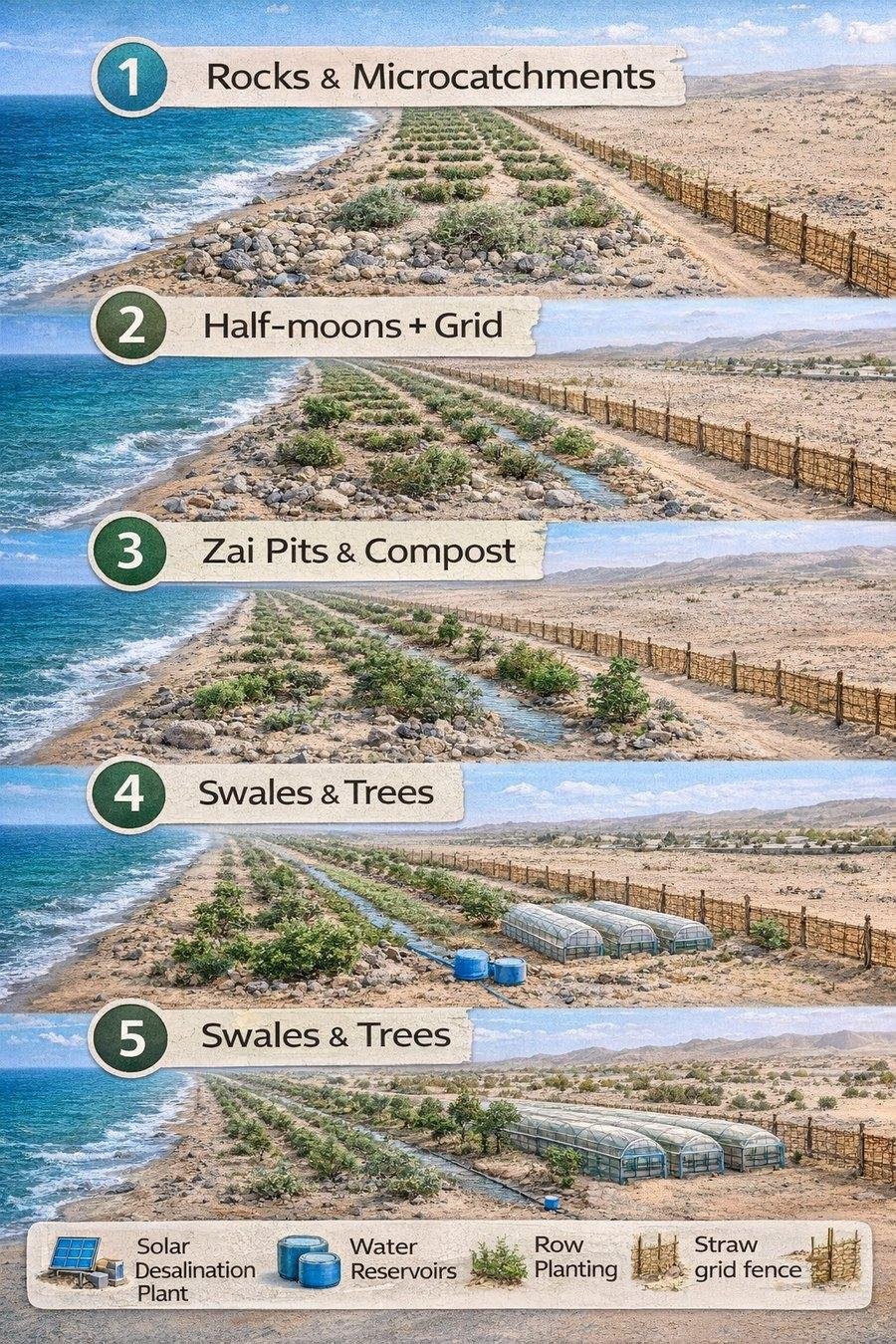
Coastal Desert Standard
Zones are needed so that the project is not compressed into one landing
The coastal desert changes rapidly: the first tens of meters receive a direct salt attack, then the aerosol decreases, the opportunity arises to stabilize the sand, then form the soil, and only then introduce productive plantings.
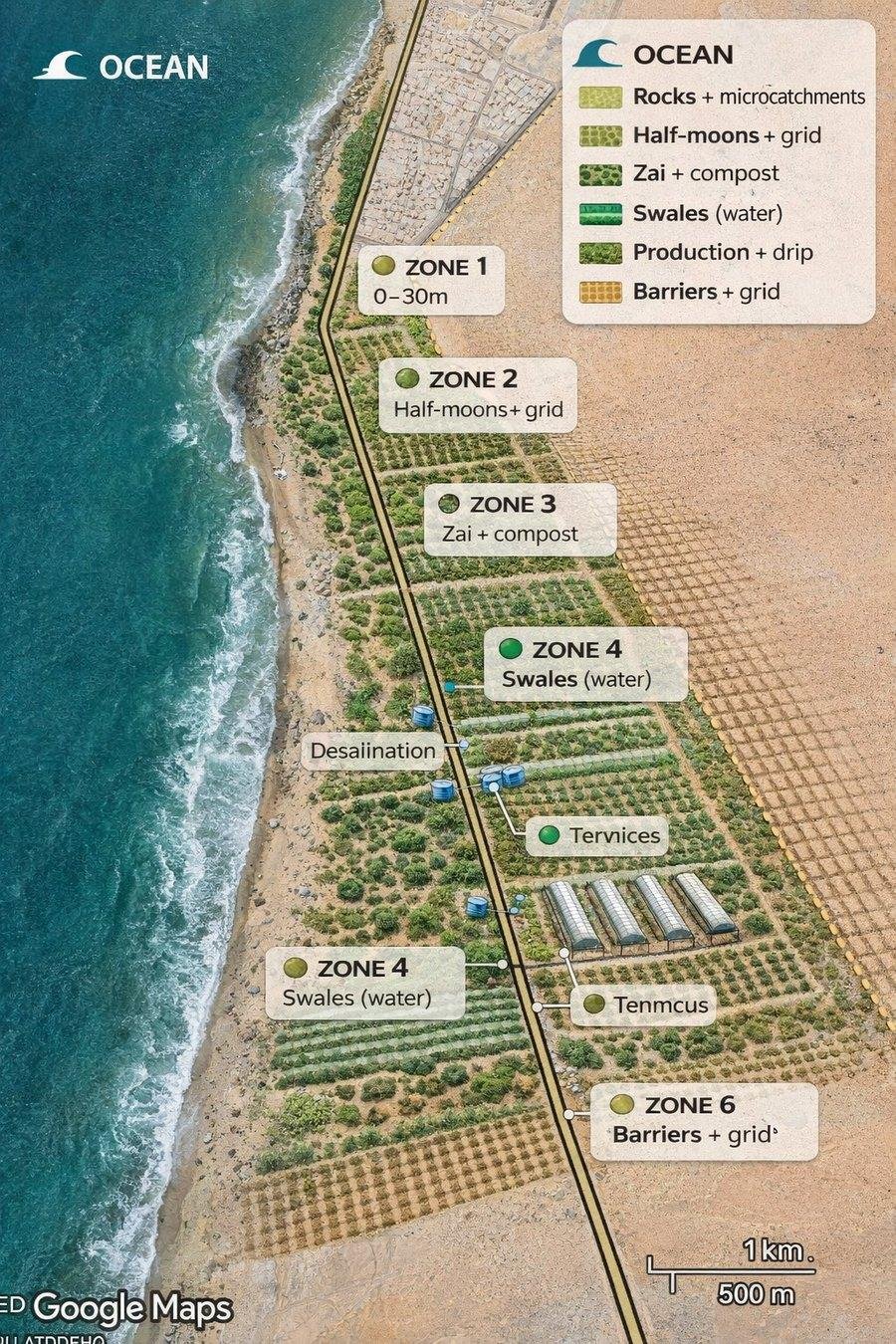
The plan shows how the zones read from the oceanic stress zone to the internal productive zone.
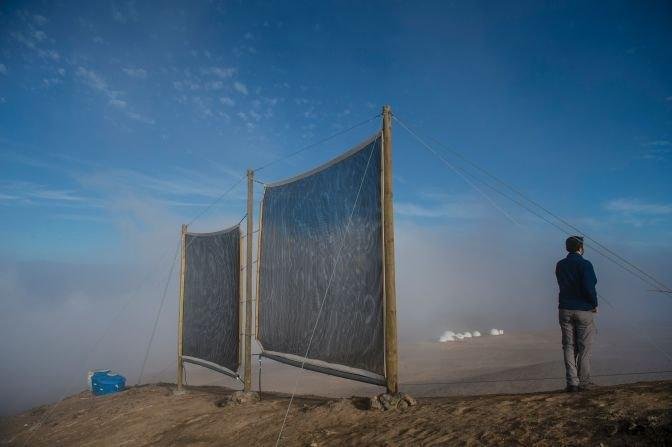
Fog nets and wind barriers operate in the first protective zones.
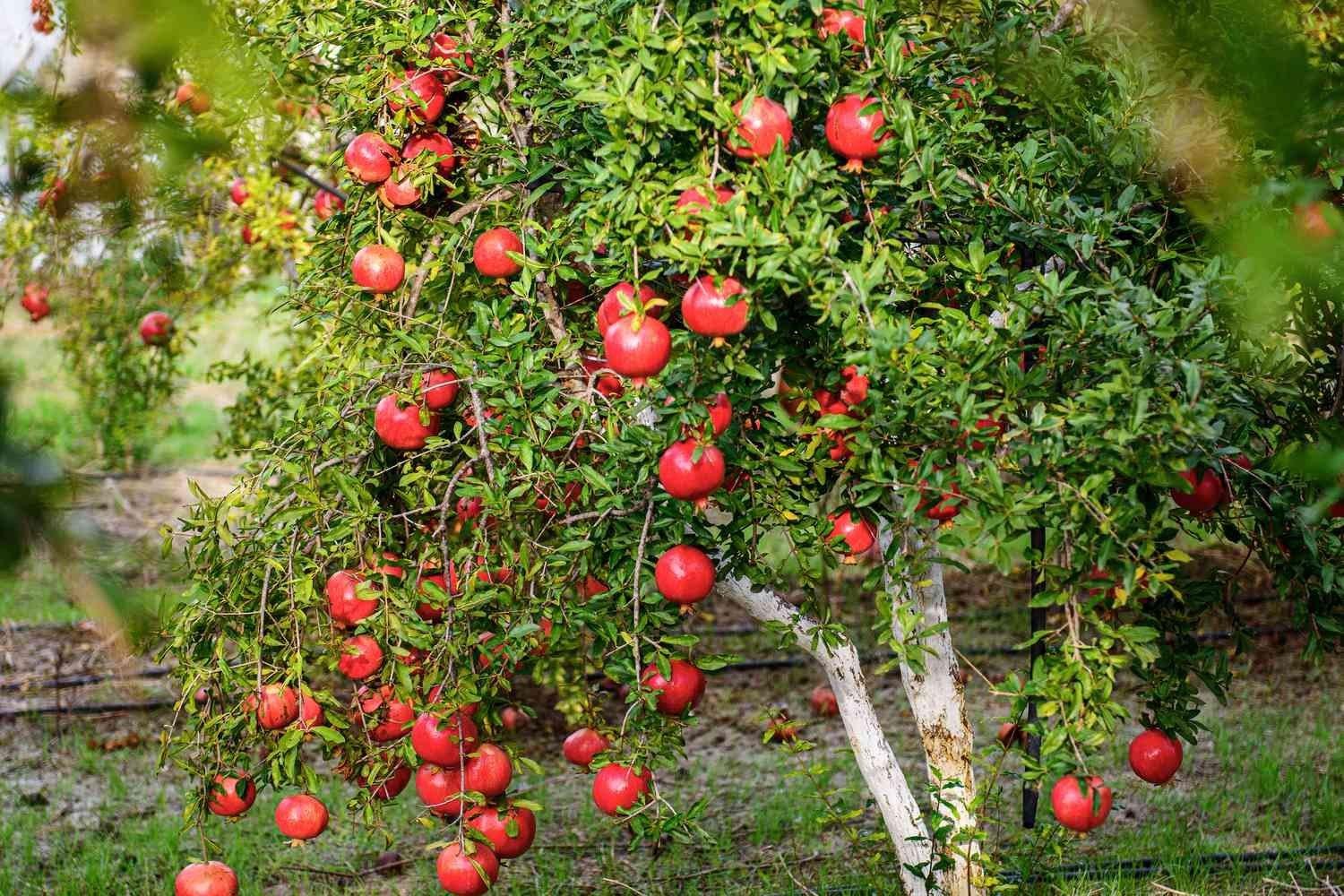
Fruit crops are planted deeper, where wind and salt are already weakened.
Five zones in one table
| Zone | Distance | Salt | The main task | Type of solutions |
|---|---|---|---|---|
| Zone 1 | 0-30 m | extreme | survival | halophytes, primary protection, sand protection |
| Zone 2 | 30-100 m | high | consolidation | salt-tolerant shrubs, nets, microrelief |
| Zone 3 | 100-300 m | average | soil | biocrust, compost, herbs, first sustainable trees |
| Zone 4 | 300-800 m | weak | production | forage grasses, some fruit crops, controlled water |
| Zone 5 | 800 m+ | minimal | now | fruit, berries, intensive plantings |
Zone 1: Extreme Line
The first 0-30 meters from the ocean experience direct salty winds, spray, and maximum load. Fruit or sensitive crops should not be planted here. The purpose of this zone is to absorb the impact and prevent the system from collapsing at the very beginning.
only halophytes and barrier species;
sand fixation and surface protection;
minimum expectations for productivity;
The main function is survival and salt interception.
Zone 2: High Salt Load
In the 30-100 m range, salt stress is still high, but it's already possible to begin building a cover. This is where the first stable vegetation, shaped blocks, nets, microrelief, and simple barriers come into play.
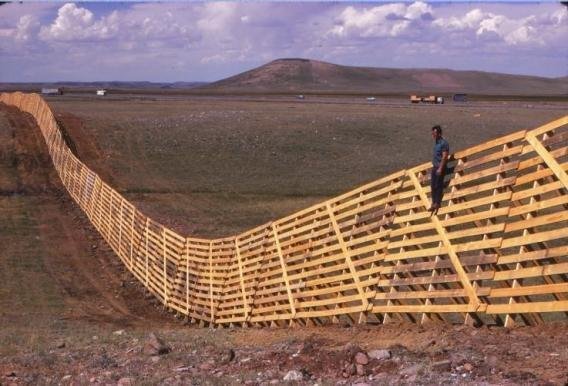
Filter barriers reduce wind speed and the transfer of salt aerosols.
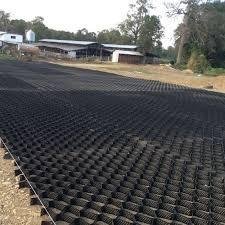
Shaped blocks help retain sand in high load areas.
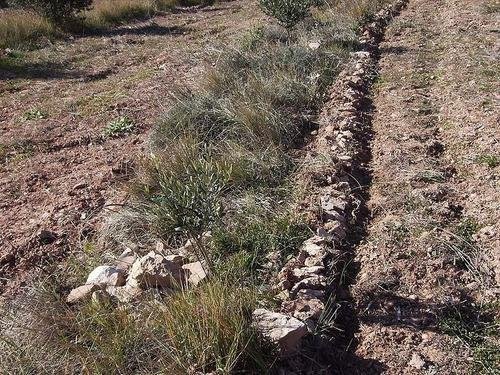
Stone lines create the first moisture pockets and trap soil particles.
Zone 3: transition to soil formation
Salt is noticeable at a distance of 100-300 meters, but it's no longer an absolute no-no. The main goal is to begin forming the soil: biocrust, organic matter, compost, a grass layer, and stable shrubs create the foundation for the following zones.
Zone 4: Protected production area
In the 300-800 m range, the impact of salt is weaker. Here, forage grasses, some fruit crops, water elements, compost cycles, and denser vegetation can be introduced. This is not a garden zone in the true sense, but rather a working production area.
| Direction | What to post |
|---|---|
| Feed | resistant grasses, forage mixtures, seasonal plantings |
| Soil | compost, mulch, seaweed, biocrust |
| Water | dumps, drip irrigation, storage tanks, salt control |
| Fruit | resistant species and trial groups under protection |
Zone 5: Inner Garden Zone
After 800 meters, the impact of salt becomes minimal, provided there's adequate water and protection from the wind. Fruit trees, berries, and more intensive plantings can be planted here. However, even this zone should remain part of the overall system, not a separate, unprotected garden.
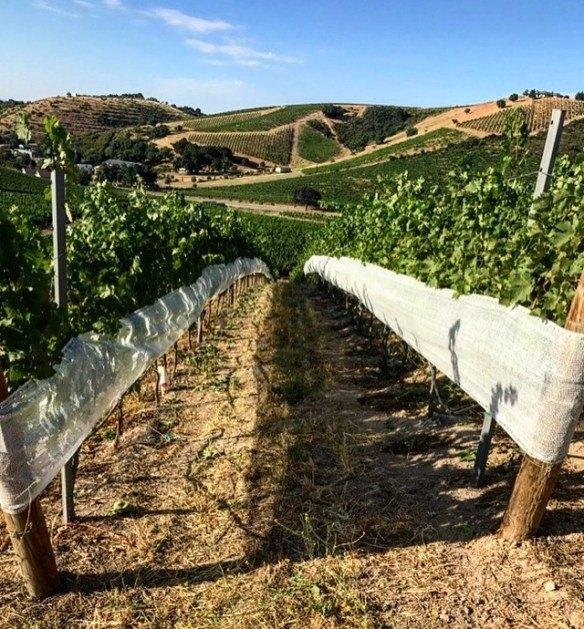
Grapes and semi-shaded crops require an already formed microclimate.
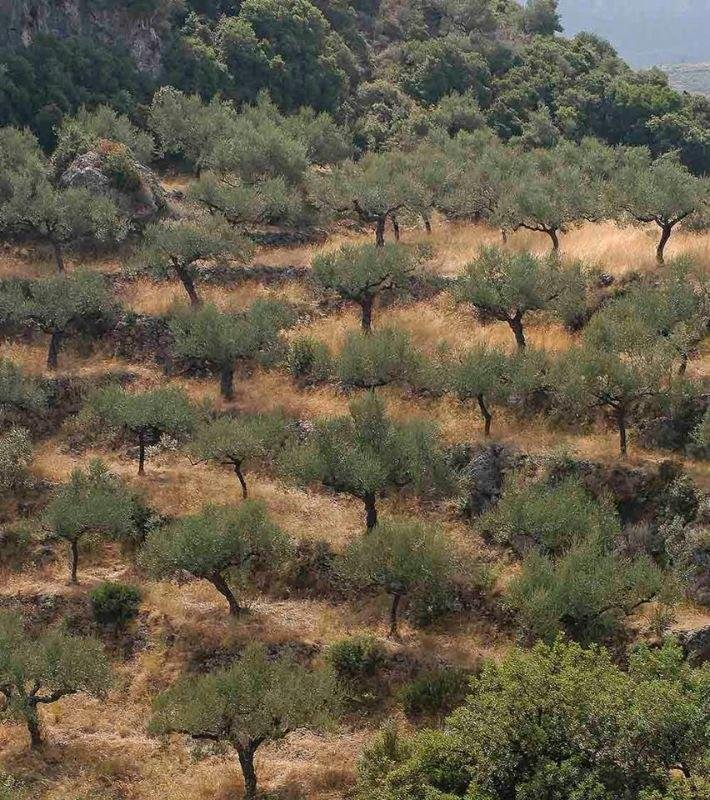
Olive is suitable for more sheltered areas where salinity and water levels are controlled.
How to apply on a 3-5 km pilot
If the pilot plant is 3-5 km long and up to 800-1000 m deep, it can become a full-fledged ecosystem corridor. This is no longer a single planting, but a repeatable system of transitions: from salt shock to soil, water, and productivity.
| Parameter | Practical meaning |
|---|---|
| Length 3-5 km | allows you to check the repeatability of modules along the coast |
| Depth 800-1000 m | covers the path from the extreme zone to the internal productive zone |
| Five zones | provide a clear structure for management, monitoring and budgeting |
| Gradient | shows where protection is more important than harvest, and where productivity is already possible |
The main conclusion
The five-zone coastal ecosystem restoration system sounds simple, but it protects the project from a key mistake: trying to plant everything in one place with the same expectations.
In DREVO, it’s not just the distance that matters, but the transition between zones.