Maximum table of beneficial algae
Seaweed is one of the most accessible coastal bioresources. In the DREVO project, it can serve as a source of micronutrients, nitrogen, organic matter, mulch, and liquid fertilizer. The key principle is to use the ocean as a resource for soil restoration, while controlling salt levels and the harvesting site.
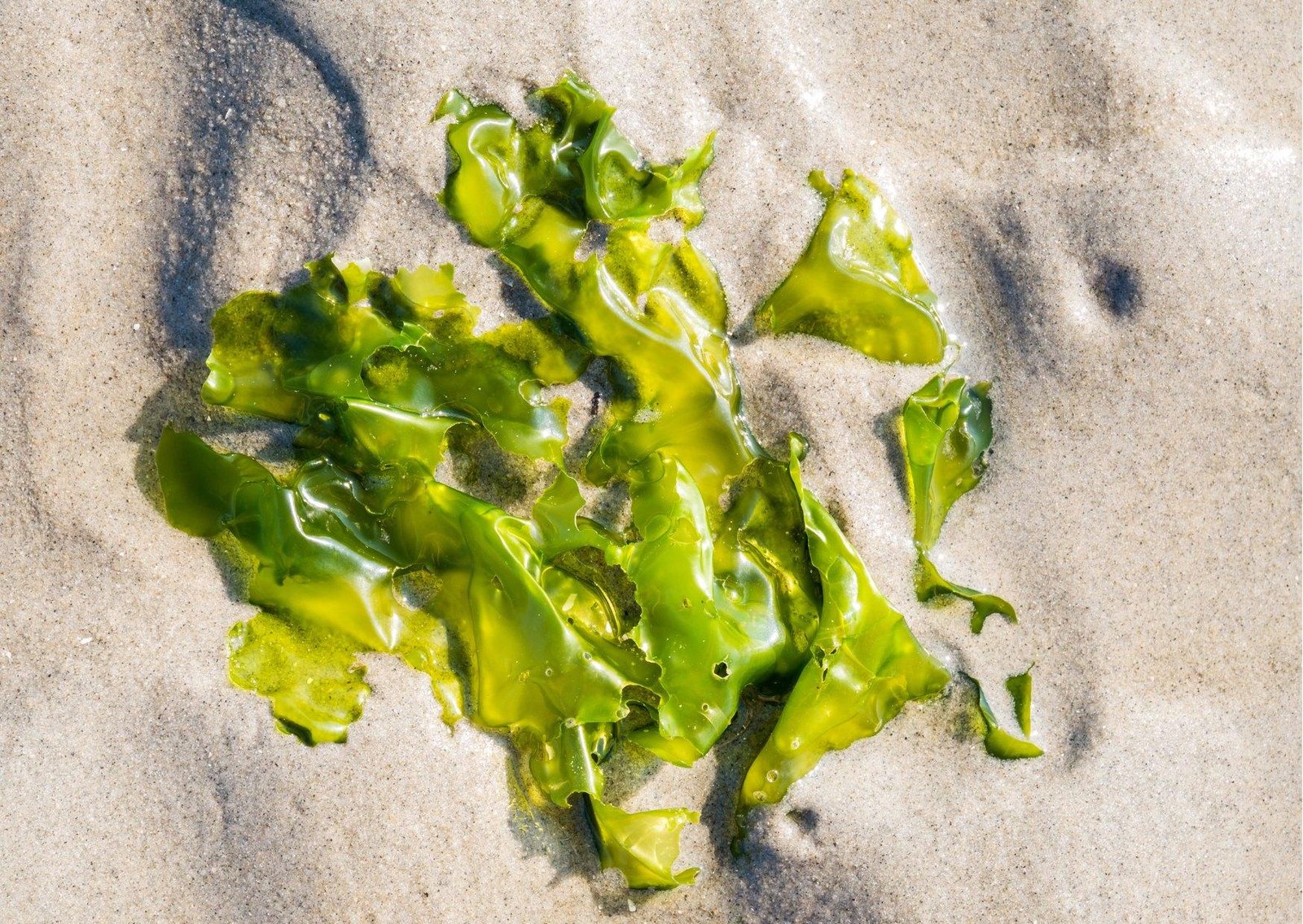
Coast of Western Sahara
Why does the green corridor need algae?
Algae don't replace compost, soil, and topsoil, but they greatly enhance them. They provide micronutrients, accelerate microbial growth, improve plant nutrition, and help form an organic layer where conventional biomass is scarce.
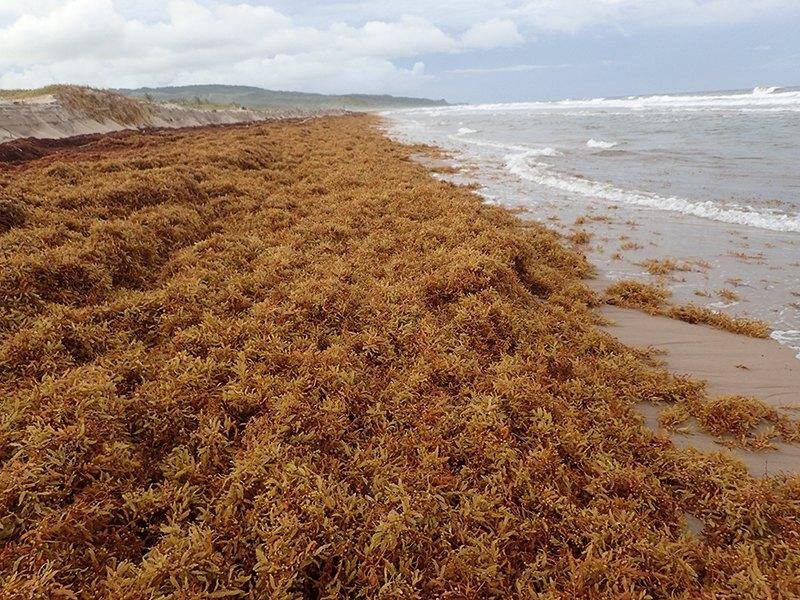
Brown algae are rich in minerals and can be used as a compost additive.
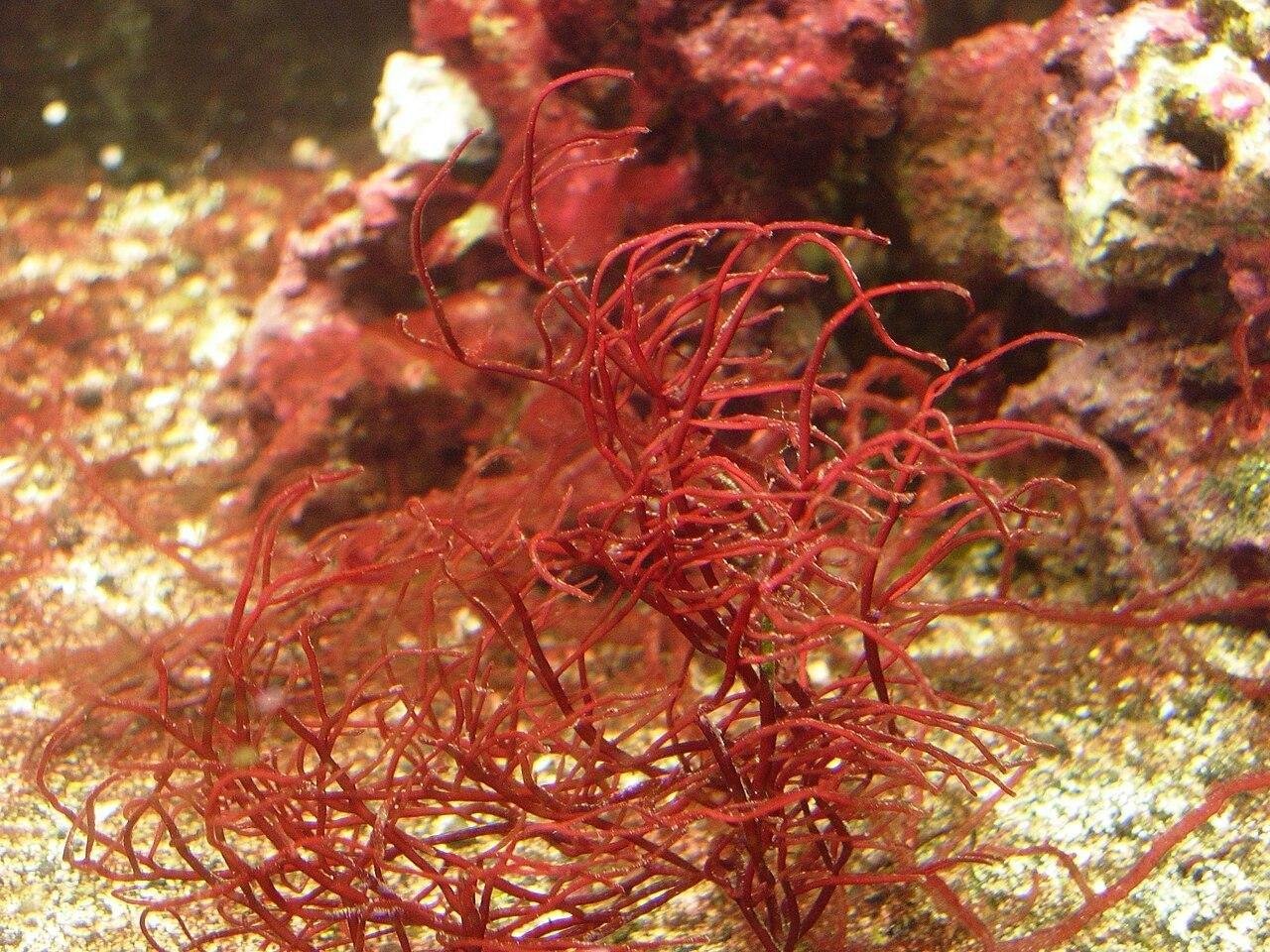
Red algae are suitable for aquaculture, agar fraction and organic matter.
Base: easy to assemble and use
| View | Latin name | Type | Where | Role |
|---|---|---|---|---|
| Seafood salad | Ulva lettuce | green | shore | compost + food use |
| Sargassum | Sargassum spp. | brown | ocean / emissions | fertilizer and minerals |
| Gracilaria | Gracilaria spp. | red | shallow | agar + soil |
| Slope | Padina peacock | brown | shore | mineral supplement |
| Enteromorpha | Intestinal Ulva | green | shore | fast growth and compost |
Strong species for fertilization
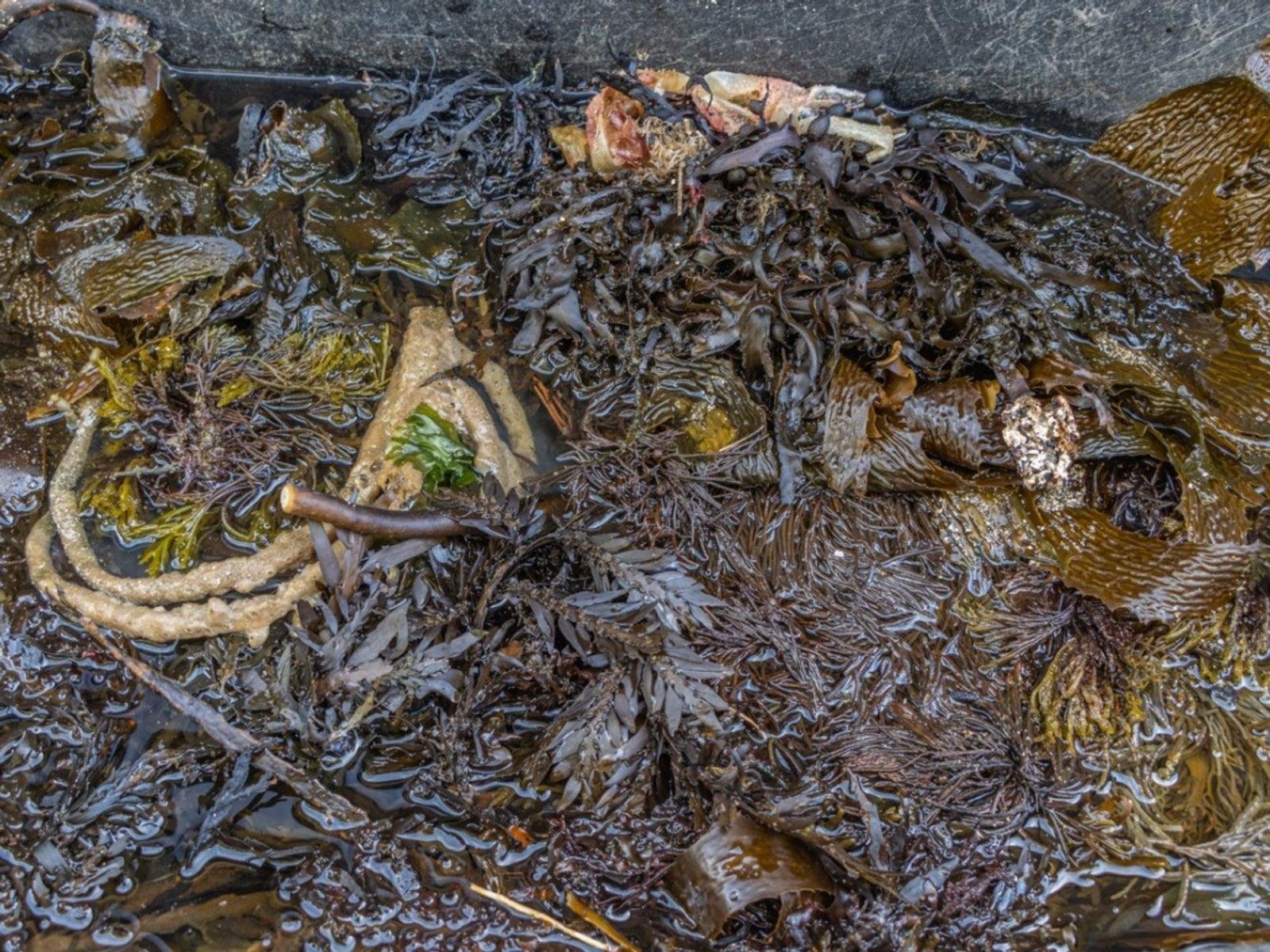
Fucus and Ascophyllum are valuable as a source of microelements and growth stimulants.
| View | Latin name | Type | Role |
|---|---|---|---|
| Kelp | Laminaria spp. | brown | strong fertilizer |
| Ascophyllum | Ascophyllum nodosum | brown | growth stimulator |
| Seaweed | Fucus spp. | brown | minerals |
| Turbinaria | Turbinaria spp. | brown | resistant species for compost |
This group is particularly useful as a mineral supplement, but it should not be added indiscriminately due to the salt and high concentration of substances.
For cultivation and aquaculture
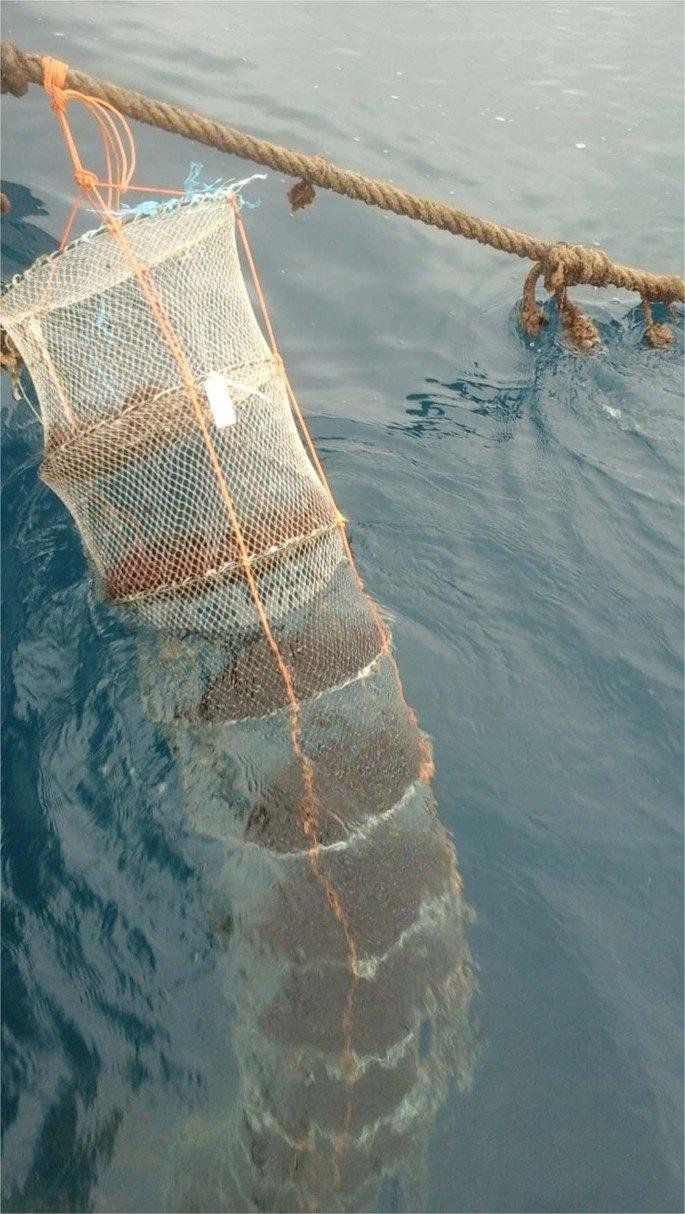
Aquaculture allows for controlled biomass production without putting pressure on the natural shore.
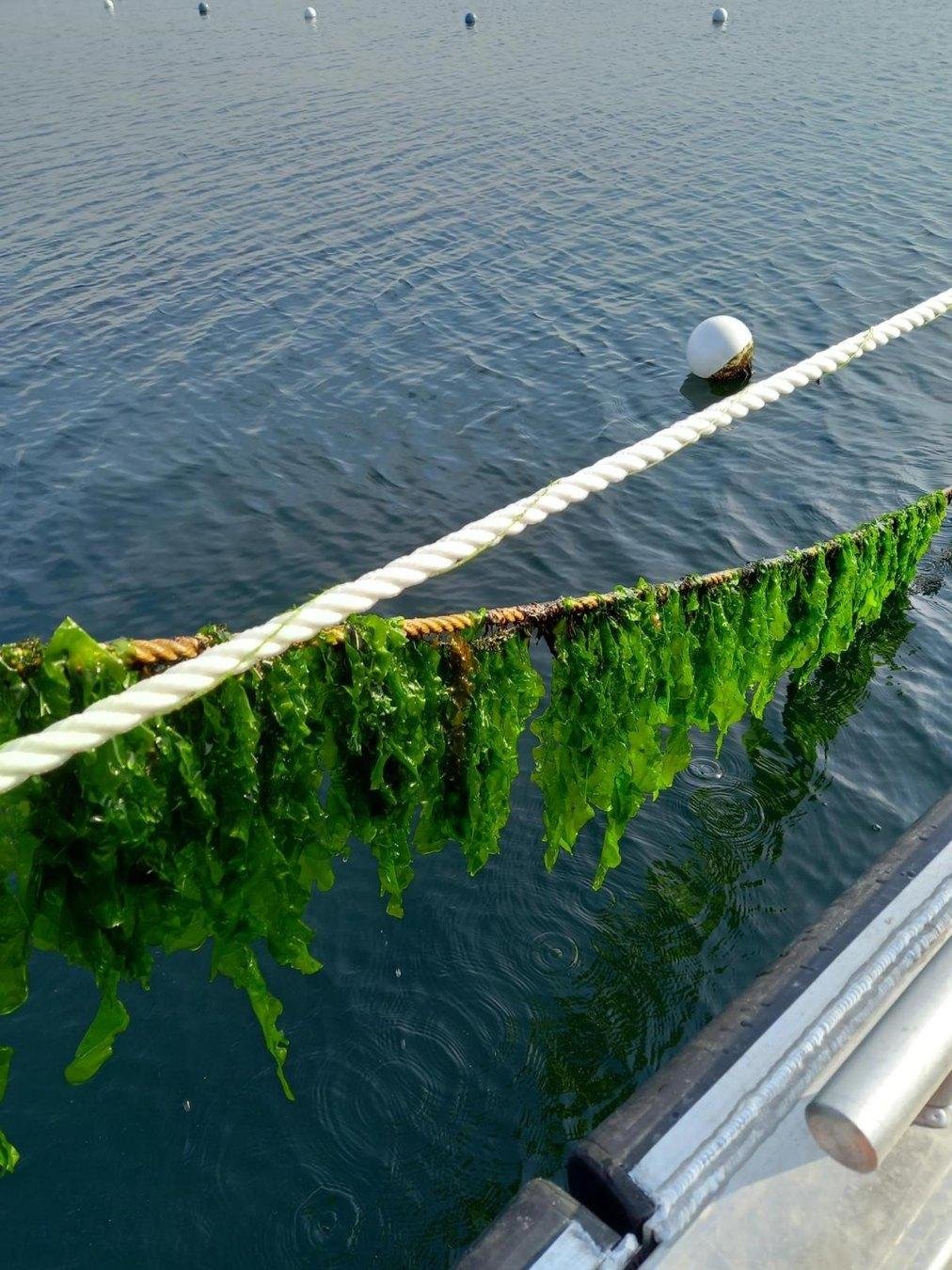
Sea farms could become part of a new Atlantic aquatic economy.
| View | Latin name | Type | How to use |
|---|---|---|---|
| Ulva | Ulva spp. | green | fast growth, compost, liquid fertilizer |
| Gracilaria | Gracilaria spp. | red | farms, agar, organics |
| Cold | Gelidium spp. | red | agar and specialized aquaculture |
| Chaetomorpha | Chaetomorpha spp. | green | filtration and biomass |
How to use in a project
| Compost mix with dry grass, branches and manure; add to pits and compost bins | Soil bury in small portions in trenches and under trees after washing or drying | Liquid fertilizer ferment the seaweed with water for 1-2 weeks and use as a sea infusion | Mulch Dried seaweed retains moisture and protects the surface if salt is controlled |
|---|
Important point: salt
Fresh seaweed is salty. This is critical for coastal desert soil, so it can't simply be spread en masse around plants.
Before adding, it is advisable to lightly rinse or soak the algae;
It is better to mix them with dry grass, branches, manure and compost;
Do not use material from contaminated port and urban areas;
apply in small portions and observe the reaction of plants;
Dried and partially washed seaweed is preferred for mulch.
Where to get raw materials
natural beaching after storms;
tidal zones free from industrial pollution;
shallow water areas with controlled collection;
future small farms Ulva and Gracilaria for regular biomass.
The main mistake
Use only algae as a standalone solution. The working mixture should include dry organic matter, green matter, algae, and moisture.
Practical conclusion: Ulva and Gracilaria are the most convenient base for cultivation and compost; Sargassum, Laminaria, Fucus and Ascophyllum are valuable as mineral supplements; all species require control of salt and the source of collection.