Maximum shrub table: Western Sahara, coast
An expanded selection of coastal shrubs: from extremely resistant, first-growth varieties to mature ornamental and fruit-bearing shrubs.
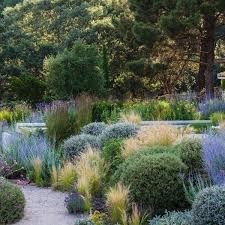
Why is this table separate?
Article 8 provides a general maximum list of shrubs. Article 9 specifies this for the conditions of coastal Western Sahara: salt aerosol, sand, wind, poor soil, and the need to quickly create a protective lower layer.
The practical logic is simple: first, the first-level species are planted, then the aromatic and microclimatic layers are added, and ornamental and fruit shrubs are introduced only in protected areas with regular watering.
How to read the table
| Level 1 You can use it all at once: salt, sand, wind and minimal water. | Level 2 After stabilization: microclimate, aromatic layer, moisture retention. | Level 3 When watering: decorative, fruit and niche layers. |
|---|
Extended table of shrubs
Level 1 - Basic coastal views
Main working types for salt zones, dunes, sands, wind and primary soil formation.
| View | Latin name | Water | Salt | Shadow | Level | Function |
|---|---|---|---|---|---|---|
| Atriplex | Atriplex halimus | low | very high | yes | 1 | soil / salt |
| Atriplex | Atriplex nummularia | low | very high | yes | 1 | feed / soil |
| Atriplex | Atriplex canescens | low | high | yes | 1 | stability |
| Suaeda | Suaeda vera | very low | very high | yes | 1 | salt zones |
| Suaeda | Suaeda fruticosa | very low | very high | yes | 1 | salt barrier |
| Solyanka | Salsola vermiculata | very low | high | yes | 1 | sand |
| Solyanka | Soda ash | very low | high | yes | 1 | soil |
| Calligonum | Calligonum comosum | very low | high | yes | 1 | dunes |
| Leptadeniya | Leptadenia pyrotechnica | very low | average | yes | 1 | sands |
| Calotropis | Calotropis procera | very low | average | yes | 1 | quick start |
| Artemisia | Artemisia herba-alba | very low | average | yes | 1 | soil |
| Nitraria | Nitraria retusa | low | high | yes | 1 | salt zones |
| Retama | Retama raetam | very low | average | yes | 1 | nitrogen |
| Genista | Genista saharae | very low | average | yes | 1 | sands |
| Hamada | Haloxylon scoparium | very low | average | yes | 1 | fixation |
| Bushy jujube | Ziziphus lotus | very low | average | yes | 1 | barrier |
| Tamarisk bush | Tamarix senegalensis | low | high | yes | 1 | wind |
| Air | Aerva javanica | very low | average | yes | 1 | sand |
| Cornulaca | Cornulaca monacantha | very low | high | yes | 1 | dunes |
| Anabasis | Articulated Anabasis | very low | high | yes | 1 | desert |
Level 2 - Tolerant to minimal watering
The second layer enhances the microclimate, aromatic protection and biological stability of the area.
| View | Latin name | Water | Salt | Shadow | Level | Function |
|---|---|---|---|---|---|---|
| Rosemary | Rosemary officinalis | low | low | yes | 2 | microclimate |
| Lavender | Lavender spp. | low | low | yes | 2 | aroma / moisture |
| Thyme | Thymus spp. | very low | low | yes | 2 | soil |
| Sage | Sage officinalis | low | low | yes | 2 | stability |
| Incense burner | Cistus spp. | low | low | yes | 2 | soil |
| Myrtle | Common myrtle | average | low | yes | 2 | structure |
| Jojoba | Simmondsia chinensis | low | average | yes | 2 | oil |
| Aloe | Aloe vera | very low | high | yes | 2 | medicine |
| Helichrysum | Helichrysum italicum | low | low | yes | 2 | dry zones |
| Teucrium | Teucrium spp. | low | low | yes | 2 | soil |
| Santolina | Santolina chamaecyparissus | low | low | yes | 2 | protection |
Level 3 - with regular watering
These species are introduced after the appearance of water, shade and a protected microclimate.
| View | Latin name | Water | Salt | Shadow | Level | Function |
|---|---|---|---|---|---|---|
| Bougainvillea | Bougainvillea spp. | average | average | yes | 3 | protection |
| Oleander | Oleander tree | low | average | yes | 3 | barrier |
| Hibiscus | Hibiscus spp. | average | low | yes | 3 | decorative |
| Bush pomegranate | Dwarf pomegranate | average | low | yes | 3 | fetus |
| Bush guava | Psidium guajava | average | low | yes | 3 | fetus |
| Feijoa | Acca sellowiana | average | average | yes | 3 | fetus |
| Coffee, experimental | Coffea arabica | average | low | yes | 3 | niche crop |
Additional structural and succulent species
These plants strengthen the dry framework of the system: they retain water, provide density, structure and some of the productive function.
| View | Latin name | Function |
|---|---|---|
| Prickly pear | Opuntia ficus-indica | food / water |
| Agave | Agave americana | water retention |
| Yucca | Yucca spp. | structure |
| Euphorbia | Euphorbia spp. | protection |
| Dragon fruit | Hylocereus | fetus |
Key principle
Shrubs are the foundation of the system. They create soil, retain moisture, cover the surface, and protect the trees. Without shrubs, the green corridor loses its first real layer of stability.
| Minimum set Atriplex, Salsola, Retama, Artemisia и Point. | Result The living foundation of the desert: less wind near the soil, more moisture and better tree growth. | Honest conclusion Trees are the second stage. Shrubs produce the first results. |
|---|
Images from the source
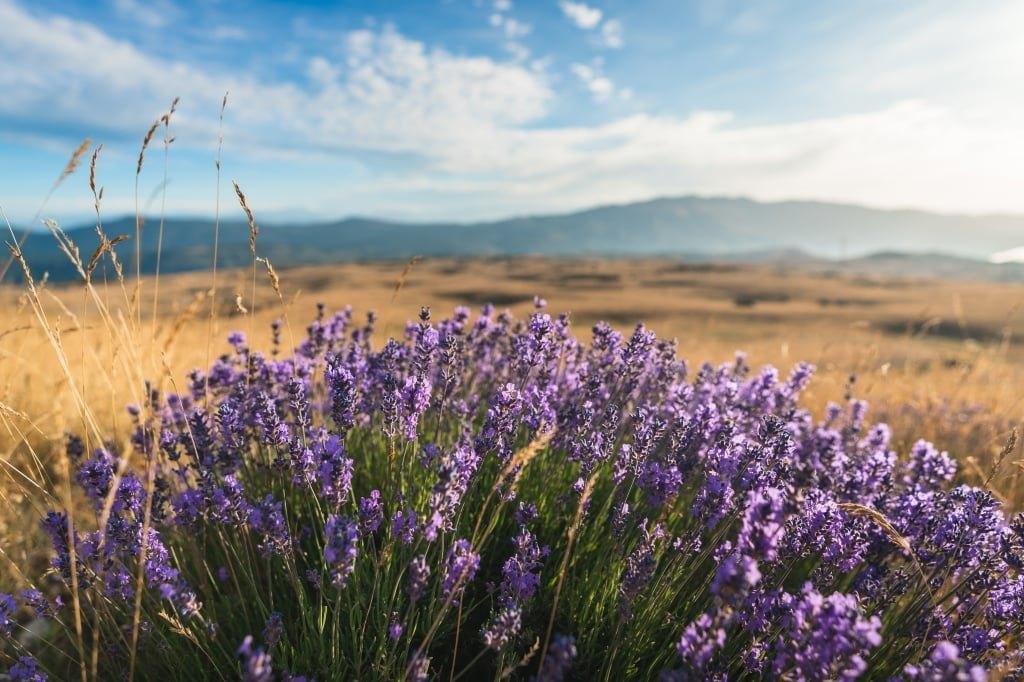
Lavender in a dry landscapeAromatic species are suitable for the second level after the soil has stabilized.
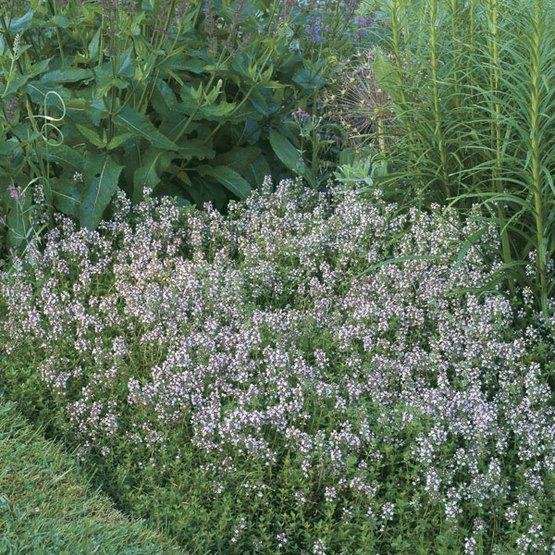
Thyme and low herbaceous shrubsLow species compact the living soil layer and reduce evaporation.
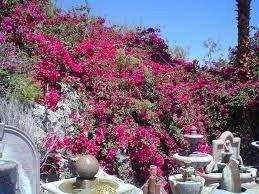
BougainvilleaA decorative and protective layer is acceptable with stable water and protection from the wind.
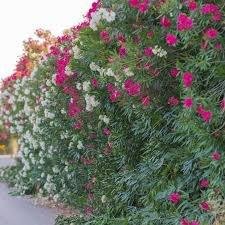
Living barrierOleander and similar species act as a dense visual and wind protection.
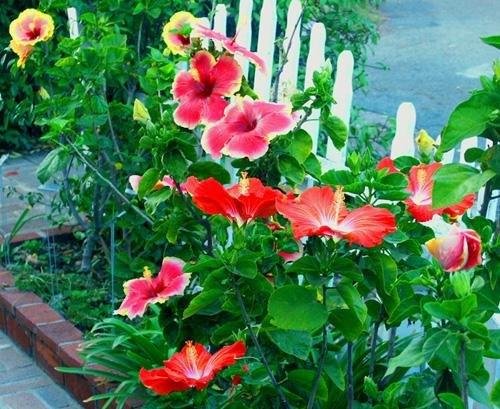
HibiscusThird level species are suitable for developed microclimatic pockets.