Maximum table of soil-forming grasses
Herbs that help transform sand into a living top layer: roots, organic matter, moisture, microorganisms and surface protection.
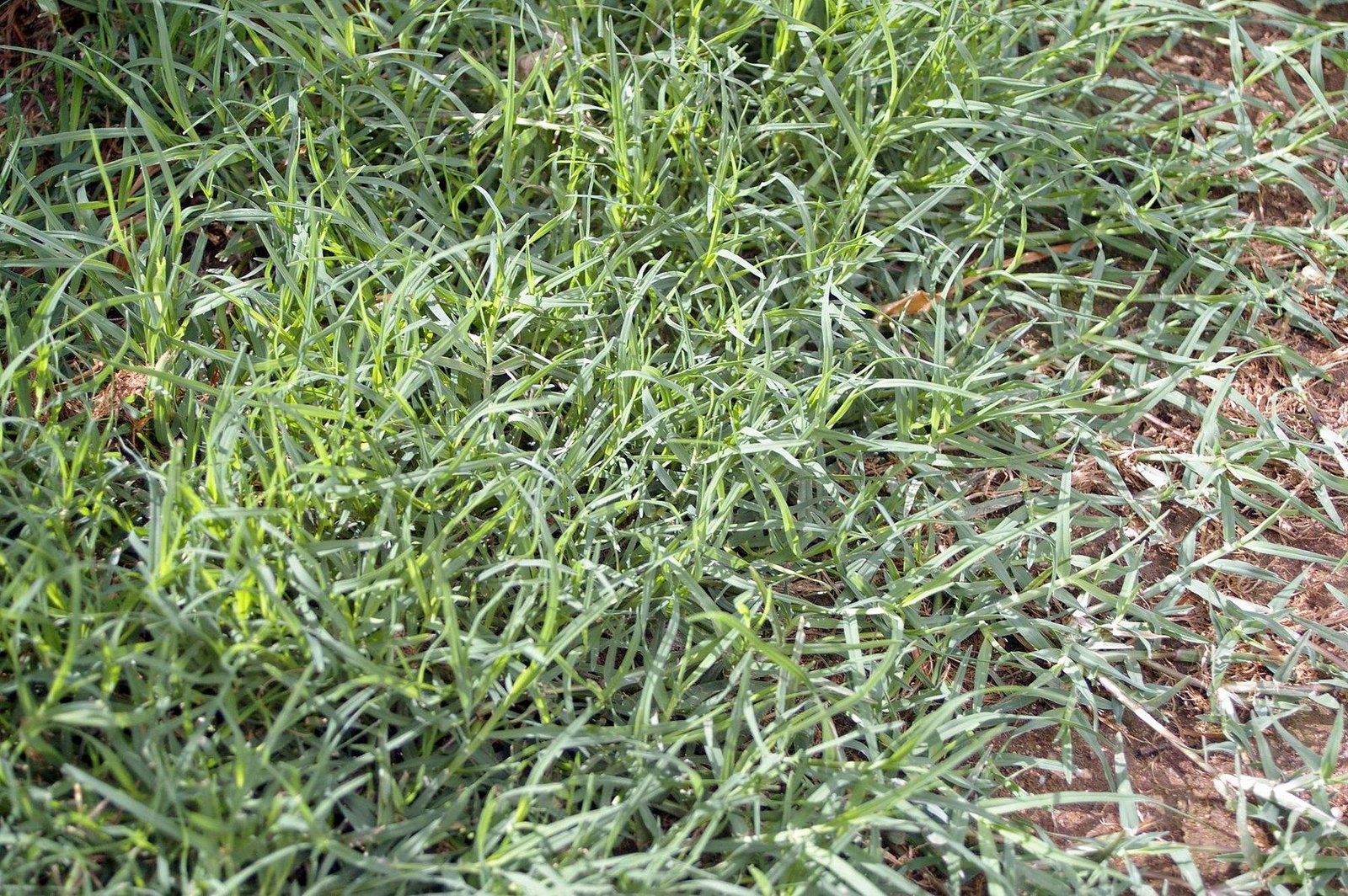
Article by DREVO
Soil is created by roots
Soil-forming grasses do not compete with trees. Their job is to seal the sand, retain moisture, develop a root system, accumulate organic matter, and prepare the soil for biocrust, fungi, bacteria, and subsequent planting layers.
In a coastal desert, fertilizer alone doesn't create soil. Soil develops through a sequence: roots → organic matter → moisture → microorganisms → stable topsoil.
Article images
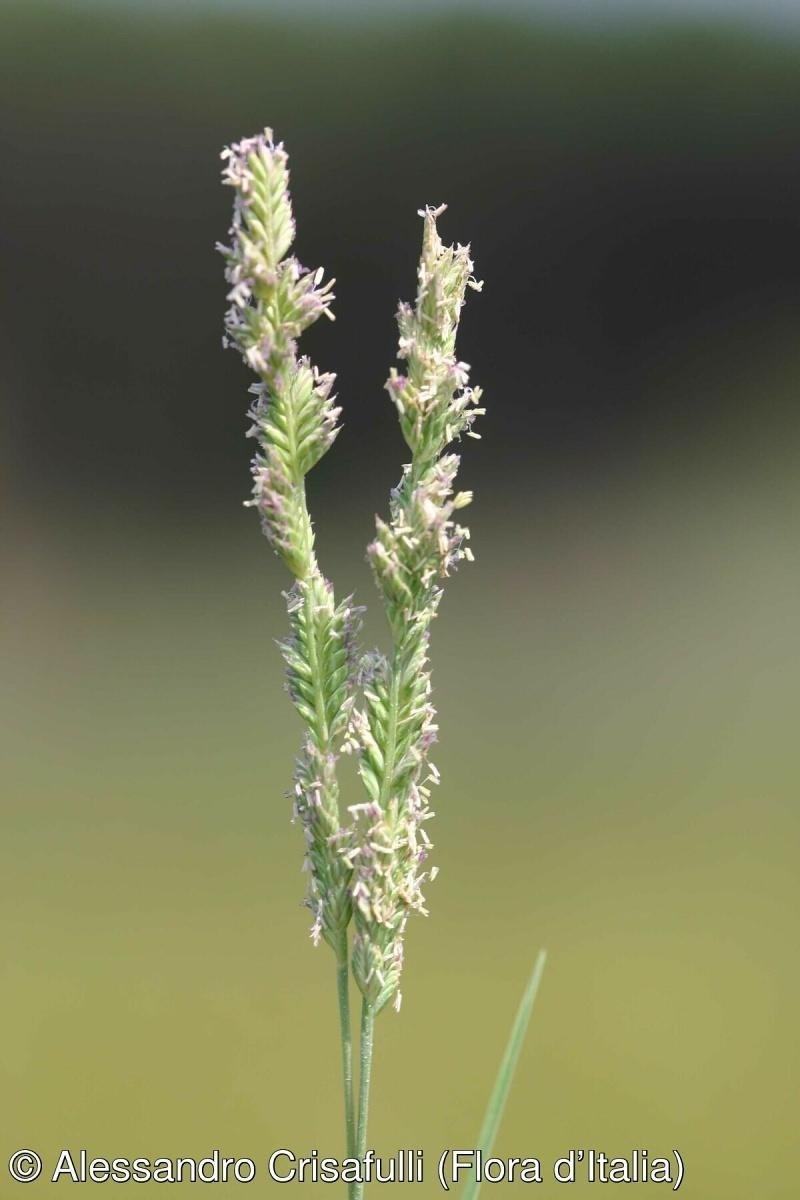
Seed ears and root network of cereals
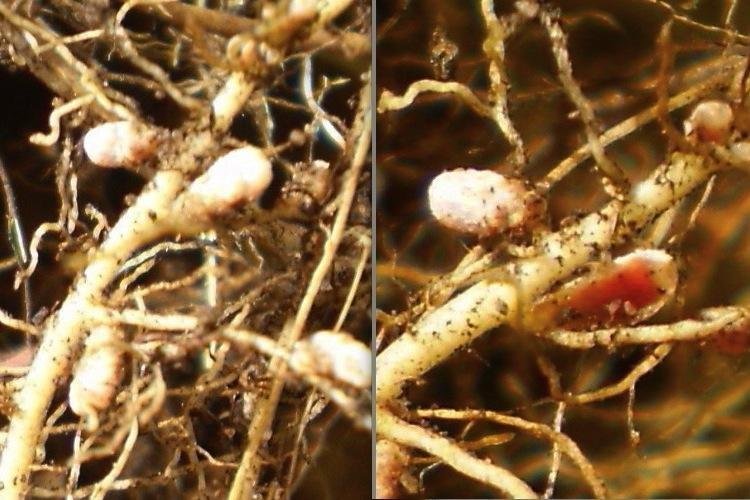
Legume Root Nodules: Nitrogen and Microbiology
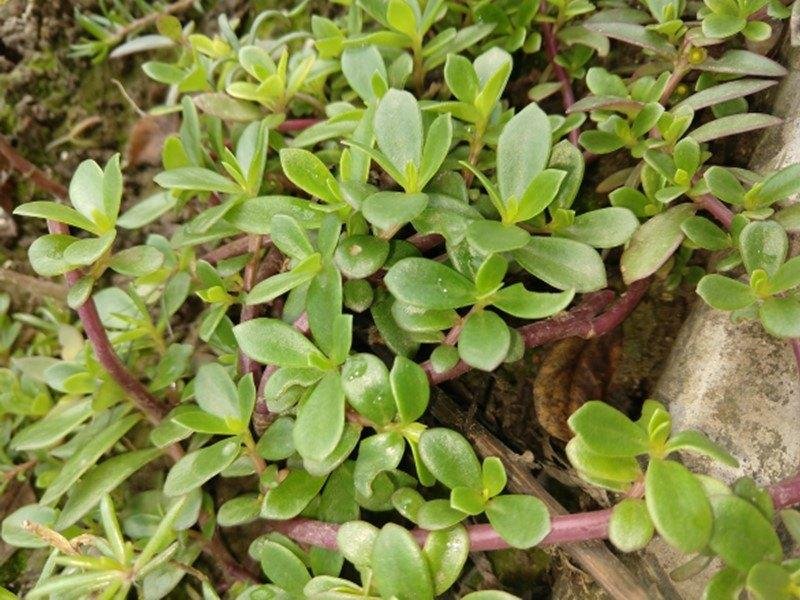
Purslane retains moisture and covers the surface
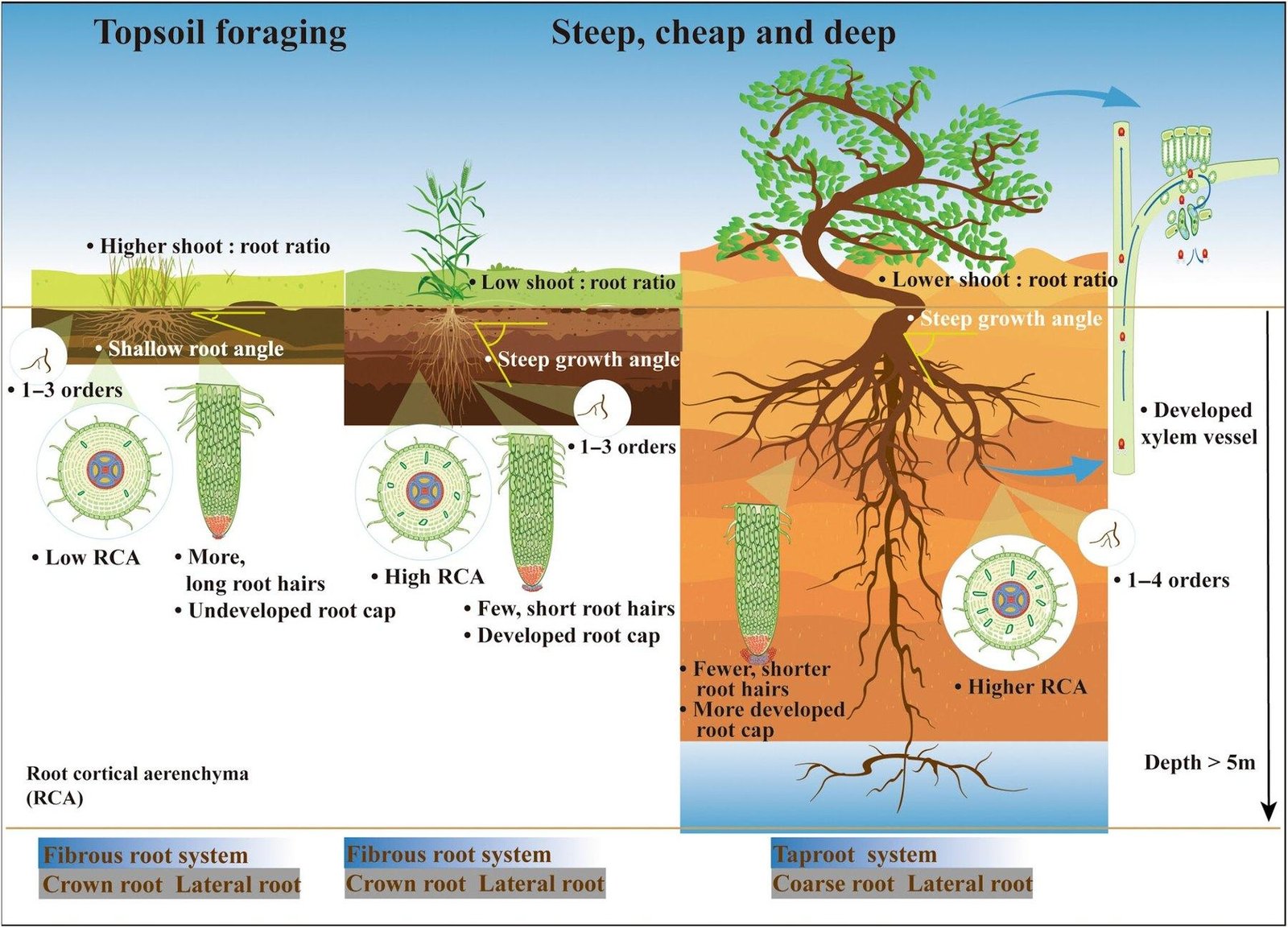
Deep roots as an engineering principle of soil formation
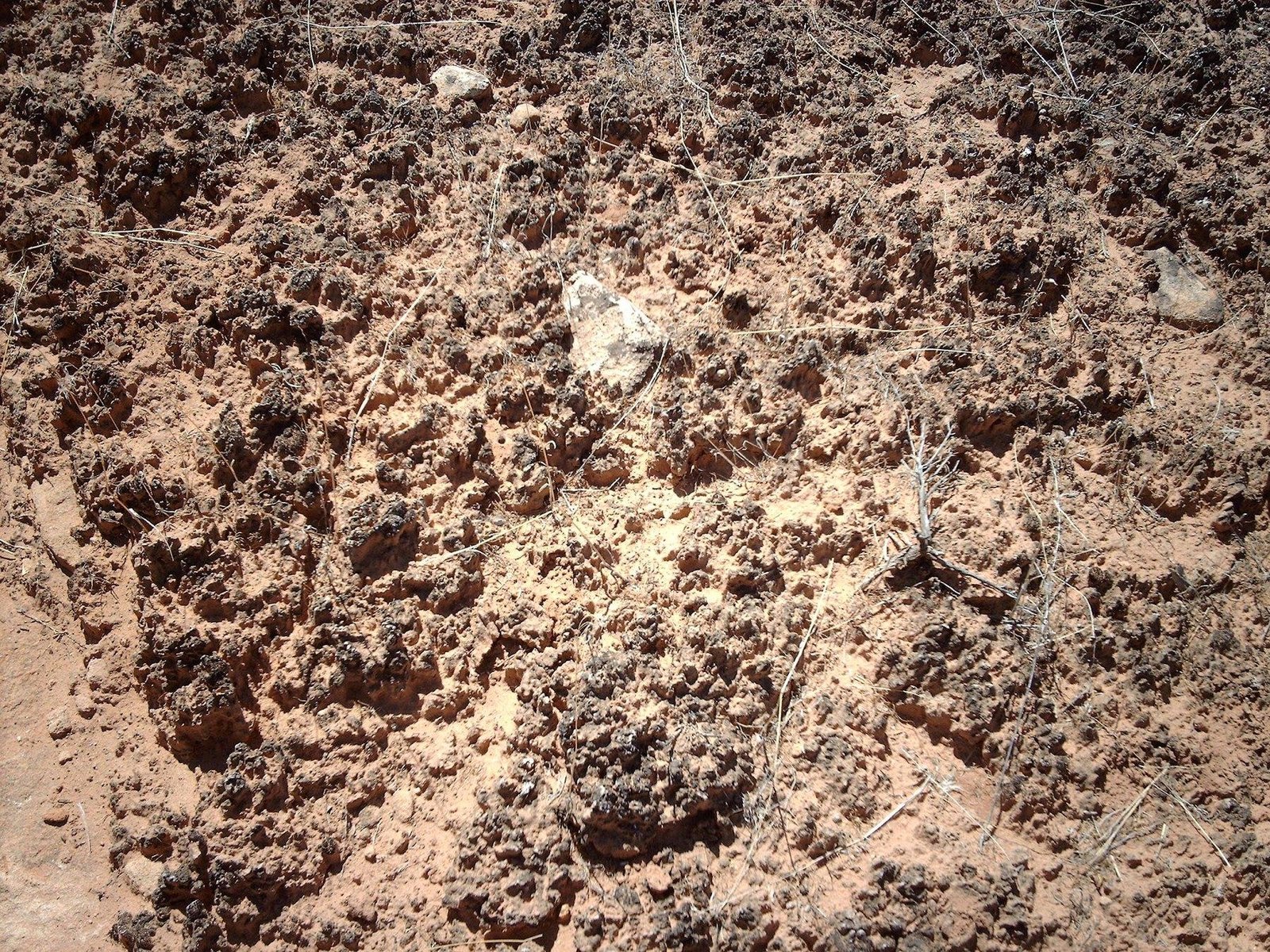
Biocrust and organic matter transform sand into a living surface
Base: desert, salt and wind
This group is needed for the initial fixation of sand and work in conditions of wind, salt aerosol and minimal water.
| View | Latin name | Water | Salt | Roots | Role |
|---|---|---|---|---|---|
| Bermuda grass | Cynodon dactylon | very low | high | dense | consolidation |
| Eluropus | Aeluropus littoralis | very low | very high | dense | salt zones |
| Sporobolus | Sporobolus spicatus | very low | high | deep | sand |
| Panics | Panicum turgidum | very low | average | deep | dunes |
| Laziurus | Lasiurus scindicus | very low | average | deep | sands |
| Paspalum | Paspalum sheathed | low | very high | dense | shore |
| Stipagrostis | Stipagrostis spp. | very low | average | deep | desert |
| Aristide | Aristida spp. | very low | average | deep | fixation |
Nitrogen and biomass
Legumes and fast-growing species are included after primary stabilization, when the ability to retain more moisture becomes available.
| View | Latin name | Water | Salt | Role |
|---|---|---|---|---|
| Alfalfa | Medicago sativa | average | low | nitrogen |
| Clover | Clover spp. | average | low | nitrogen |
| Vika | Vicia spp. | average | low | soil |
| Donnik | Melilotus spp. | low | average | drought |
| Sesbania | Sesbania spp. | average | average | rapid growth |
Cover species
Ground cover plants reduce surface overheating, retain moisture and protect the sand from direct wind.
| View | Latin name | Water | Salt | Role |
|---|---|---|---|---|
| Purslane | Purslane | very low | average | moisture |
| Mesembryanthemum | Mesembryanthemum spp. | very low | high | salt |
| Carpobrotus | Edible Carpobrotus | very low | high | cover |
| Sesuvium | Sesuvium purslane | very low | very high | salt zones |
| Zygophyllum | Zygophyllum spp. | very low | high | desert |
Deep roots
This group creates structure, works deeper than the top layer and helps transition the site from sand to a stable soil system.
| View | Latin name | Water | Salt | Role |
|---|---|---|---|---|
| Vetiver | Chrysopogon zizanioides | low | average | depth |
| Sorghum | Sorghum bicolor | low | average | biomass |
| Millet | Pennisetum glaucus | low | average | structure |
| Cenchrus | Cenchrus ciliaris | low | average | pasture |
How it works together
| Sand consolidation Cynodon and Aeluropus form a dense surface mesh. | Nitrogen Medicago and Trifolium add biomass and support soil microbiology. | Cover Portulaca and Carpobrotus reduce evaporation and protect the surface. | Depth Vetiver and other deep-rooted species provide a structural framework. |
|---|
Conclusion
The minimum setup for a start-up: Cynodon + Aeluropus + Medicago + Portulaca + Vetiver. It holds the soil, introduces organic matter, and forms the basis of living soil. The project can be conceptualized as a living soil formation system in the desert.