Biobonding: the best solution
Bio-bonding works where conventional planting would immediately lose water and soil. First, the sand surface needs to be bound with mechanical, organic, and biological crust, and then the plants need to be attached.
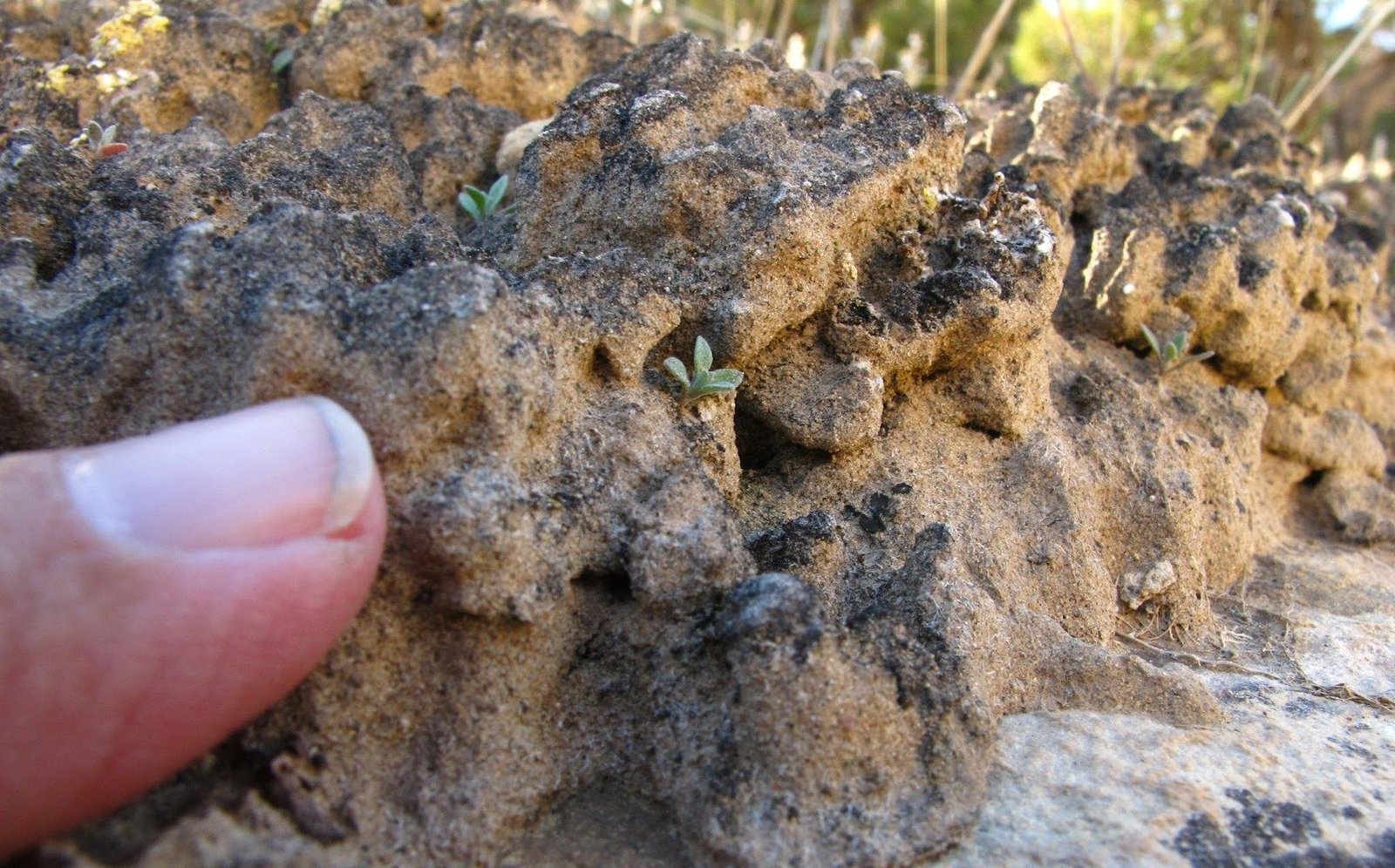
Sand stabilization base
The meaning of biobonding
In a coastal desert, relying solely on tree planting is unsustainable. Shifting sand, salt, heat, and wind destroy young trees faster than they can establish roots. Therefore, the first layer of the DREVO project must act as a "living skin" for the surface.
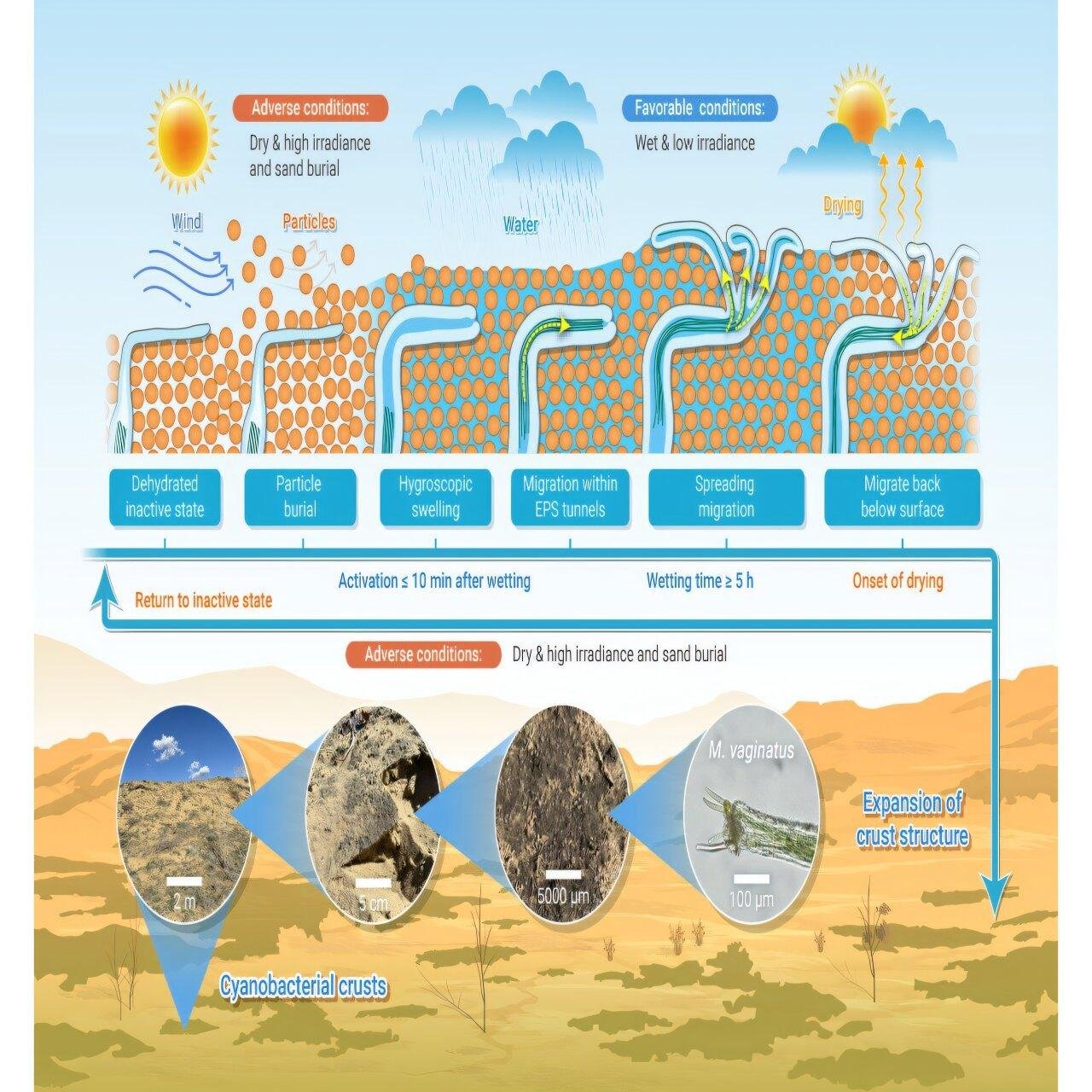
Cyanobacteria and microbial communities help form the first living layer.
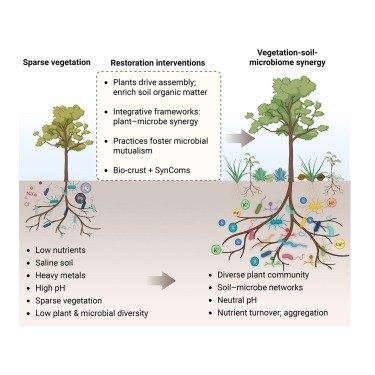
The microbiological structure is important as an invisible framework for the future soil.
Five working methods of fastening
| Method | What does it do? | When to apply | Role in DREVO |
|---|---|---|---|
| Biocork | glues sand with microorganisms | after initial wind protection | creates a living surface |
| Shaped blocks | break the wind flow and hold the sand | in open areas of the pilot | provide geometry and microrelief |
| Stone lines | stop the flow and transfer of particles | on slopes and along contours | collect moisture and dust |
| Clay-sand borders | make mini-terraces and edges of holes | only if there is clay | retain water locally |
| Root fixation | secures the surface with living roots | after preparing the substrate | transfers the system to long-term stability |
1. Biocrust: cyanobacteria and organic matter
A biocrust develops when the surface has minimal protection from wind, some organic matter, and wet periods. Microorganisms bind sand particles, causing the surface to darken, become denser, and become more resilient to moisture.
the sand is less blown by the wind;
moisture is retained longer;
dust and organic particles are retained on the surface;
a base is created for grasses, shrubs and trees.
2. Form Blocks: Module Instead of Chaos
The original idea is not simply to lay a grid, but to create repeatable modules: squares, circles, waves, and funnels. These shapes not only secure the sand but also control wind and sparse water. 50x50 cm blocks are convenient for the pilot area; 1x1 m blocks with a depth of 10-20 cm are suitable for the standard area.
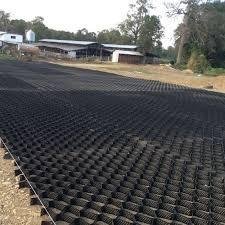
The shaped cells create an artificial roughness and hold the sand in place.
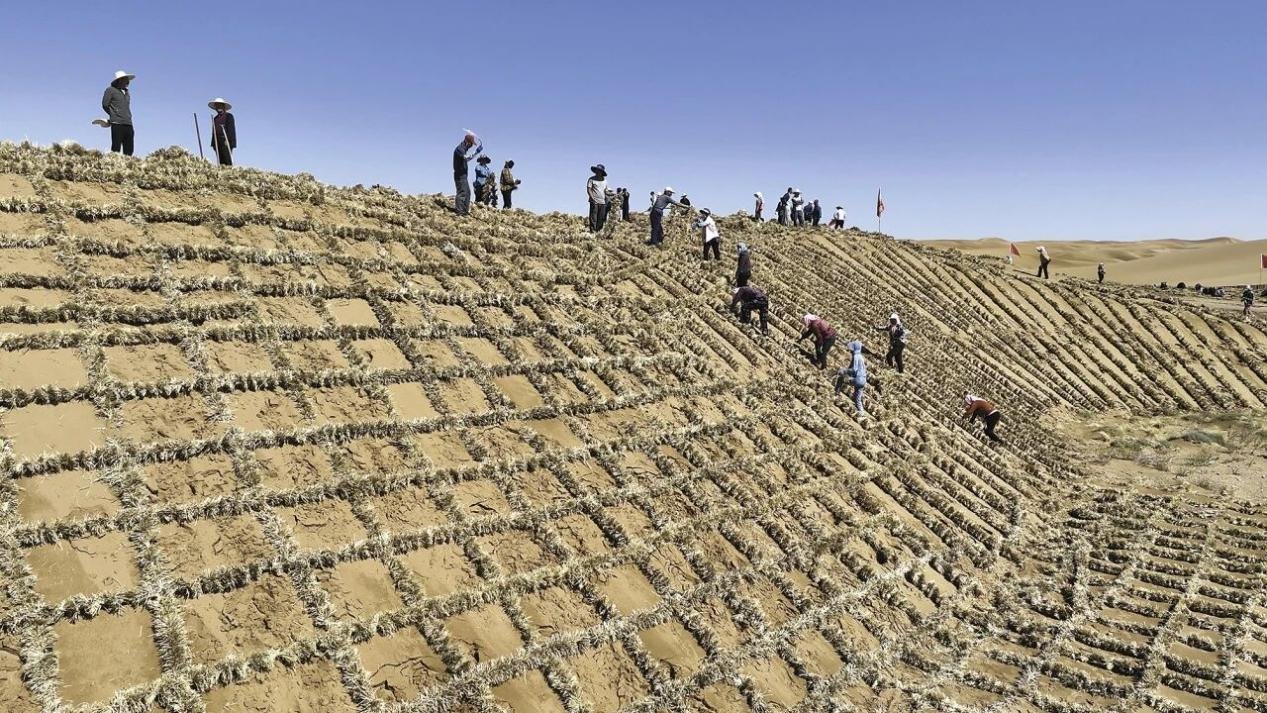
Chinese logic of cellular fixation is applicable as the first engineering layer.
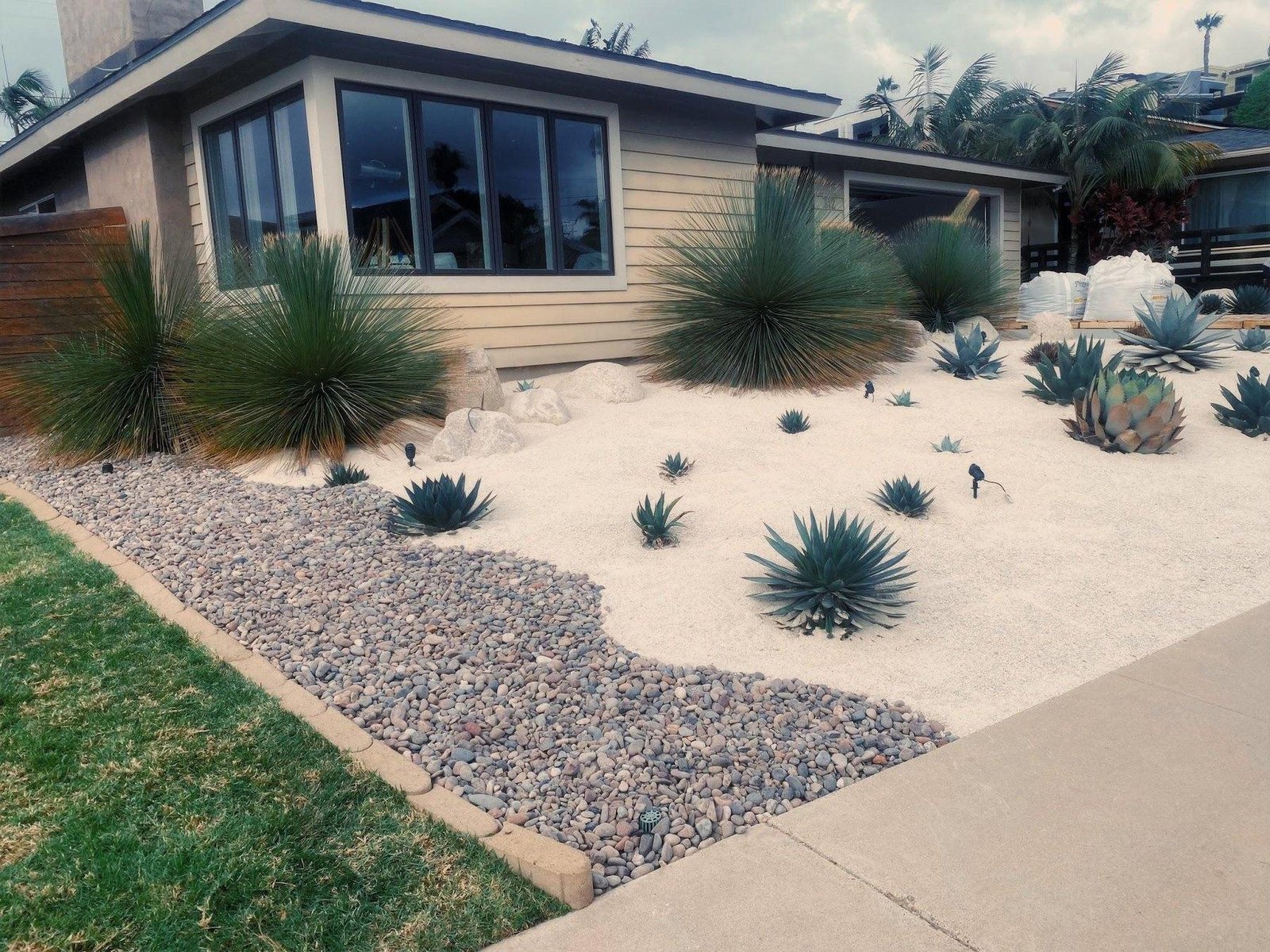
Modular geometry helps direct the flow of wind and water.
3. Stone lines and mini-walls
Stone is the most durable and understandable material for low contour lines. It slows surface runoff, traps dust, and creates small moisture pockets. At DREVO, stone lines are especially useful where wind and microslopes coincide.
circles around future plants;
lines across the wind and runoff;
low mini walls;
Contoured sides to retain water.
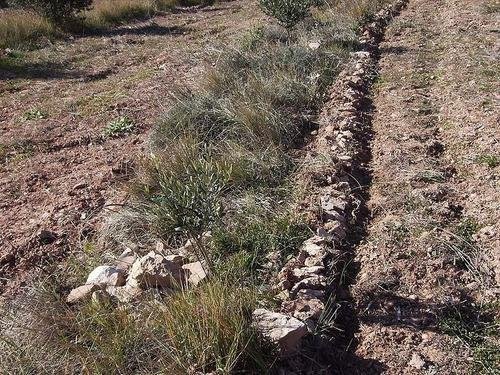
Stone contour lines retain moisture and soil particles.
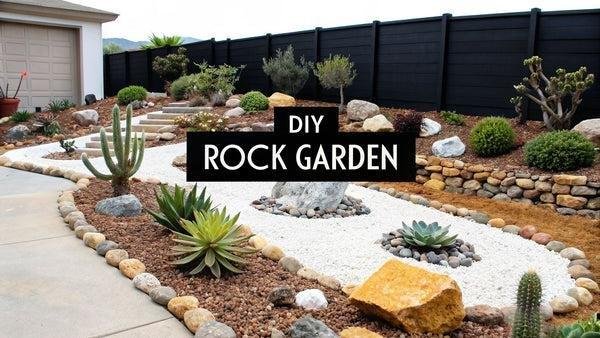
The stone acts as a durable barrier without complex maintenance.
4. Clay-sand blocks
If the site has clay, sand can be mixed with 10-30% clay and used to form borders, blocks, and mini-terraces. This method helps retain water in the hole, but without clay, it doesn't work: regular sand quickly crumbles and doesn't form a stable shape.
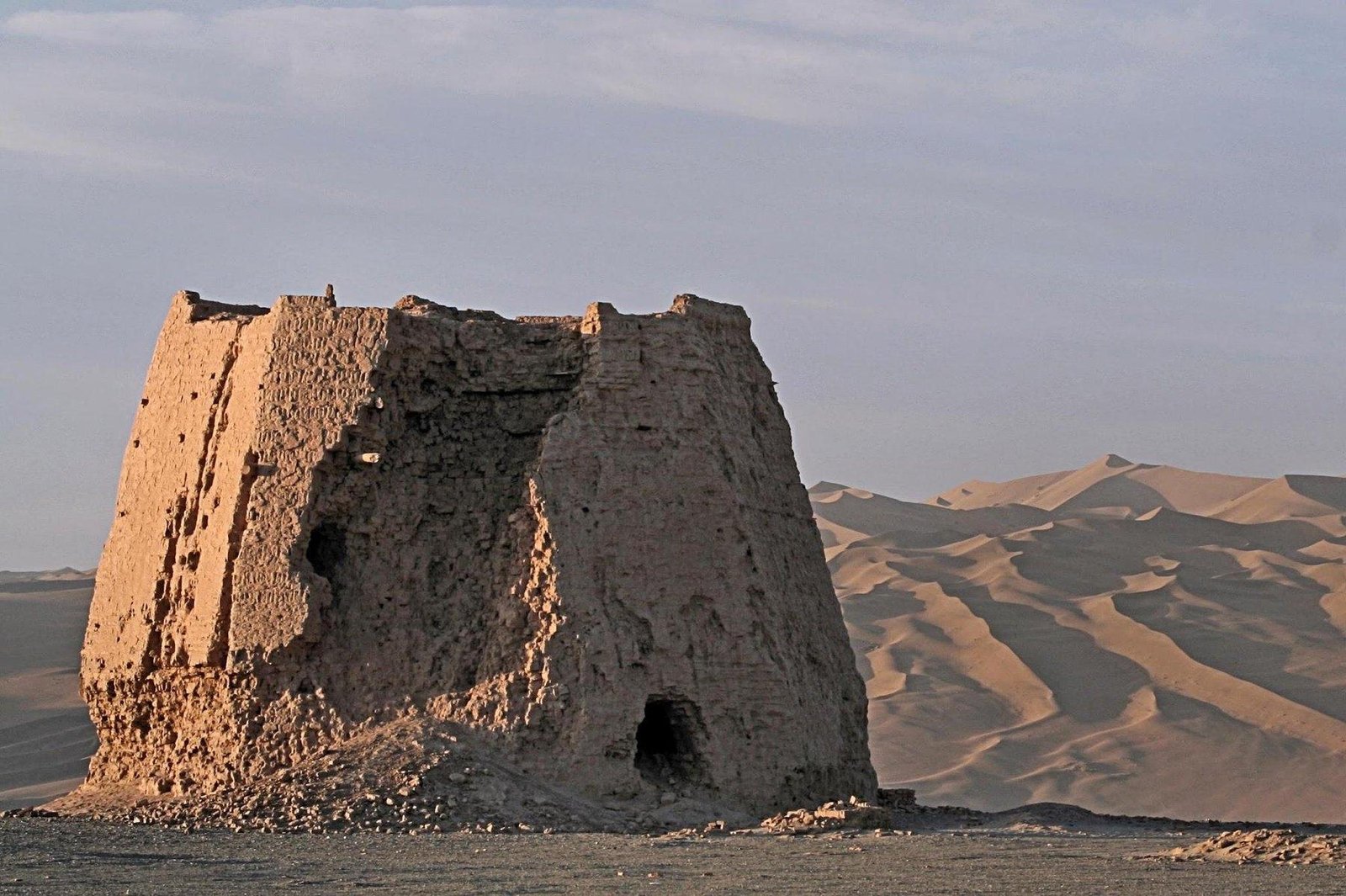
The clay-sand form holds the edge of the hole and reduces moisture loss.
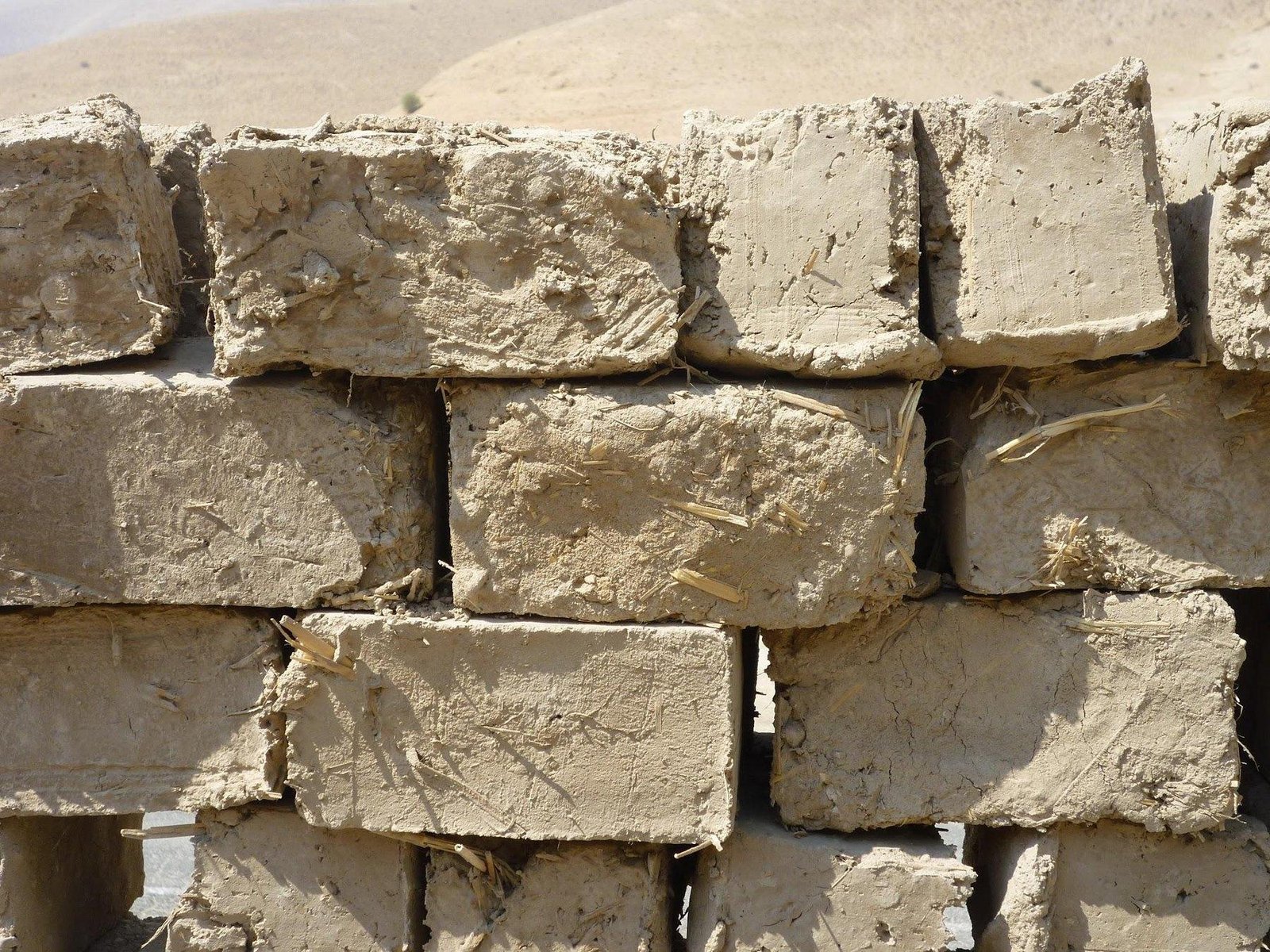
Compacted earth blocks are only useful where there is a clay binder component.
5. Root fixation
The strongest hold occurs later, when grasses and shrubs are introduced into the prepared surface. Roots bind the sand, create porosity, and provide organic matter. However, root anchorage shouldn't be the first step: plants need to be introduced into an already protected microrelief.
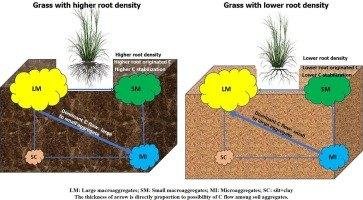
The root system fixes the sand in a long cycle once the surface has been prepared.
A combination that really works
A single method is weak. Pure mechanics is temporary, pure biology develops slowly, and simply planting plants is too risky. A working model is only a combination.
| Subsequence | Practical meaning |
|---|---|
| Grid or module | stops shifting sand |
| Stones and curbs | form microrelief and retain moisture |
| Organic matter and compost infusion | provide nutrition to microorganisms |
| Biocork | strengthens the surface and initiates soil formation |
| Herbs and shrubs | secure the system with roots |
| Trees | are introduced only after the area has been stabilized |
DREVO modular eco-blocks
A powerful idea for a pilot is to create repeatable eco-blocks rather than random plantings. Each block shapes the terrain, collects water, and fosters life. Such blocks can be tested in small areas, compared with each other, and scaled up along the corridor.
Organic matter, small stones, mulch, and shade are added inside the block. This makes the block act as a miniature sponge rather than a dry planting hole.
The main conclusion
Biobonding is not a standalone technique, but rather a starting technology for a green corridor. It transforms sand from a mobile surface into a base that can retain water, organic matter, and roots.