Insects and soil animals as the engine of the ecosystem
Soil fauna is the layer without which a system cannot become self-sustaining. If a project includes plants and compost but no living fauna, the soil remains weak. When decomposers, structure builders, protectors, and pollinators appear, organic matter is converted into humus, and the root zone begins to retain moisture.
Unified table by zones
Beneficial insects and small animals
In a coastal desert, soil life develops slowly. Initially, persistent detritivores and microfauna are active, followed by worms, pollinators, predatory insects, and small animals. Therefore, fauna must be considered by zones and the degree of maturity of the environment.
insects and soil animals mix organic matter with the mineral base;
passages and pores improve the absorption of rare moisture;
detritophages accelerate the conversion of mulch and compost into humus;
Pollinators and predatory insects make the system stable after flowering plants appear;
Without organic matter, moisture and shelter, beneficial fauna cannot take hold.
salt, wind, extreme
Zones 1-2 (0-100 m)
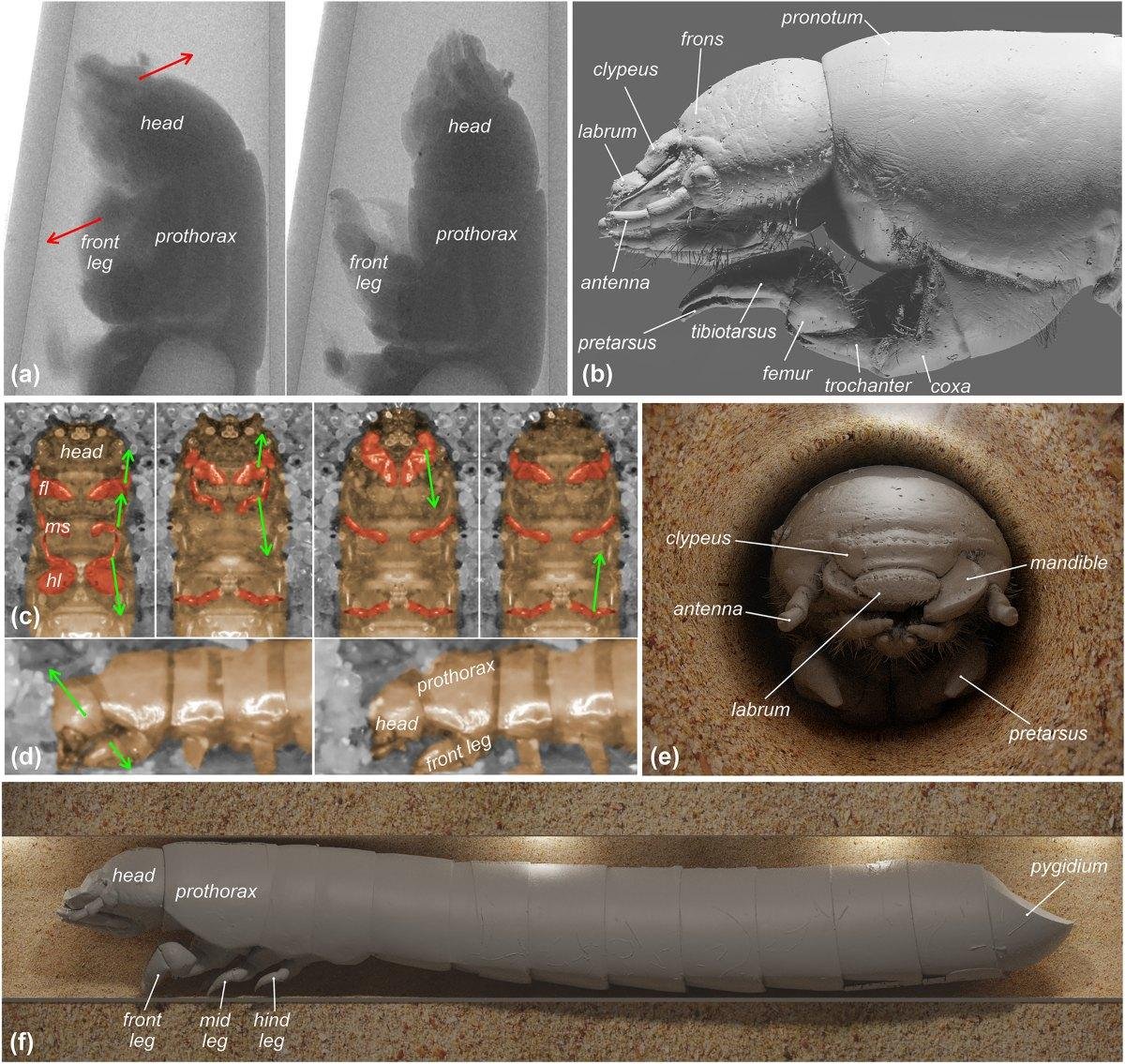
Tenebrionids and related desert beetles tolerate heat, sand and moisture deficiency.
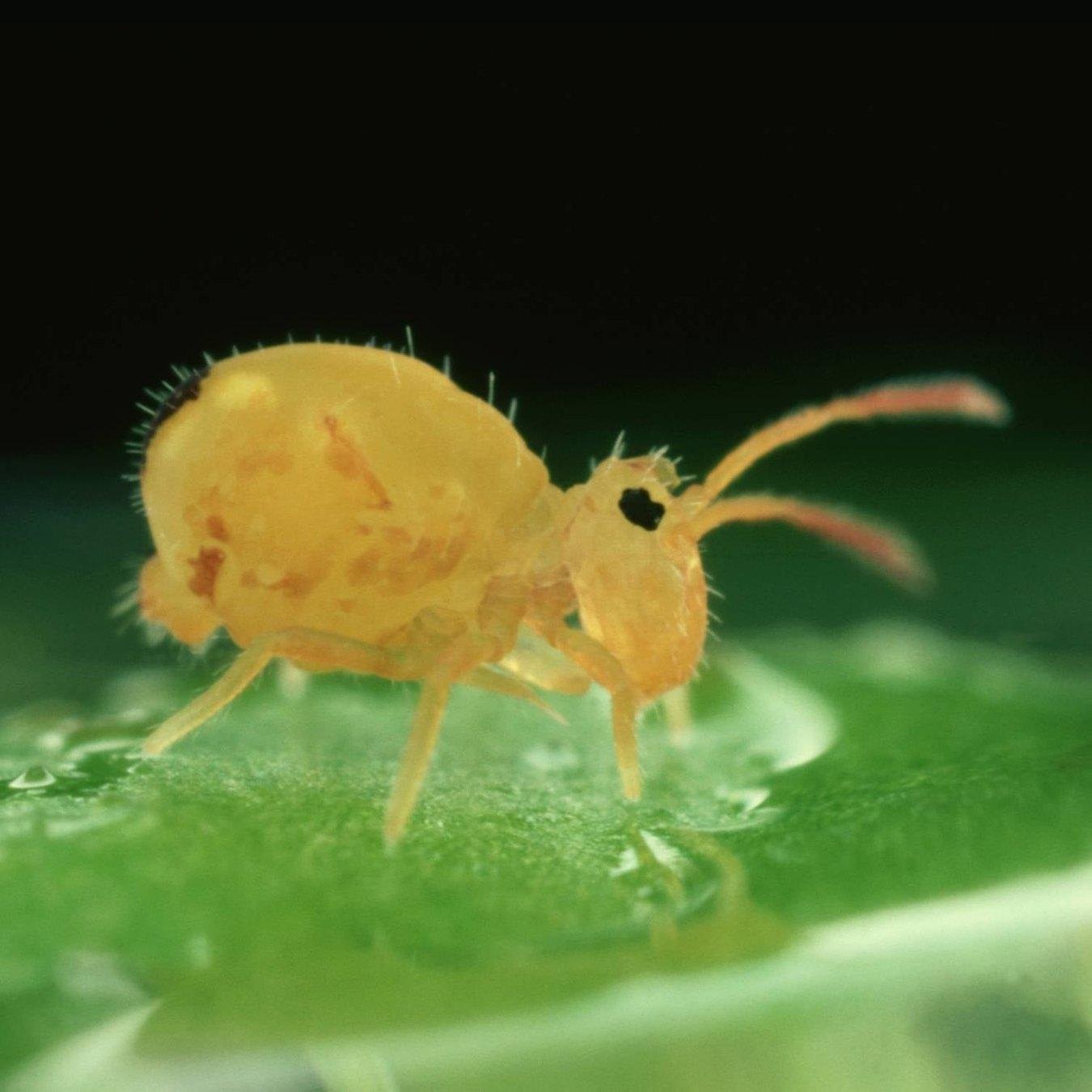
Springtails demonstrate the importance of microfauna in a thin, moist organic layer.
| View | Latin name | Type | Role |
|---|---|---|---|
| Desert ants | Cataglyphis spp. | insects | soil mixing |
| Tenebrionids | Tenebrionidae | insects | decomposition of dry organic matter |
| Springtails | Collembola | microfauna | participation in the soil cycle |
| Woodlice | Porcellio spp. | detritivore | organic waste processing in wet shelters |
| Thermophilic bacteria | - | microorganisms | acceleration of decomposition |
On the first front, organic matter begins to move: the sand is still extreme, but microrelief, stones, mulch, and protected spots create the first working niches.
the real ground begins
Zone 3 (100-300 m)
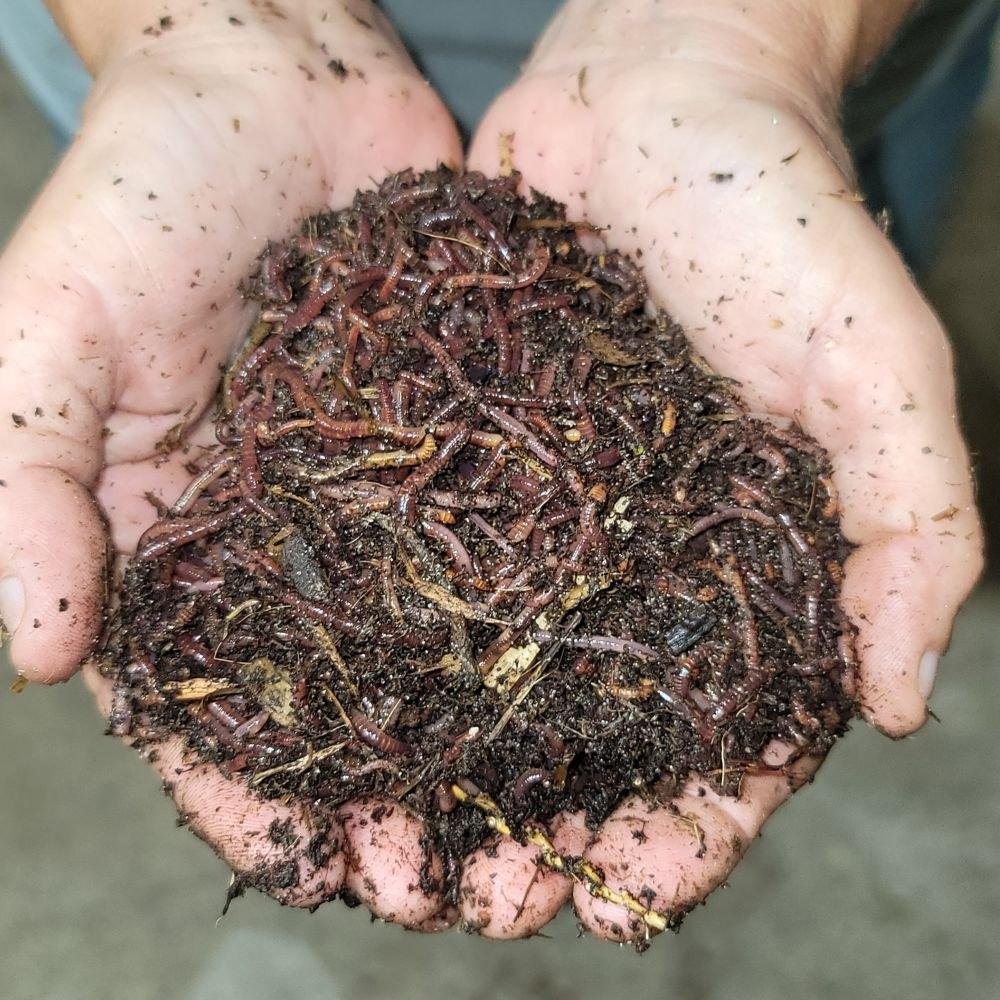
Earthworms can only thrive where there is already organic matter and stable moisture.
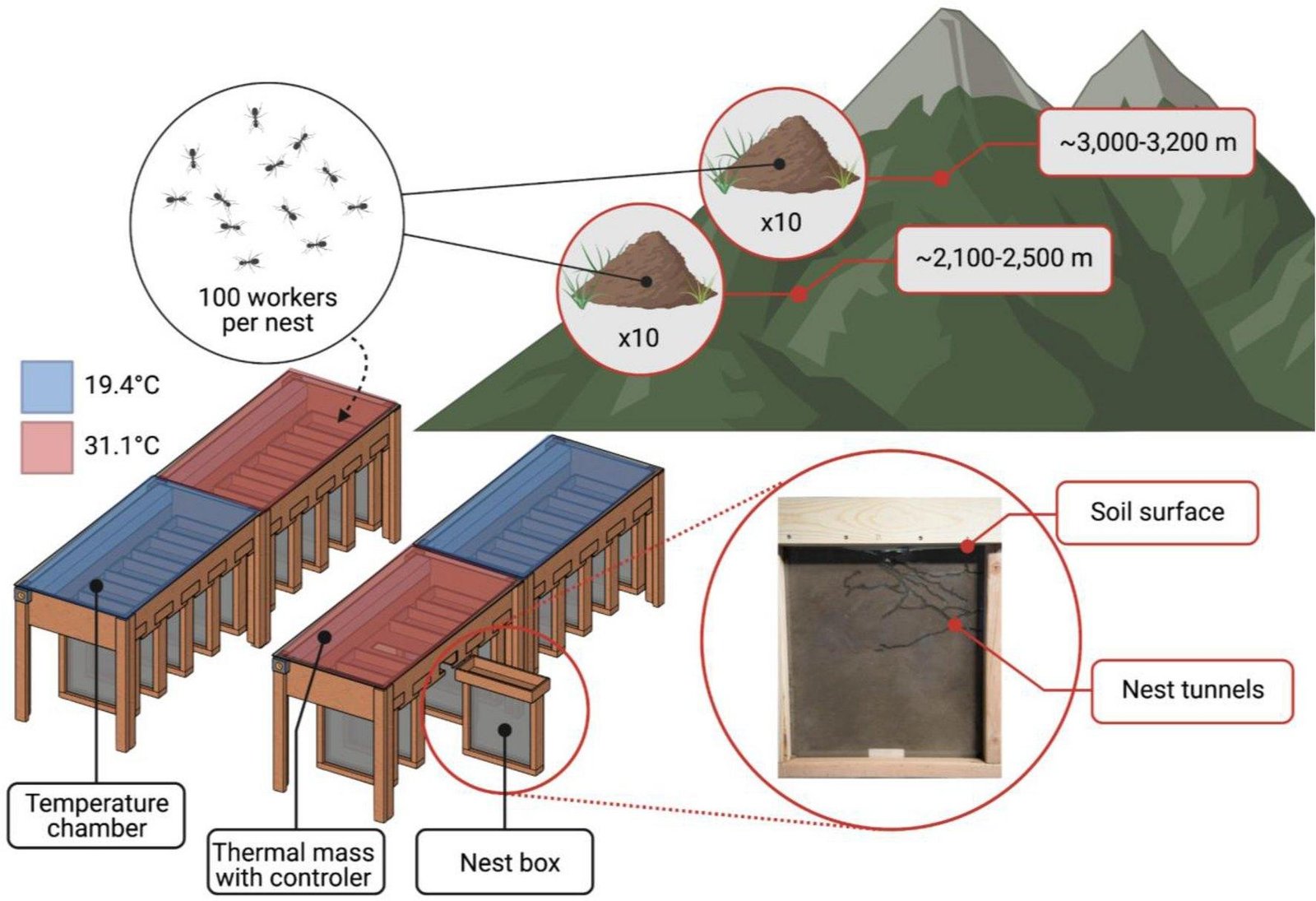
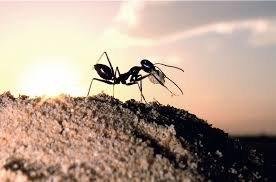
Ant tunnels and chambers improve the structure of the top layer.
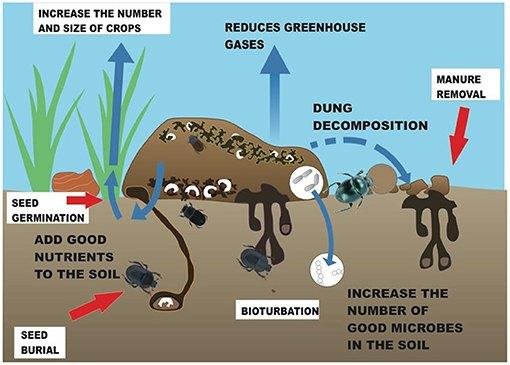
The soil food web links organic matter, microorganisms and roots.
| View | Latin name | Type | Role |
|---|---|---|---|
| Earthworms | Eisenia fetida | worms | humus formation |
| Ants | Formicidae | insects | structure and aeration |
| Soil mites | Acari | microfauna | decomposition |
| Detritus beetles | - | insects | organic waste recycling |
| Larvae | - | insects | crushing of plant residues |
In this zone, organic matter no longer simply lies on the surface but begins to be incorporated into the soil profile. This is the transition from sand to living soil.
a full-fledged ecosystem
Zones 4-5 (300 m - 2 km)
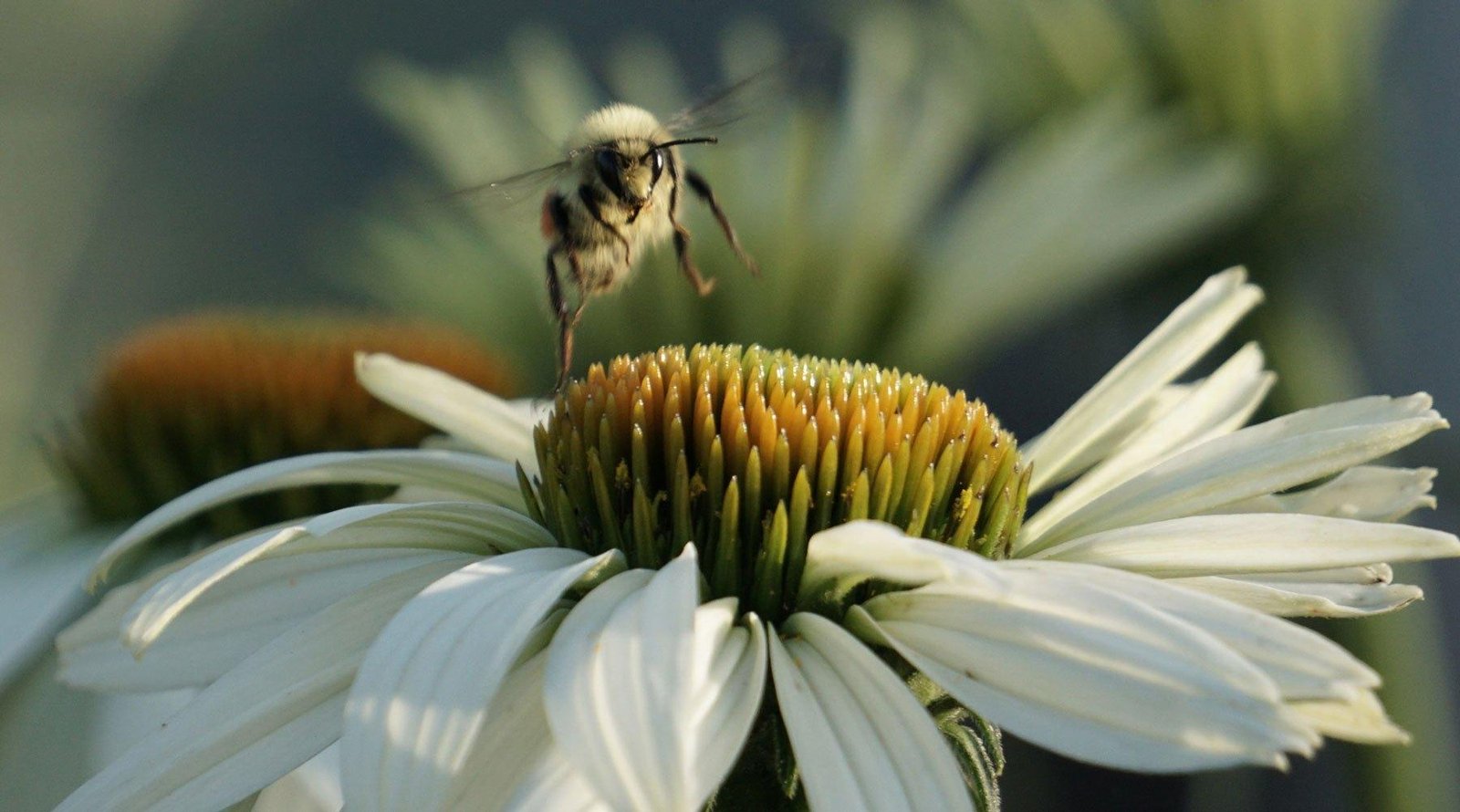
Bees and wild pollinators become important once flowering grasses, shrubs and trees emerge.
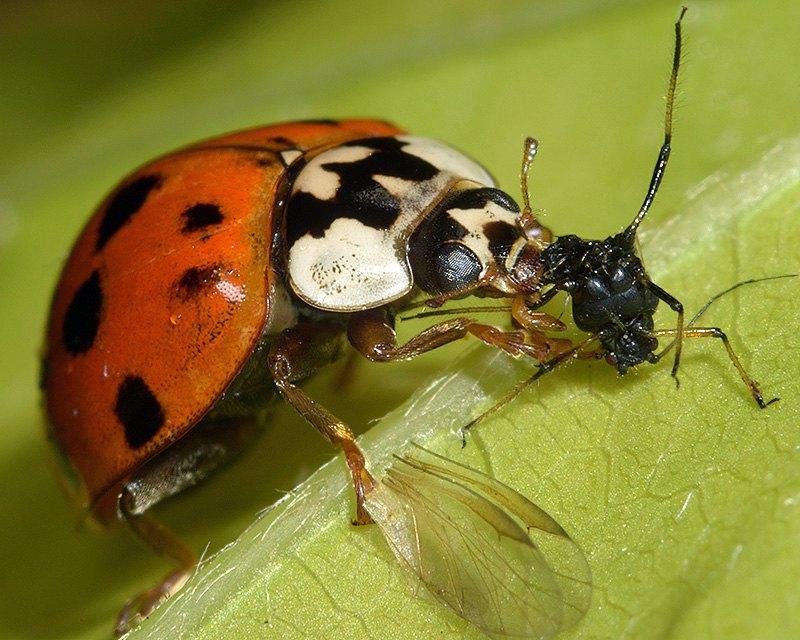
Ladybugs help reduce pest pressure without chemical pest control.
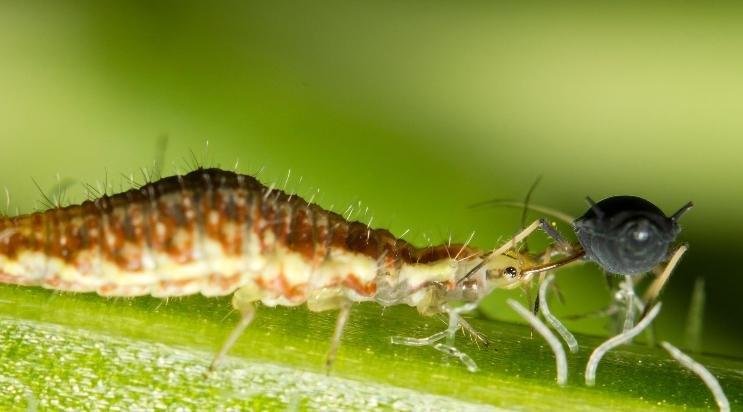
Lacewings act as biological protection for young plantings.
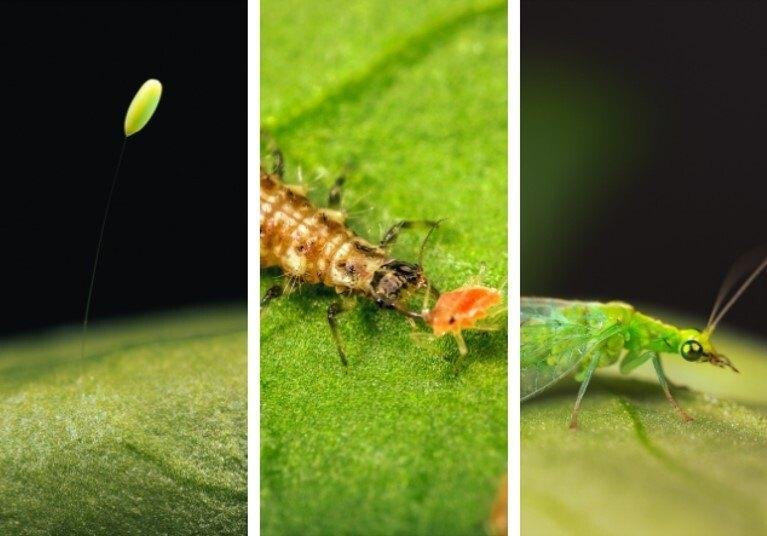
The life cycle of beneficial predatory insects maintains the balance of the system.
| View | Latin name | Type | Role |
|---|---|---|---|
| Bees | Apis spp. | insects | pollination |
| Wild bees | - | insects | pollination stability |
| Ladybugs | Coccinellidae | insects | pest control |
| Goldilocks | Chrysopidae | insects | biological protection |
| Spiders | - | predators | balance |
| This is a parasite. | - | insects | pest control |
When moisture, flowering, and shelter appear, the system moves from simple decomposition to balance: pollination, protection, population control, and stability of plantings.
desert, sand, wind
Zone 6 (2-5 km)
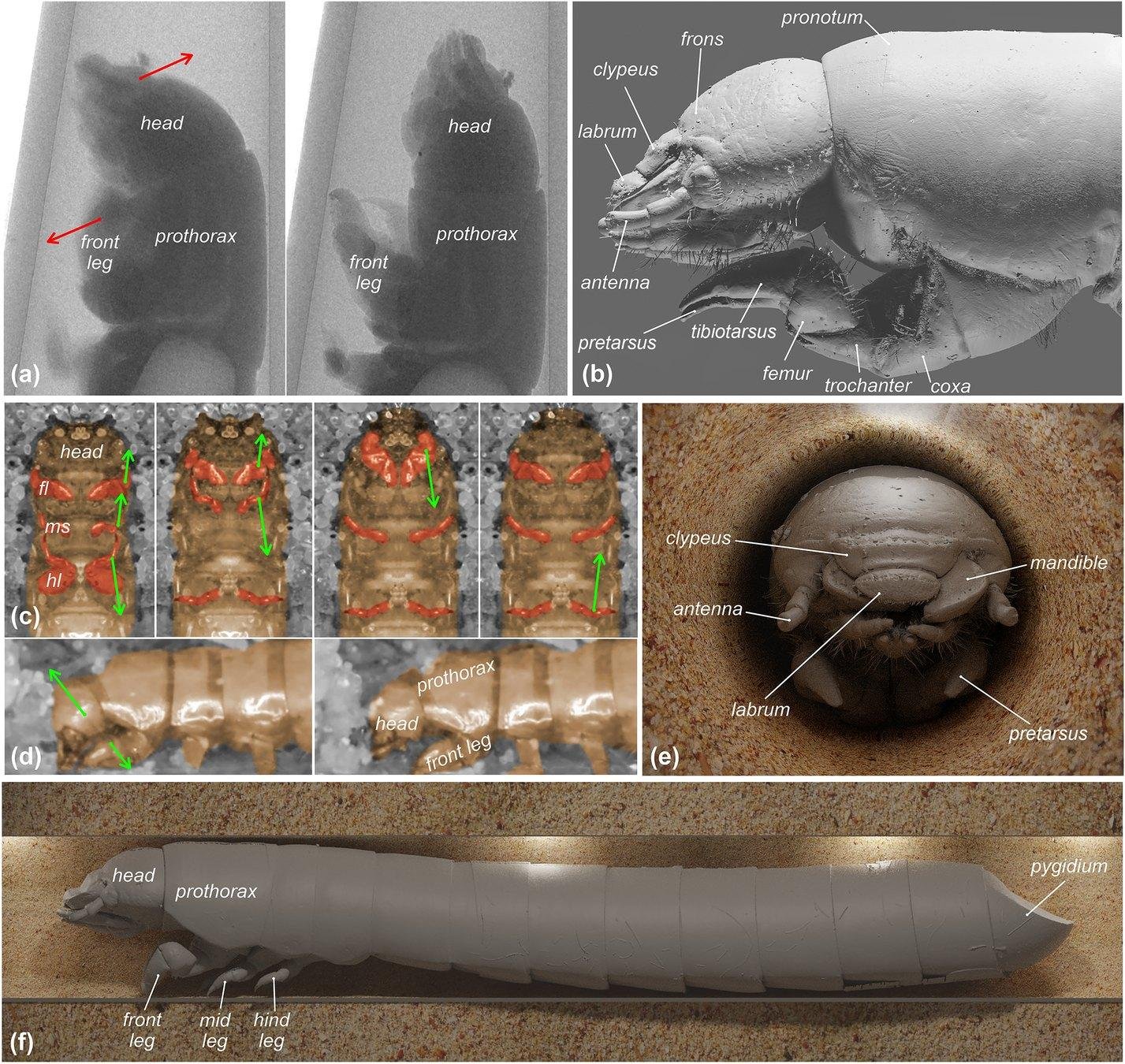
Desert beetles remain one of the basic links of decomposition in the dry zone.
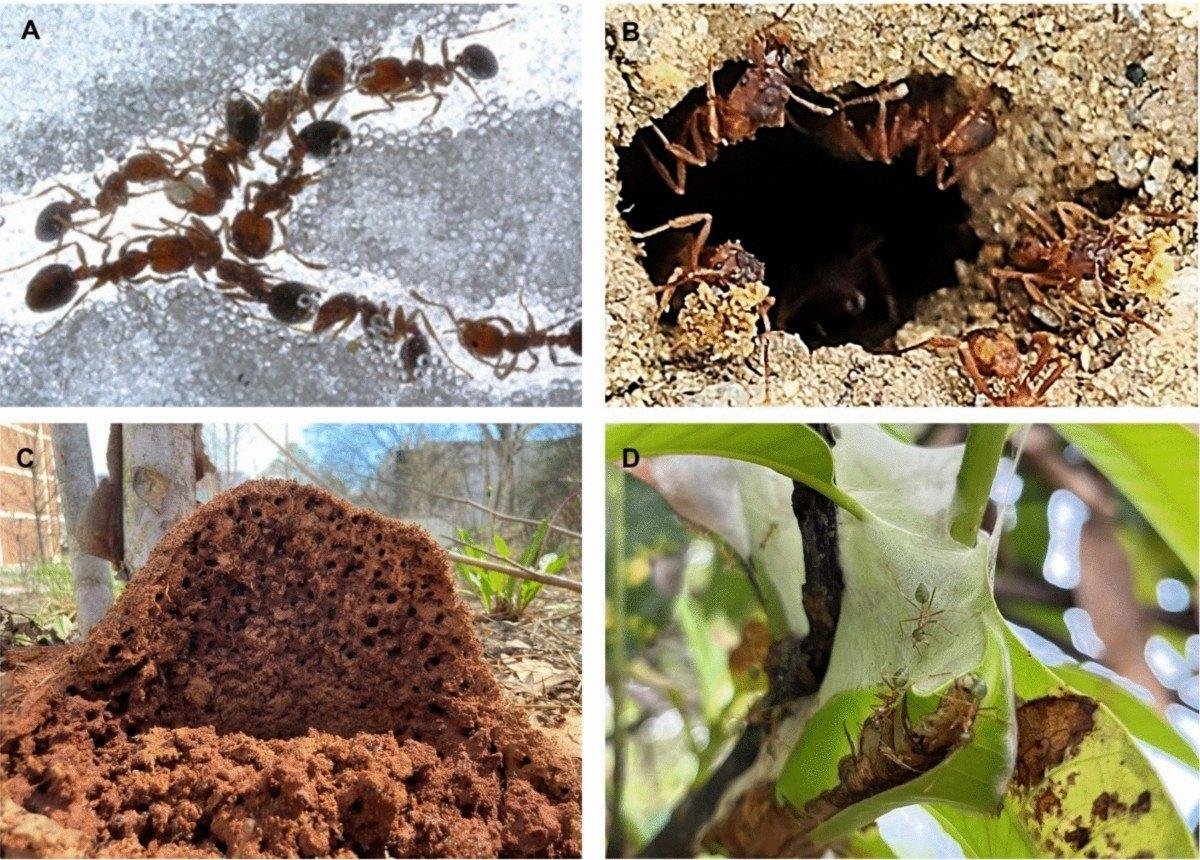
Ants maintain the structure and transport organic matter into the depths of the sand layer.
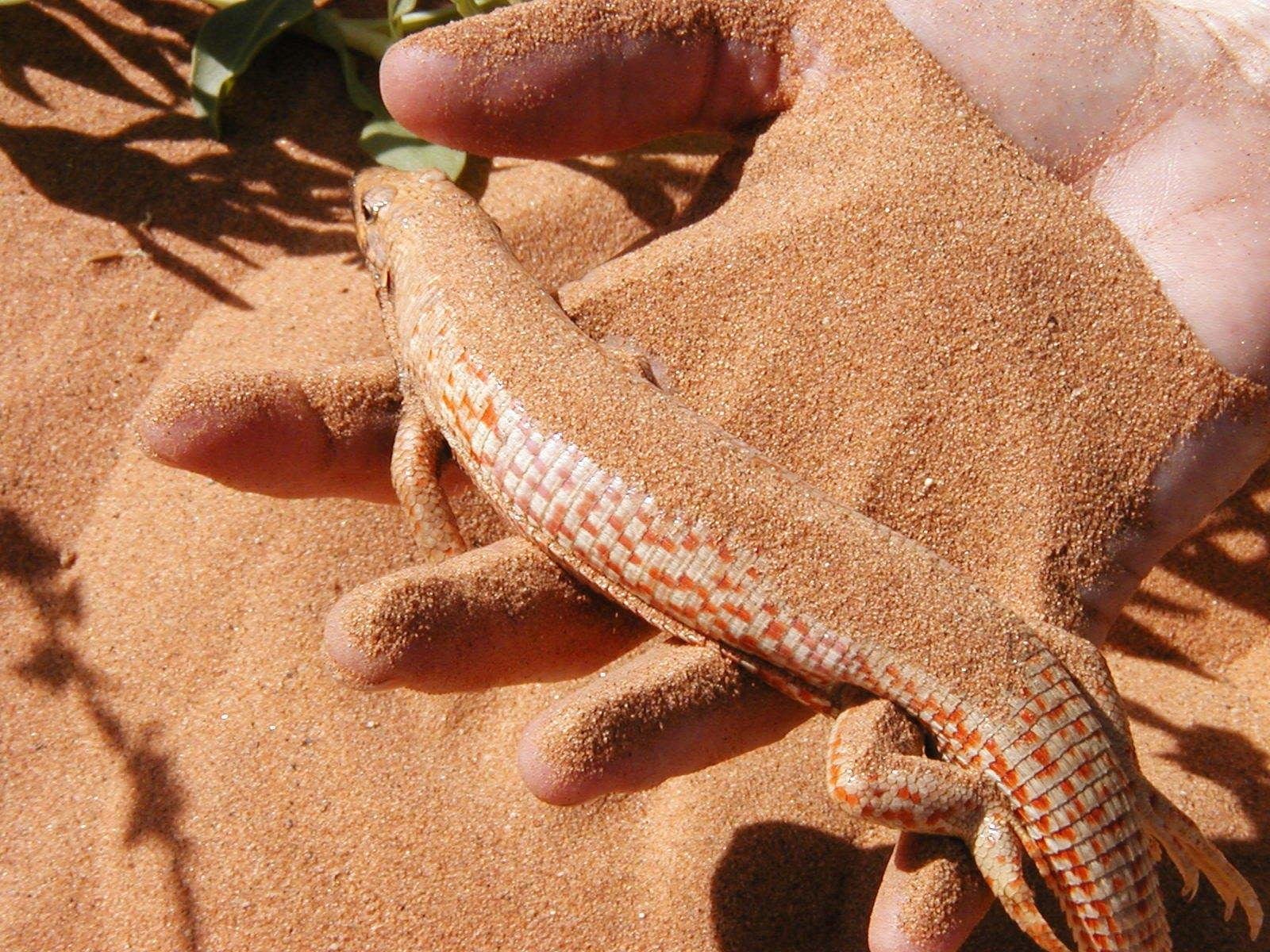
Small reptiles are part of the food web and keep insect numbers in check.
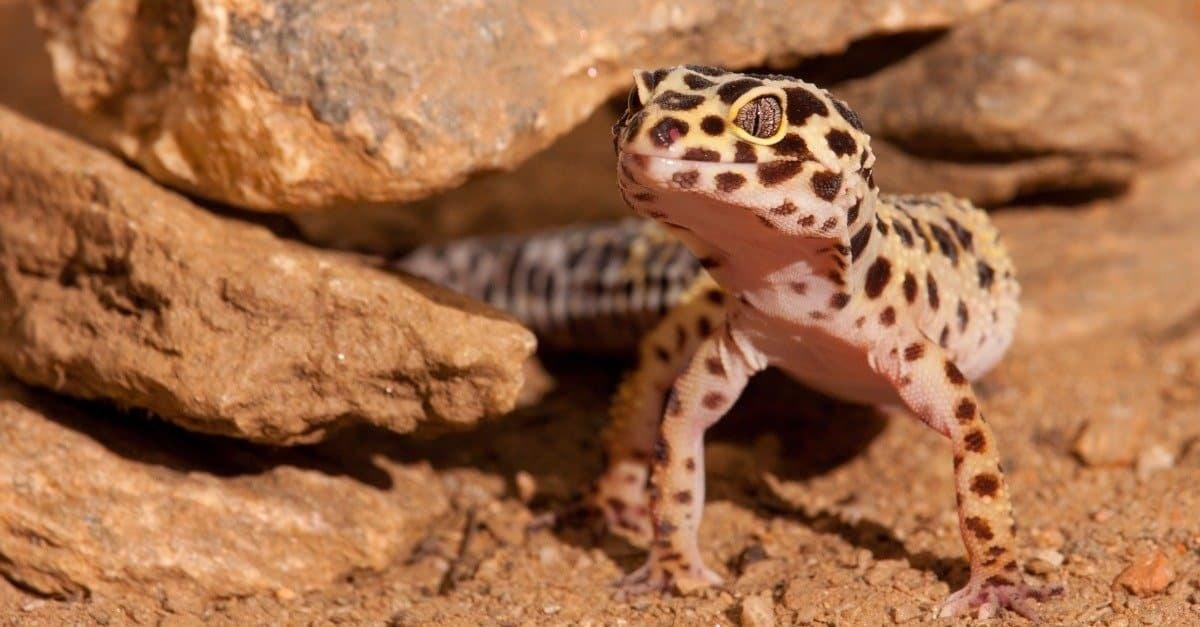
Geckos and other small predators demonstrate the maturity of their defensive front.
| View | Latin name | Type | Role |
|---|---|---|---|
| Beetles | Tenebrionidae | insects | organic waste recycling |
| Ants | Cataglyphis spp. | insects | creation of structure |
| Small rodents | - | animals | aeration and microrelief |
| Lizards | - | reptiles | insect control |
| Termites | - | insects | local processing of dry organic matter |
In zone six, fauna should not be artificially enriched. The goal here is to create the basis of an ecosystem that can tolerate dryness, sand, and wind.
Key groups
| Destroyers Worms, beetles, and bacteria convert organic matter into soil | Builders ants and termites create passages, pores and microrelief | Defenders Ladybugs, spiders, lacewings, and parasitic wasps reduce pest pressure | Pollinators Bees and wild pollinators link the green corridor with harvest and flowering |
|---|
How to attract fauna
The goal is not the chaotic introduction of organisms, but rather the creation of conditions in which local and adapted fauna can establish themselves.
compost and mulch should provide a constant source of nutrition;
stones, wood chips, roots and dry organic matter create shelters;
moisture should be retained in microzones and not disappear after one watering;
plant diversity provides flowering, shade and different types of organic matter;
Chemically aggressive treatments must be excluded or strictly limited.
The most important thing
Earthworms and active decomposers only appear where organic matter and moisture are present. Without these, they cannot survive and cannot be a stable part of the system.
The main mistake is designing a sterile planting system. If the system lacks insects, microfauna, and soil animals, it remains dependent on external maintenance.
Project formulation
Plants create the environment, microorganisms shape the soil cycle, and insects and small animals initiate life. For DREVO, this is not a decorative layer, but a working mechanism for restoring the coastal desert.