Three types of sand fixation
Sand stabilization in the DREVO project must combine long-term biology, rapid mechanical solutions, and careful soil amendments. The most sustainable results are achieved through a system in which biocrust, organic matter, microrelief, and living barriers work together.
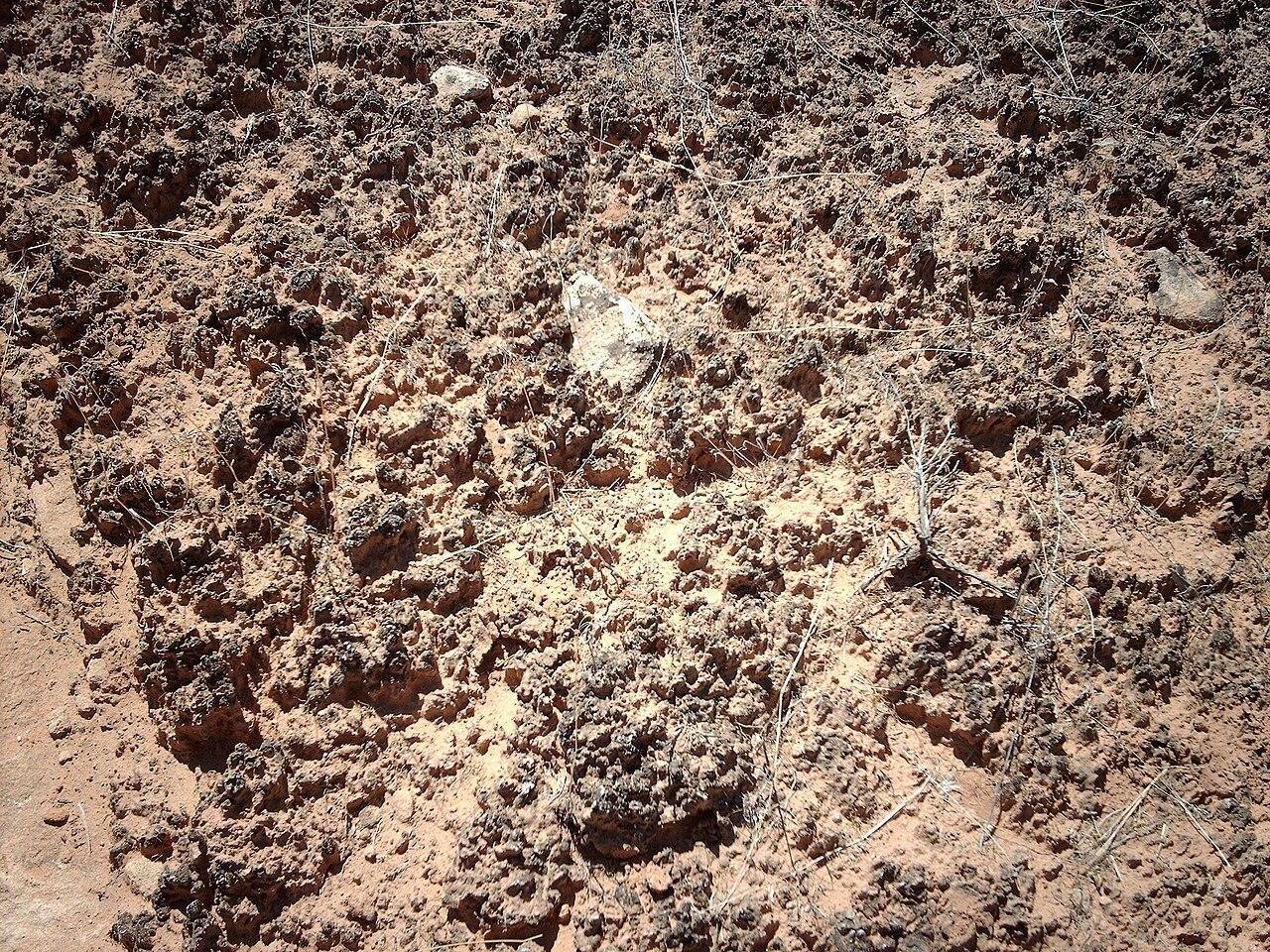
Anti-sand system
Three groups of methods
Sand can't be stopped by a single measure. A biological layer creates long-term stability, mechanical elements provide immediate results, and additives like clay, biochar, and humates accelerate structure formation.
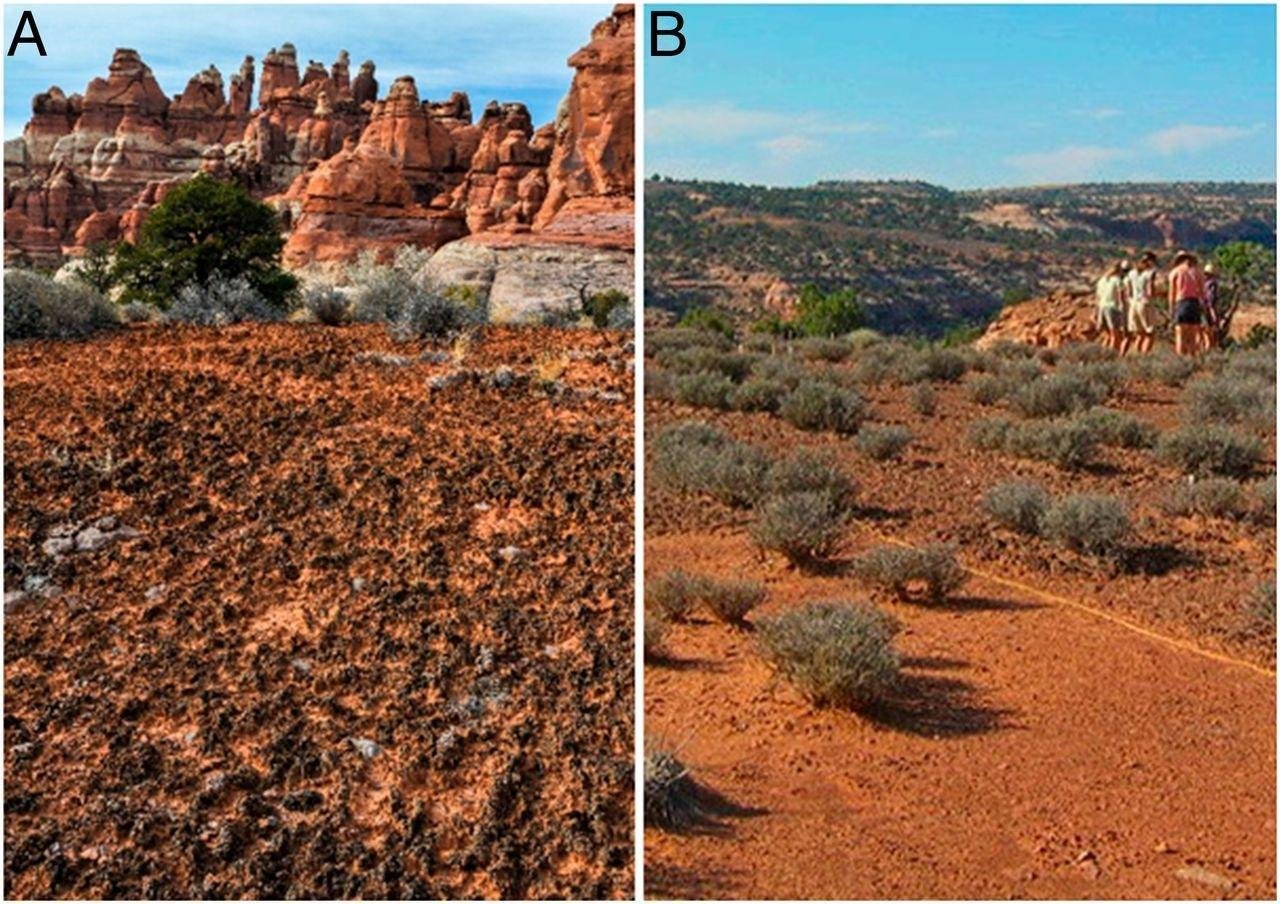
Microbiology and organic matter help retain moisture in the top layer.
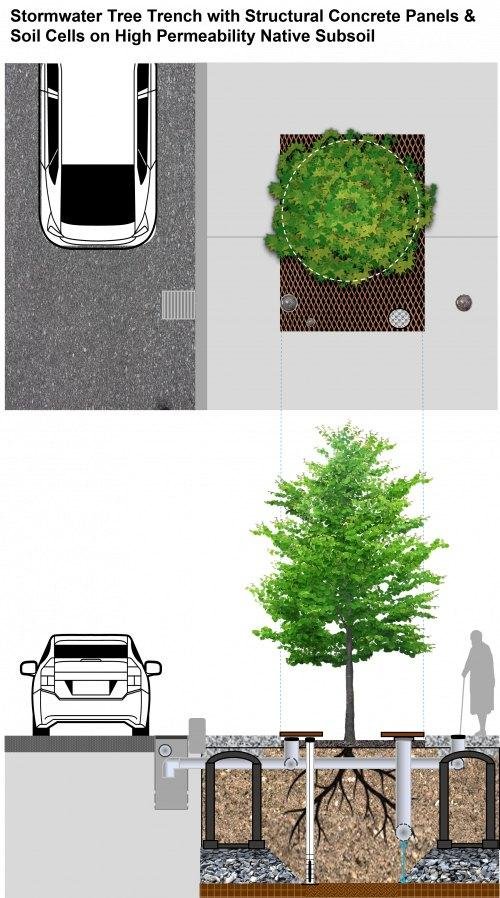
An engineering section shows how roots, water and structure work together.
Comparison of methods
| Type | Speed | Main function | Risk |
|---|---|---|---|
| Biological | slow but steady | biocrust, microflora, organic matter, roots | moisture and protection are needed at the start |
| Mechanical | fast | cells, branches, grids, microrelief | without biology it deteriorates over time |
| Soil additives | accelerating | clay, biochar, humates, natural polymers | careful dosage is needed |
1. Biological fixation
This is the best long-term layer. Cyanobacteria, lichens, microflora, organic matter, and early roots gradually bind the sand together, retain moisture, and transform the surface into living soil.
biocrust: Microcoleus, Nostoc, lichens and microflora
organics: seaweed, dry grass, manure and compost
mulch: straw, branches and dried seaweed
effect: less wind on the surface, more moisture and food for microbes
2. Mechanical fastening
Mechanics are needed first, as they reduce wind speed before biology has a chance to take hold. Suitable pilot tools include 1x1 meter cages, straw, branches, low barriers, and crosswind lines.
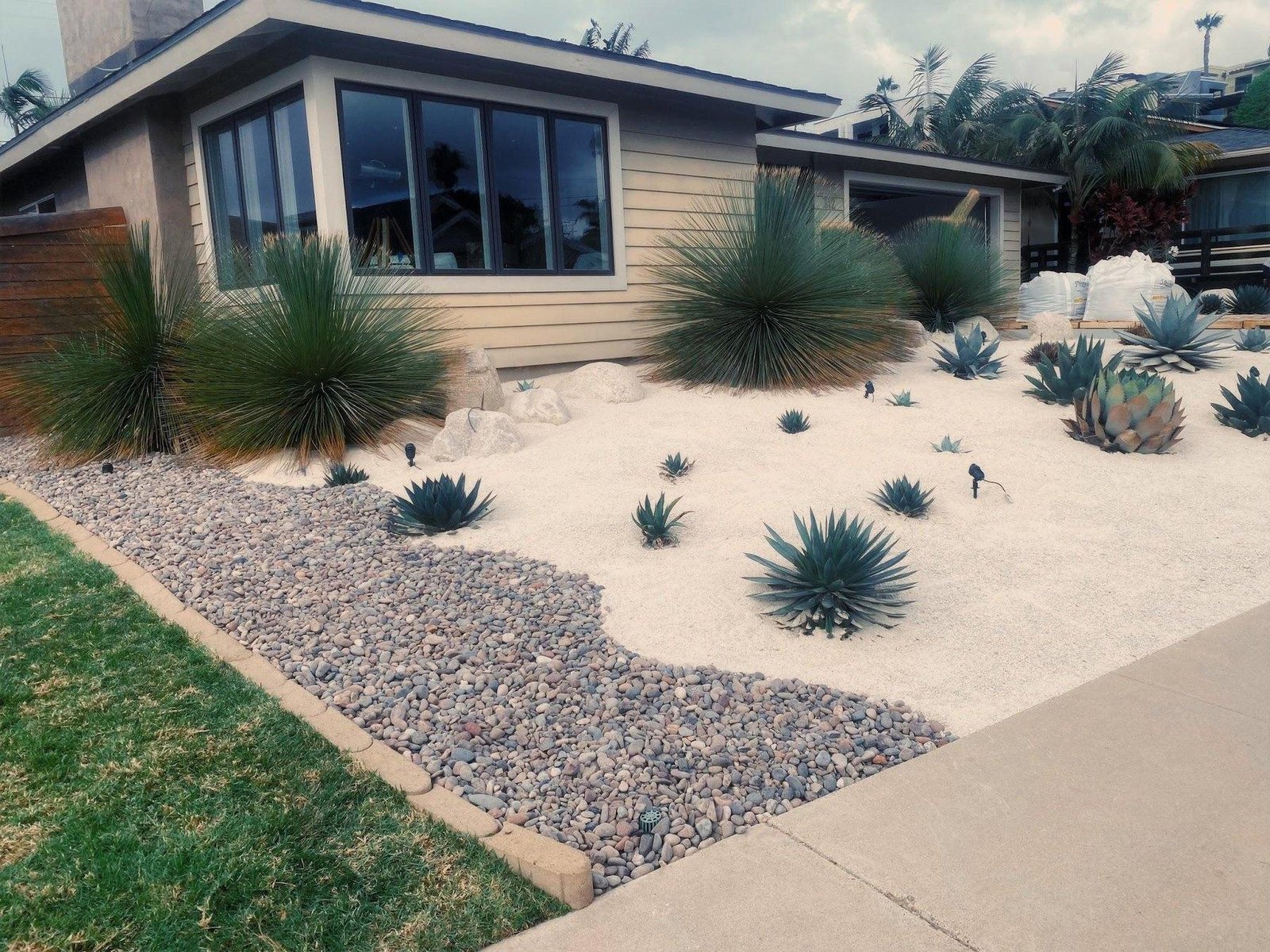
Gravel, rocks and drought-tolerant plants reduce surface movement.
3. Accelerating additives
Chemical and physical additives should not replace biology. Their purpose is to speed up the start: to bind particles, retain moisture, and create a foundation for microbes.
| Supplement | How it works | Comment |
|---|---|---|
| Clay + water | 5-15% clay binds sand particles | a cheap and underrated method |
| Biochar | retains water and creates a porous structure | useful when mixed with compost |
| Starch, molasses, humates | accelerate the adhesion and nutrition of microbes | use in moderation |
| Gypsum | may improve the structure of some soils | An analysis of the salt and soil composition is needed |
Optimal sequence
First, the mechanical components, then the organic matter, then the biocrust and the plants. If you start with just planting, wind and evaporation can destroy the system before it gets established.
create cages, microrelief and barriers across the wind
add organic matter: compost, dry grass and seaweed
moisturize and protect the surface from drying out
start a biocrust and plant resistant grasses/shrubs
Practical conclusion
For DREVO, the most powerful formula is: mechanical protection + organic matter + moisture + biocrust + roots. Mechanical protection buys time, organic matter feeds microbes, biological factors anchor the sand, and plants transform the temporary protection into a sustainable ecosystem.