Algae for food: humans and animals
The DREVO project views seaweed as more than just a fertilizer. Some species can serve as a food resource, a feed supplement, and a source of organic matter for subsequent composting. The key principle is to harvest only safely, control salt intake, and avoid using seaweed as the sole source of nutrition.
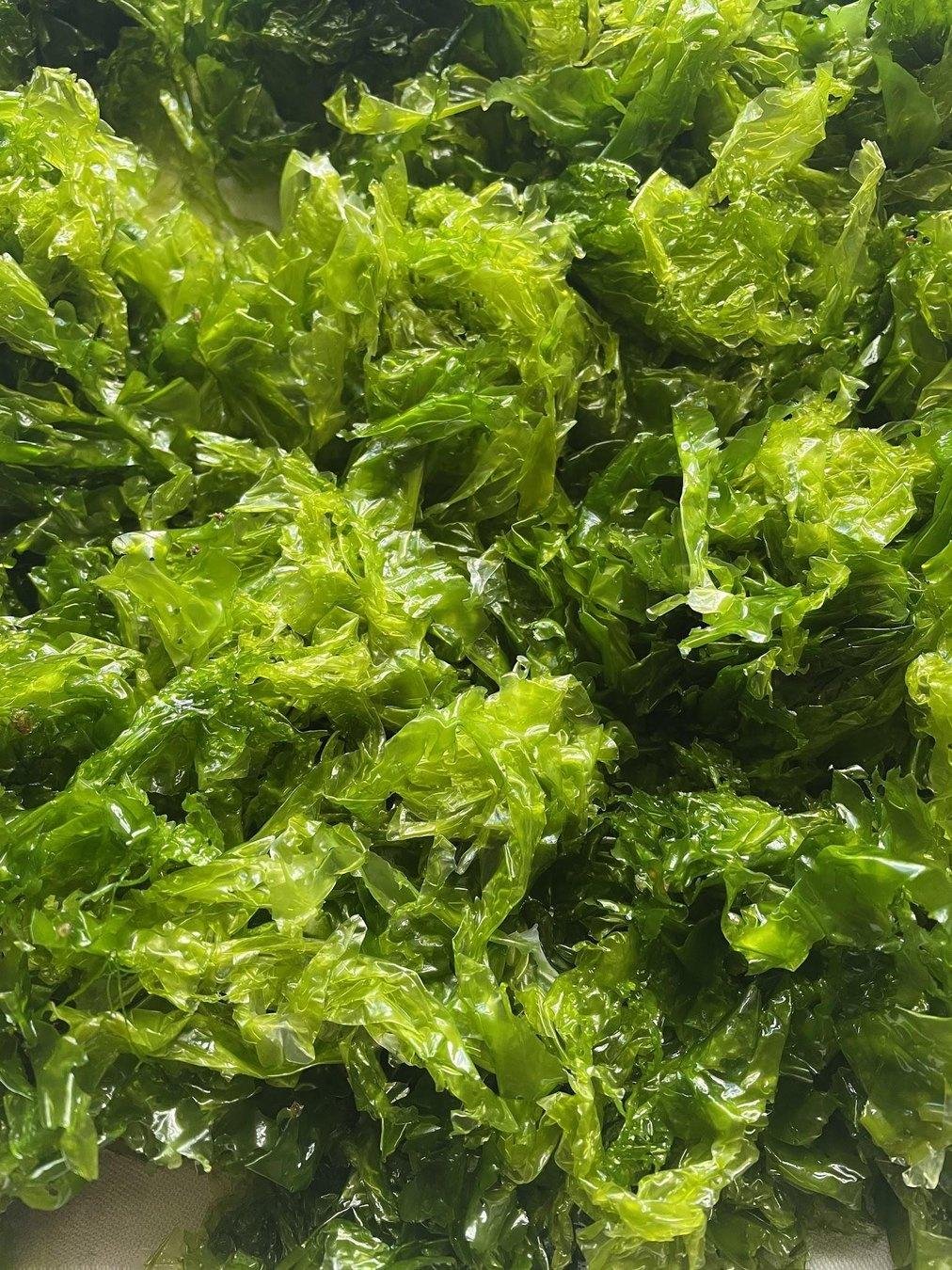
Marine bioresource
What is the safest thing to use?
For humans, the primary candidates are green and red algae: Ulva, Gracilaria, Gelidium, and Porphyra. Brown species are beneficial, but require caution due to their iodine and mineral content.
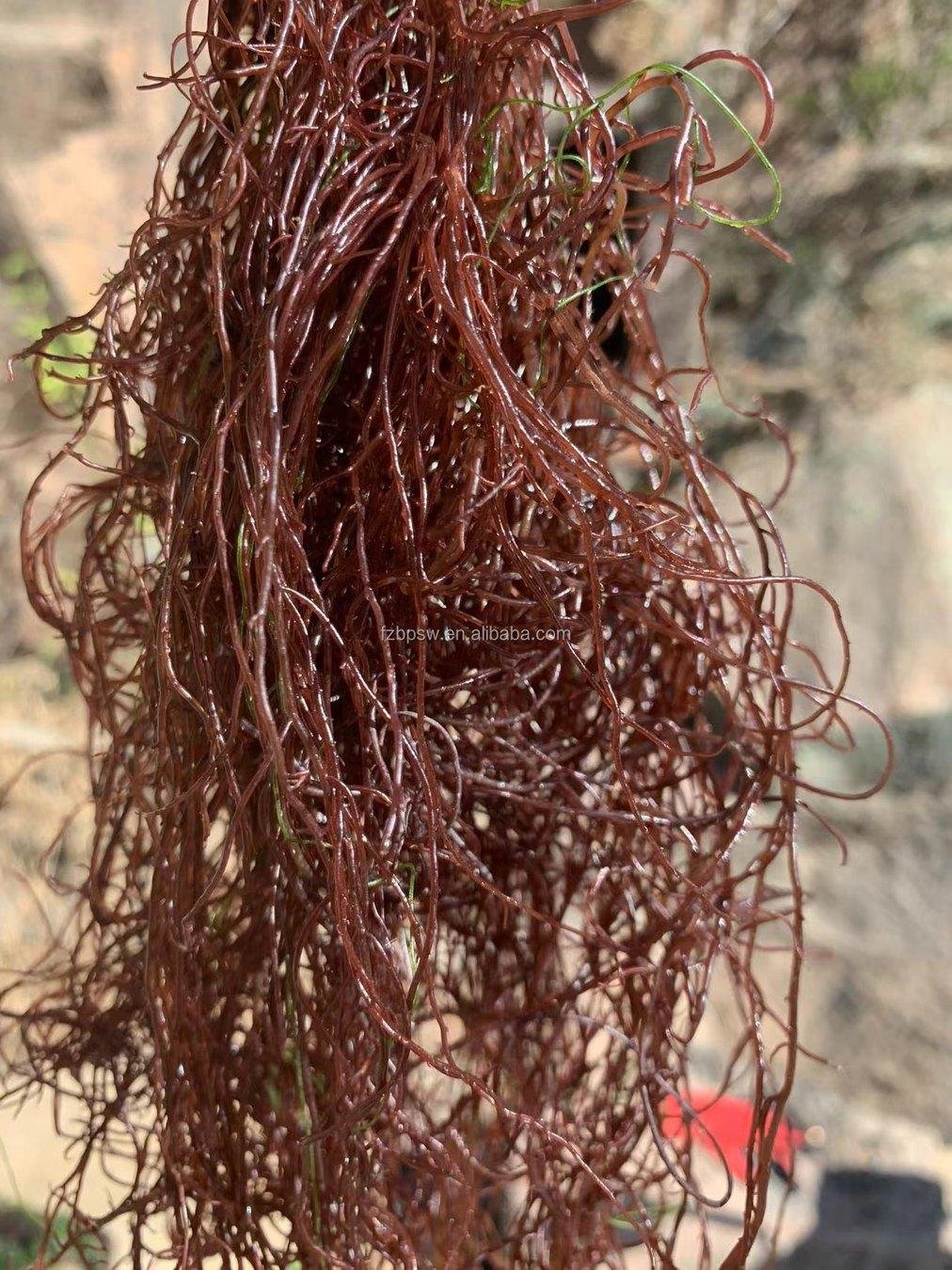
Gracilaria and related red algae are suitable for food and agar applications.
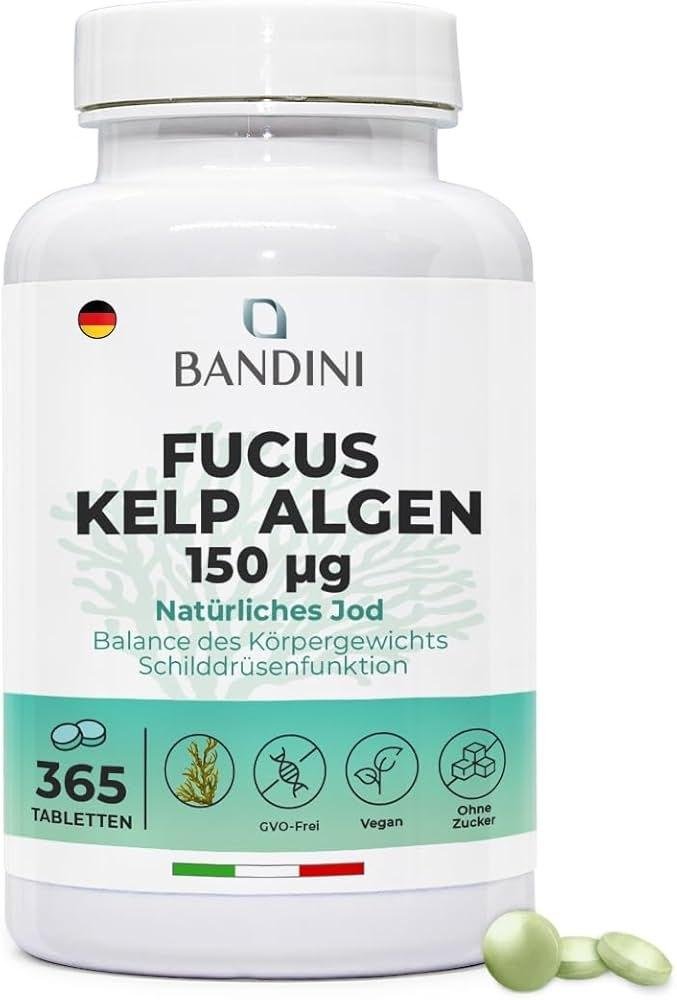
Brown algae is acceptable as an additive, but dosage control is required.
For people
These species can be considered the safest base if the collection site is clean, washed and quality controlled.
| View | Latin name | Type | How to use |
|---|---|---|---|
| Seafood salad | Ulva lettuce | green | salads, drying, additives |
| Enteromorpha | Intestinal Ulva | green | soups, additives, dried mass |
| Gracilaria | Gracilaria spp. | red | agar, food product, compost residue |
| Cold | Gelidium spp. | red | agar, limited food use |
| Porphyra / burrows | Porphyra spp. | red | dried food product in the presence of culture |
Practical conclusion: for food use, first select Ulva and Gracilaria, and send all the remains to the compost chain.
Conditionally food additives
Brown algae are valuable as a source of minerals, but they should not be used uncontrollably. They are only suitable for human consumption in small quantities and after inspection of the collection site.
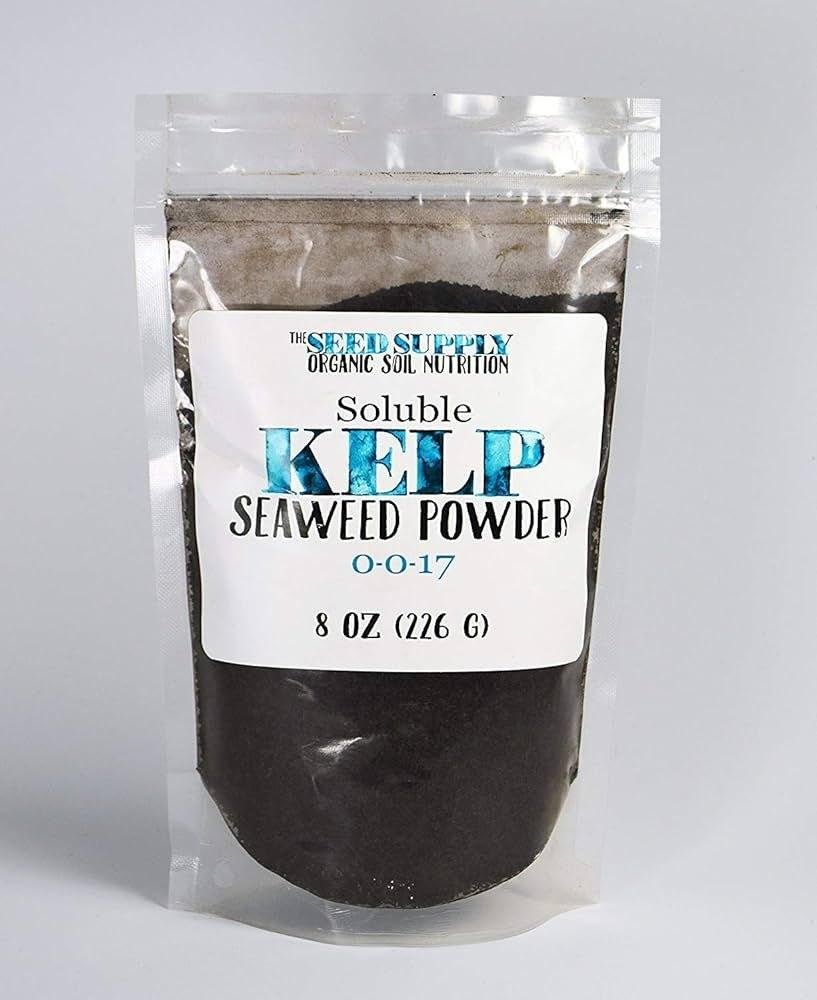
Fucus: a mineral supplement, not a staple food.
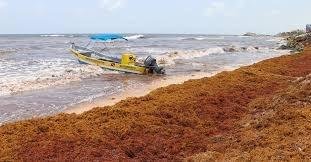
Ascophyllum: most often used as an additive and raw material for biostimulants.
| View | Latin name | Type | Peculiarity |
|---|---|---|---|
| Fucus | Fucus spp. | brown | a lot of iodine, careful dosage is needed |
| Ascophyllum | Ascophyllum nodosum | brown | additives, biostimulants, compost |
| Sargassum | Sargassum spp. | brown | valuable for minerals, but requires control |
For animals
The forage application is particularly beneficial for goats, sheep, and other livestock in the pilot system. The algae provide minerals, support animal health, and return residues to the soil-forming cycle.
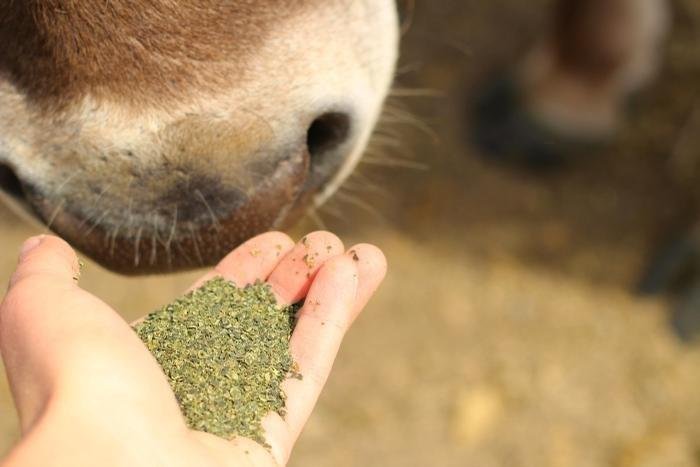
Brown algae as a raw material for feed mineral additives.
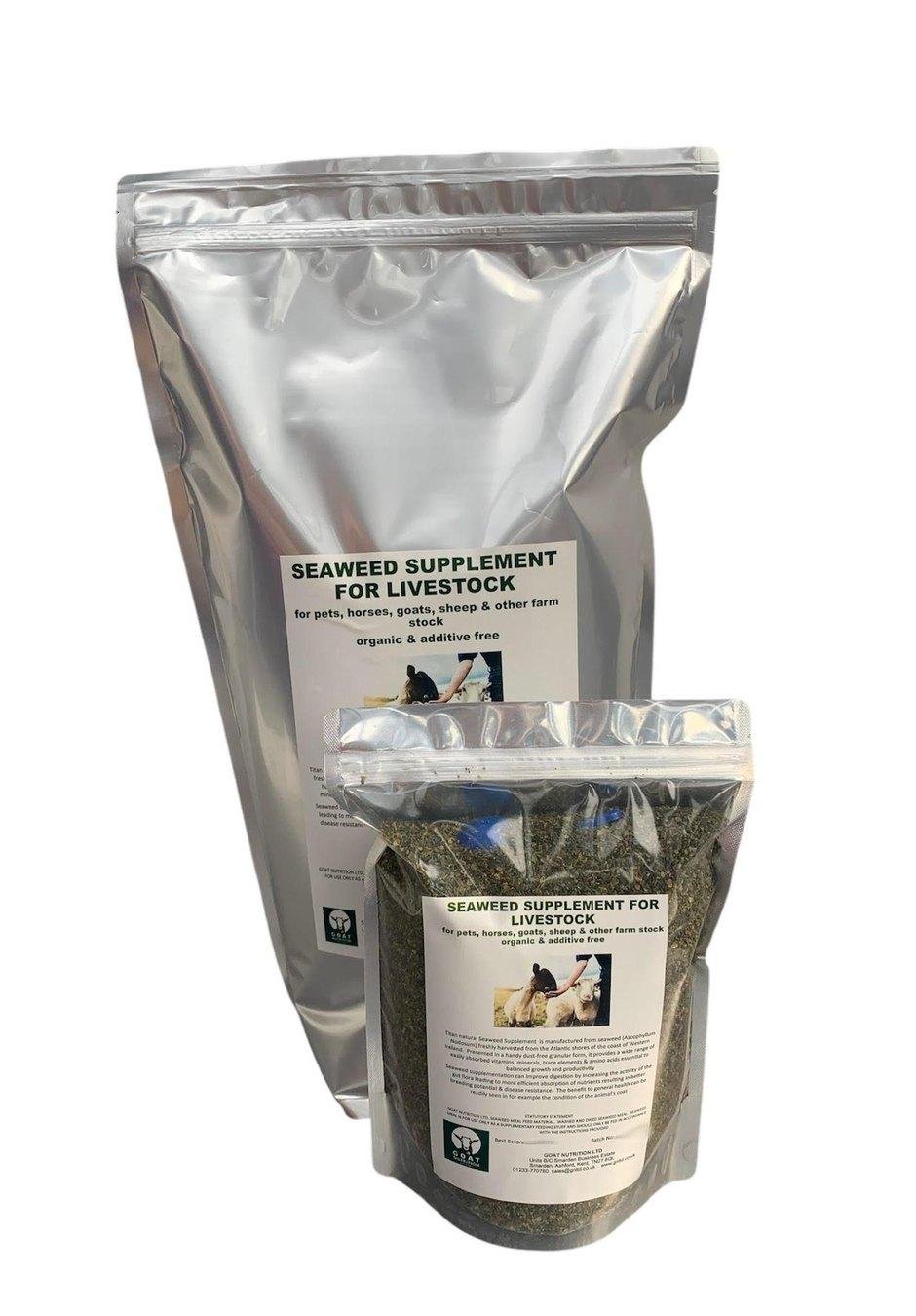
Ready-to-use feed additive based on seaweed.
| View | Latin name | Type | For whom |
|---|---|---|---|
| Sargassum | Sargassum spp. | brown | goats, sheep, feed additive |
| Kelp | Laminaria spp. | brown | cattle, mineral supplement |
| Fucus | Fucus spp. | brown | dosage control supplement |
| Turbinaria | Turbinaria spp. | brown | feed and compost |
| Ulva | Ulva spp. | green | universal: people, animals, compost |
The best all-rounders
| View | Latin name | Usage |
|---|---|---|
| Ulva | Ulva spp. | people, animals, compost, liquid fertilizer |
| Gracilaria | Gracilaria spp. | people, compost, organic matter structure |
| Sargassum | Sargassum spp. | animals, compost, minerals |
| Seaweed | Fucus spp. | additive, compost, biostimulants |
Safety rules
Salt: Seaweed must be washed or dried before use.
Pollution: Do not take raw materials near ports, urban drains and intensive shipping.
Quantity: Use brown algae in small doses due to iodine and high concentration of substances.
Cycle: food and feed scraps are returned to the compost rather than thrown away.
The ideal scheme for DREVO is: algae → food or feed → scraps → compost → soil → plants.
Practical conclusion
Ulva and Gracilaria are the best starter species for food production. Sargassum, Laminaria, Fucus, and Ascophyllum are better suited for animal feed, compost, and mineral supplements. In the design logic, this creates a closed-loop approach to the use of marine bioresources.