Core species for the starting corridor
Proven species for a coastal green corridor: a salt-tolerant framework, deep roots, a shrub layer, and controlled experiments.
The starting corridor begins with the core
The first phase shouldn't be a collection of every possible plant. A coastal planting requires a resilient core: species that tolerate salt, wind, drought, shifting sand, and poor soil.
This core creates a living framework: it reduces wind speed, stabilizes sand, provides shade, promotes organic accumulation, and prepares space for fruit and other more demanding crops. Species are selected not for their decorative value, but for their role in the system: front row, deep moisture, shrub protection, soil, and controlled experiments.
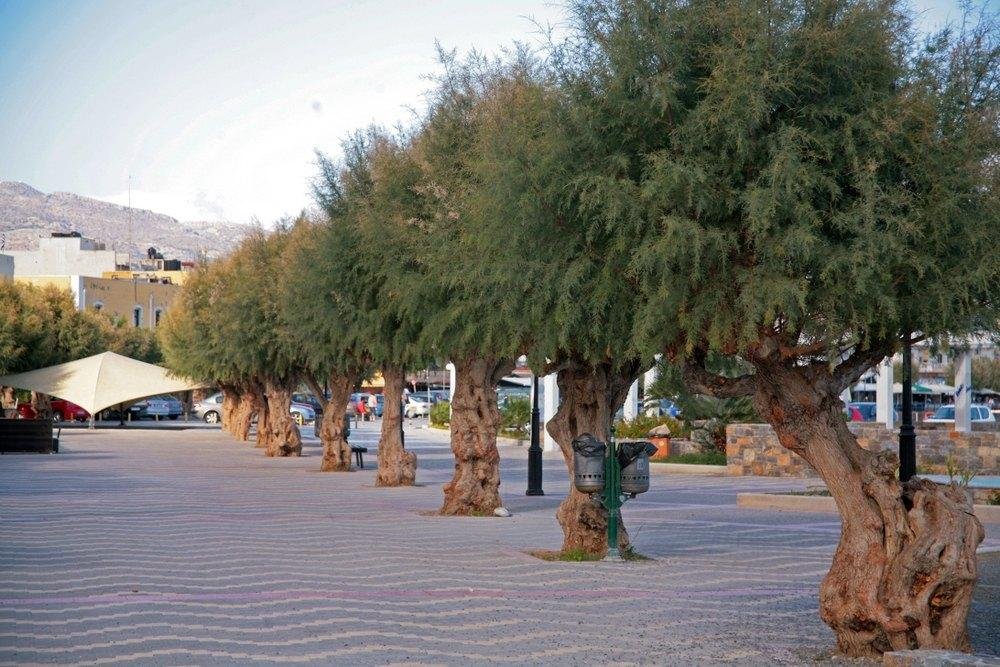
Tamarisk is a prime candidate for a salty and windy front line.
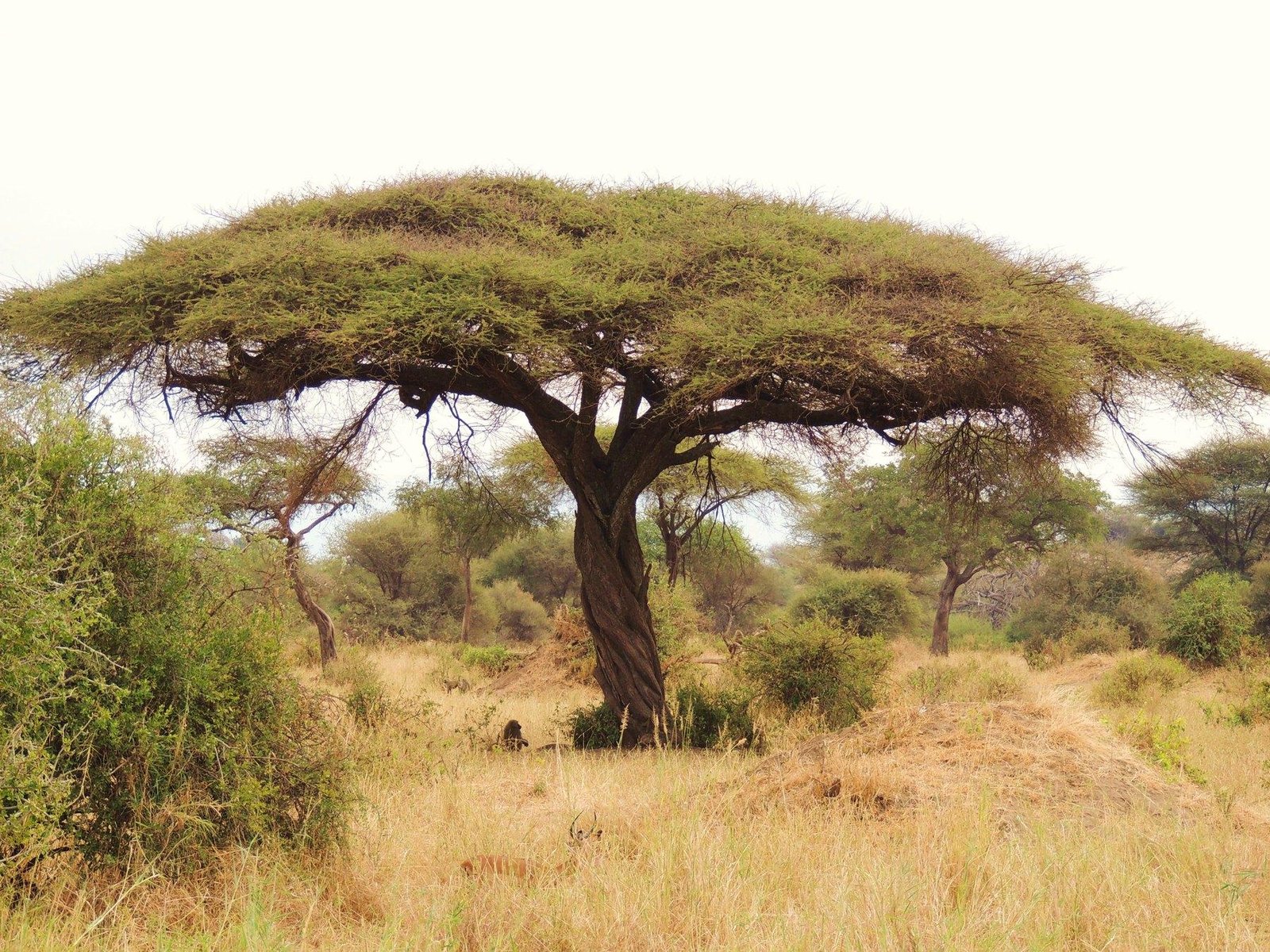
Acacias provide deep roots, shade and stability to the interior zone.
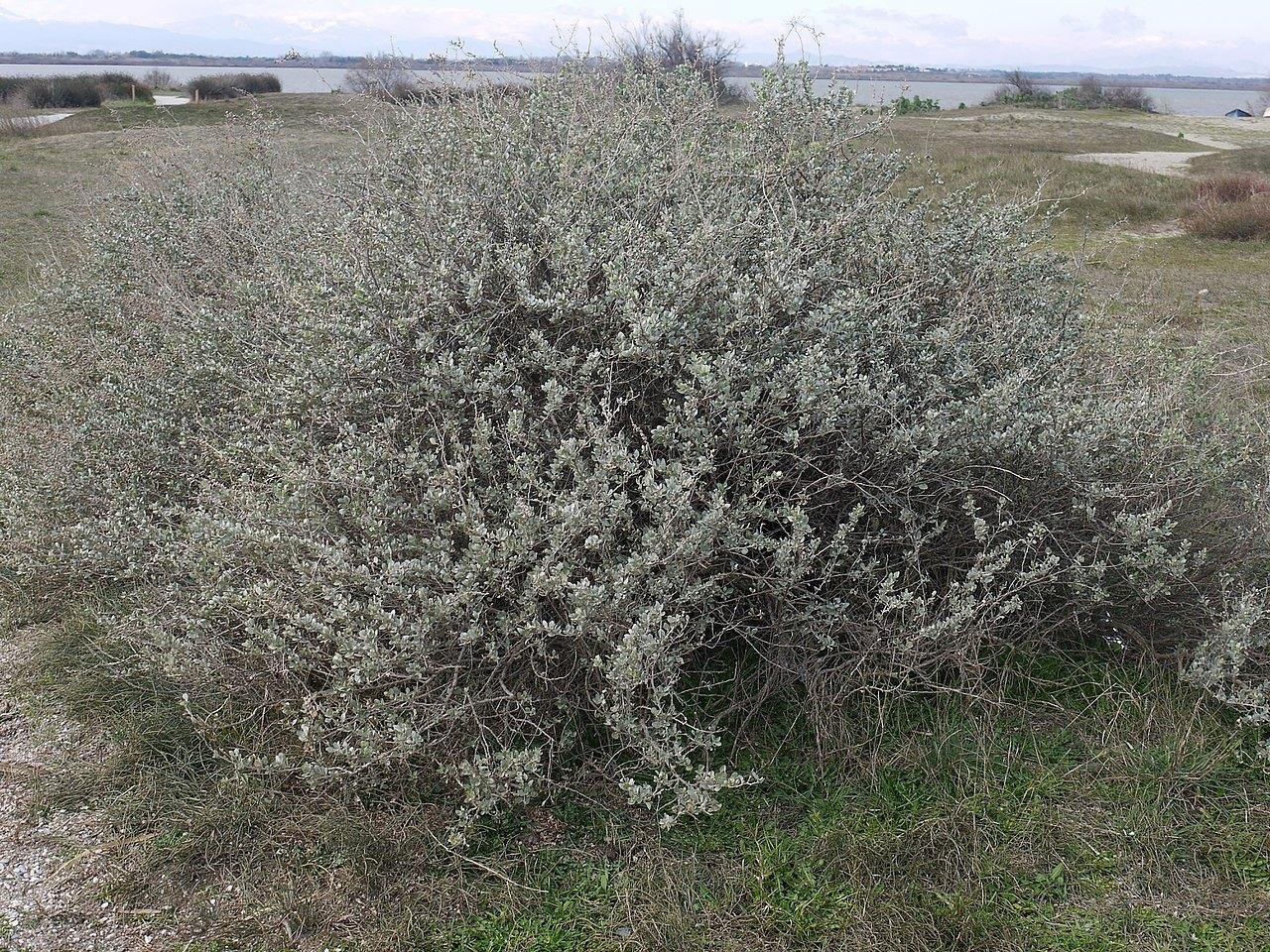
Atriplex covers the bottom layer, works with salt and retains the soil surface.
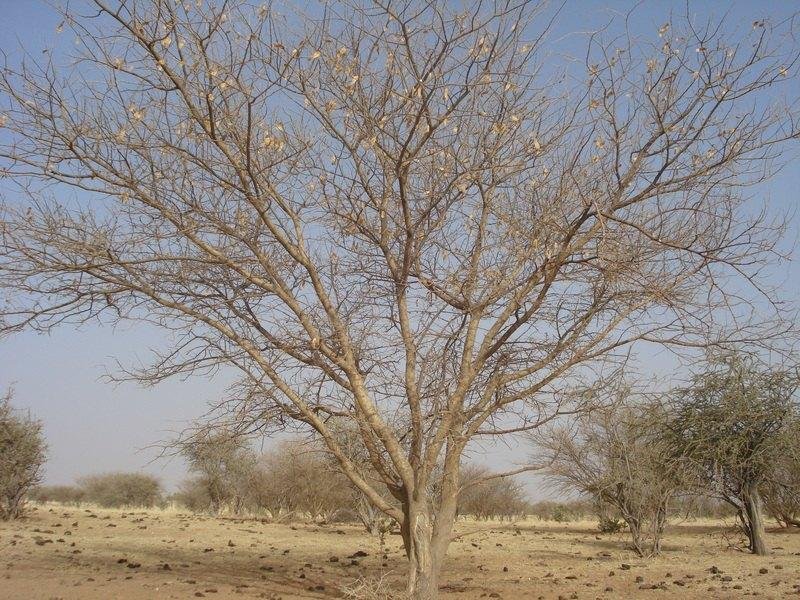
Balanites is suitable for dry interior areas and display plantings.
Basic core for the pilot
These species form a minimal starter kit. Their purpose isn't to immediately create a garden, but to stabilize the site, reduce moisture loss, and prepare the ground for subsequent stages.
| View | Latin name | Role | Why is it important? |
|---|---|---|---|
| Tamarisk | Tamarix aphylla, T. gallica, T. africana | salt and wind first line | transports salt and wind, stabilizes dunes, creates a living windbreak |
| Acacias | Vachellia tortilis, Senegalia senegal, Vachellia ehrenbergiana | deep moisture and the second tier | form root support, provide shade and help the soil through nitrogen-fixing bonds |
| El Salvador | Salvadora persica | salty areas and hedges | Suitable for saline areas and can act as a dense shrub barrier |
| Atriplex | Atriplex halimus | lower salt barrier | covers the bare surface, holds salt and helps create the first soil layer |
Strong complements
These species are not the first line for the harshest area, but become valuable after partial protection from the wind, the appearance of microrelief and more stable moisture.
| View | Latin name | Conditions of use | Effect |
|---|---|---|---|
| Date palm | Phoenix dactylifera | underground moisture or regular start-up watering | creates an upper tier, shade and economic product |
| Ziziphus | Ziziphus spina-christi, Z. mauritiana | protected inner zone | a hardy fruit tree for dry climates |
| Balanites | Balanites aegyptiaca | dry interior areas | tolerates extreme drought and strengthens the tree frame |
| Caper tree | Deciduous capers | ultra-dry zones with minimal shade | a nearly leafless species with low transpiration |
Transitional species and risk control
Some plants can produce rapid results, but require caution. The DREVO project only allows these species to be used in test units where growth, water consumption, and risk of spread can be measured.
| View | Strong point | Risk | Solution |
|---|---|---|---|
| Prosopis | extremely deep roots and high survival rate | may become invasive | only closed testing sites and strict monitoring |
| Casuarina | fast windbreak, salt and wind tolerance | may displace local species | use locally, not as a mass base |
| Eucalyptus | fast growth and deep roots | high water consumption | not a basic type; only acceptable with water balance |
| Parkinsonia | quick start, shade and drought tolerance | active distribution | test locally and do not release without control |
| Moringa, Tecomella, Haloxylon | promising drought-resistant candidates | local testing is needed | move to experimental list, not to core |
How to assemble a system
The practical minimum is: Tamarix + Acacia + Atriplex, with Prosopis allowed only as an optional controlled test. This isn't a "garden of everything," but a sequence of layers.
Salt and wind
Tamarisk and, in some places, casuarina take on the first load of the coast.
Depth
Acacias and individual Prosopis tests work where root support is needed.
Soil
Atriplex and shrub layer cover the sand and retain organic matter.
Addition
Ziziphus, balanites and date palm are introduced after the site has been stabilized.
The main conclusion: 80% of success depends not on the rare species, but on sand retention, moisture retention, and wind protection. Trees begin to reliably utilize deep-seated moisture only after the root system has formed, usually after 1–3 years.