A strict list of missing factors
A checklist of factors without which a green corridor may look right on paper but fail in the field.
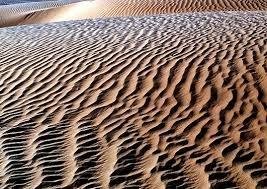
System check
The remaining 20% decide everything
A project can't be assessed solely by its plant list. Without consideration of wind, topography, water retention, logistics, and maintenance, the system could collapse before it can become self-sustaining.
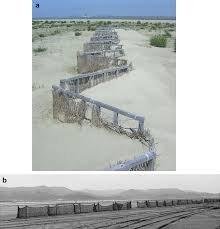
The surface must not only support the plants, but also slow down the transfer of sand.
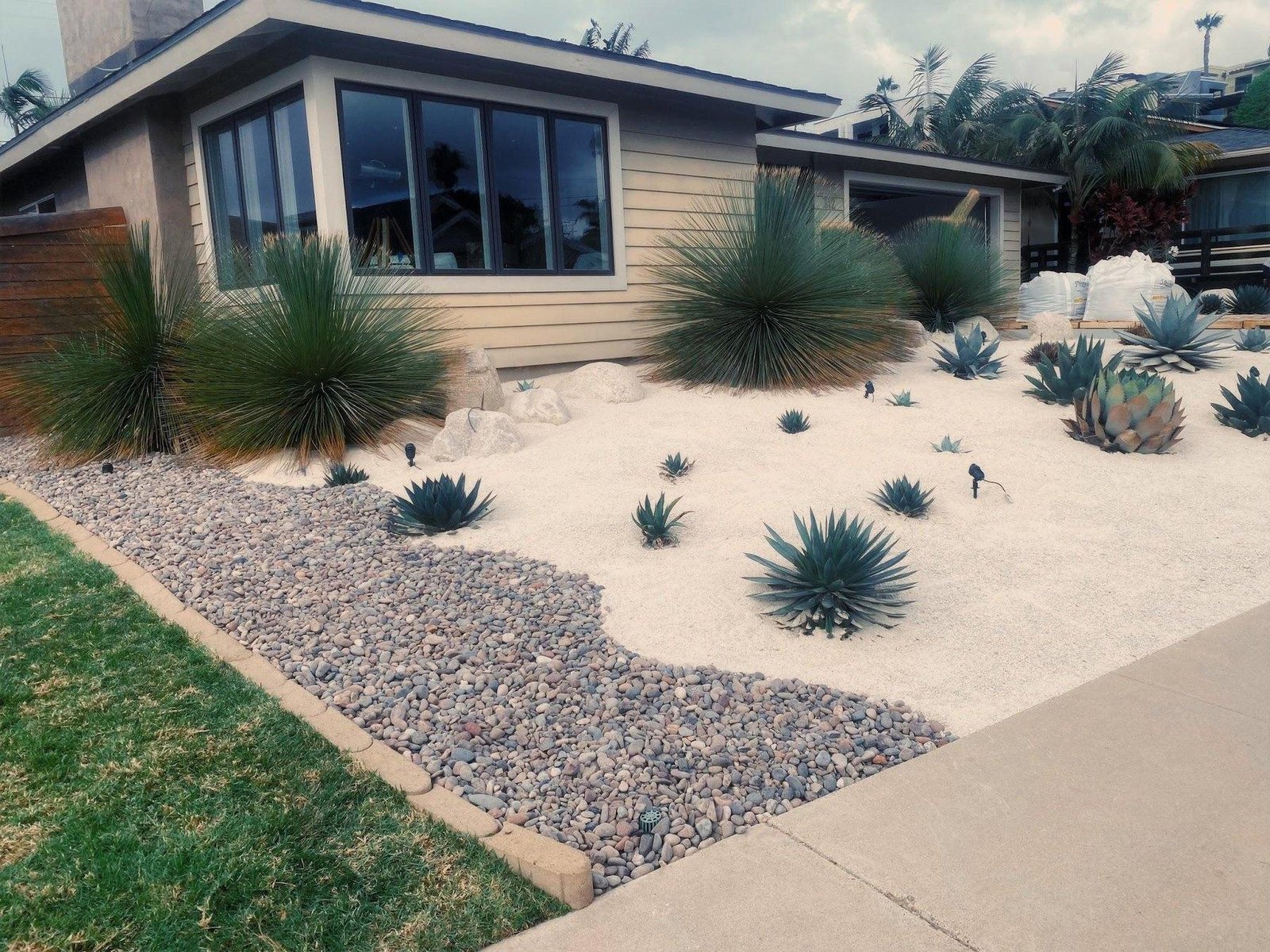
Stones, mulch and microrelief act as passive moisture protection.
Critical factors
| Factor | What to check | Risk of ignoring |
|---|---|---|
| Water | retention, distribution, accumulation, infiltration | the water is leaving, the plants are dying |
| Wind | crosswind strips, multi-level barriers | sand returns and fills the system |
| Soil temperature | mulch, stones, shade, root protection | overheating and loss of moisture |
| Stones | night condensation, wind protection, thermal mass | cheap stabilization resource is lost |
| Mist and Condensation | nets, fog traps, stone structures | free water is not used |
| Microreservoirs | wet spots, small storage tanks, bio-points | life starts slowly |
| Logistics | delivery of materials, distribution, maintenance | the project is breaking down organizationally |
| Self-reproduction | seeds, nursery, local staff | the system depends on external support |
Three stages instead of one jerk
stabilization: wind, sand, microrelief and the first protective strips
Soil: organic matter, biocrust, microbes, moisture retention
Products: trees, shrubs, grasses, pasture and agroforestry layer
The main conclusion
DREVO shouldn't just be a planting, but a management of the environment: water + wind + terrain + microclimate + processes. Without this, plants remain isolated objects, not a system.