Economic model of the 30 km project
The DREVO project should be viewed not as a single agricultural business, but as an ecosystem of income: water creates soil, soil supports plants, plants provide products, services and new economic value.
Logic of the model
Not one income, but a connected system
The 30-kilometer corridor's economy is built as a chain: water → soil → plants → food → cash. In the initial stages, the project creates sustainability and infrastructure, then includes a nursery, algae, agricultural production, eco-products, and carbon-based mechanisms.
The key principle: the first income should come from more than just the harvest. Seedlings, algae, grants, demonstration value, and land restoration all come into play before mature trees begin to produce stable commercial results.
Initial investment for 30 km
The calculation uses a working cost of approximately €80,000 per kilometer. For 30 kilometers, this yields a basic infrastructure cost of approximately €2.4 million, plus the algae and production facilities.
| Block | Rating | Why is it needed? |
|---|---|---|
| Basic corridor 30 km | about €2.4 million | sand protection, microrelief, water, soil, greenhouses, planting material |
| Algae and bioresources | 300 000-800 000 € | raw materials for fertilizers, feed, additives and soil formation |
| General start | 2.7-3.2 million € | Full-scale launch of 30 km as a managed infrastructure |
| Active zone area | about 300 hectares | 30 km long with an active width of approximately 100 m |
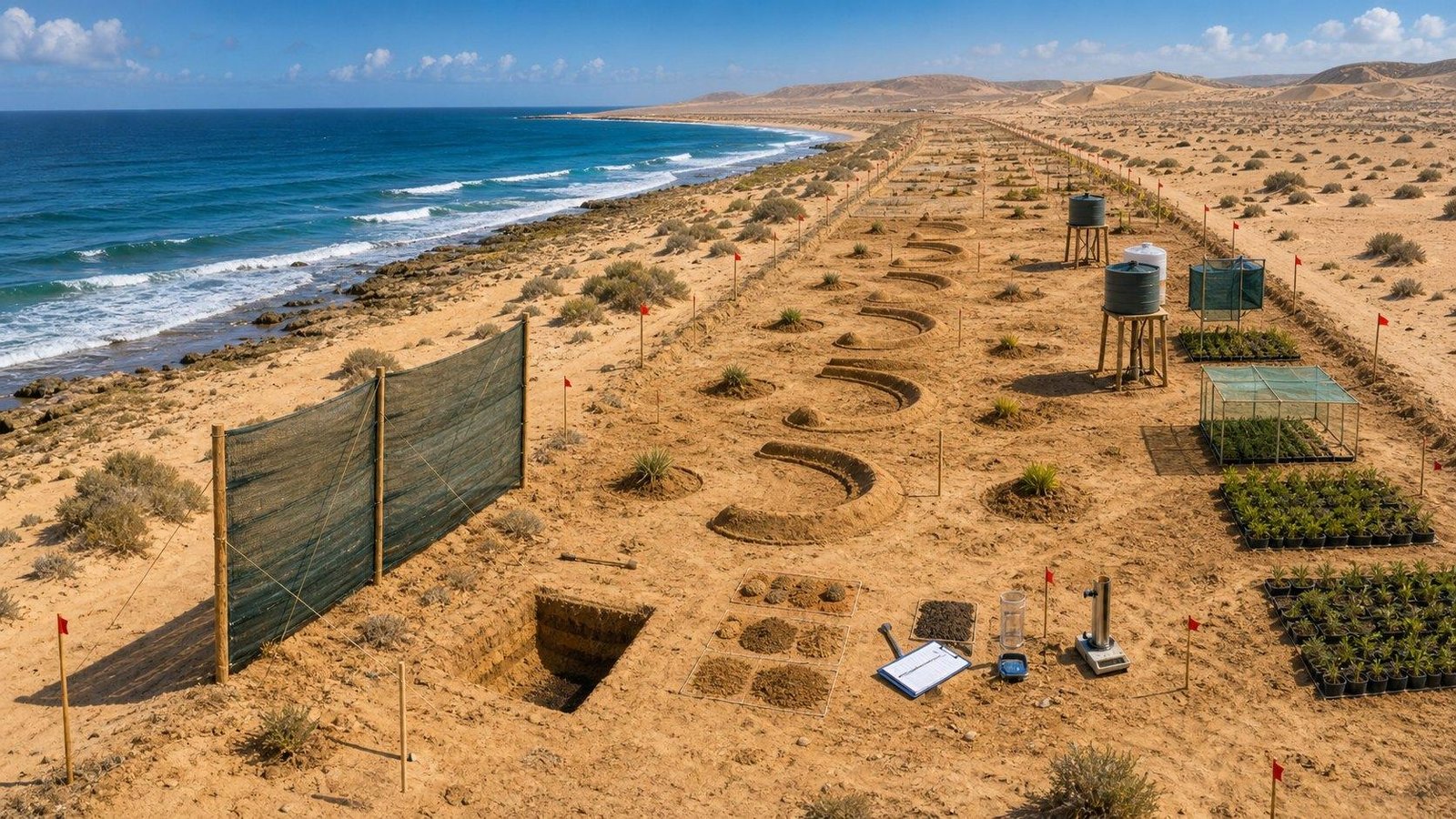
Scaling begins with a proven pilot site and is expanded to 30 km in stages.
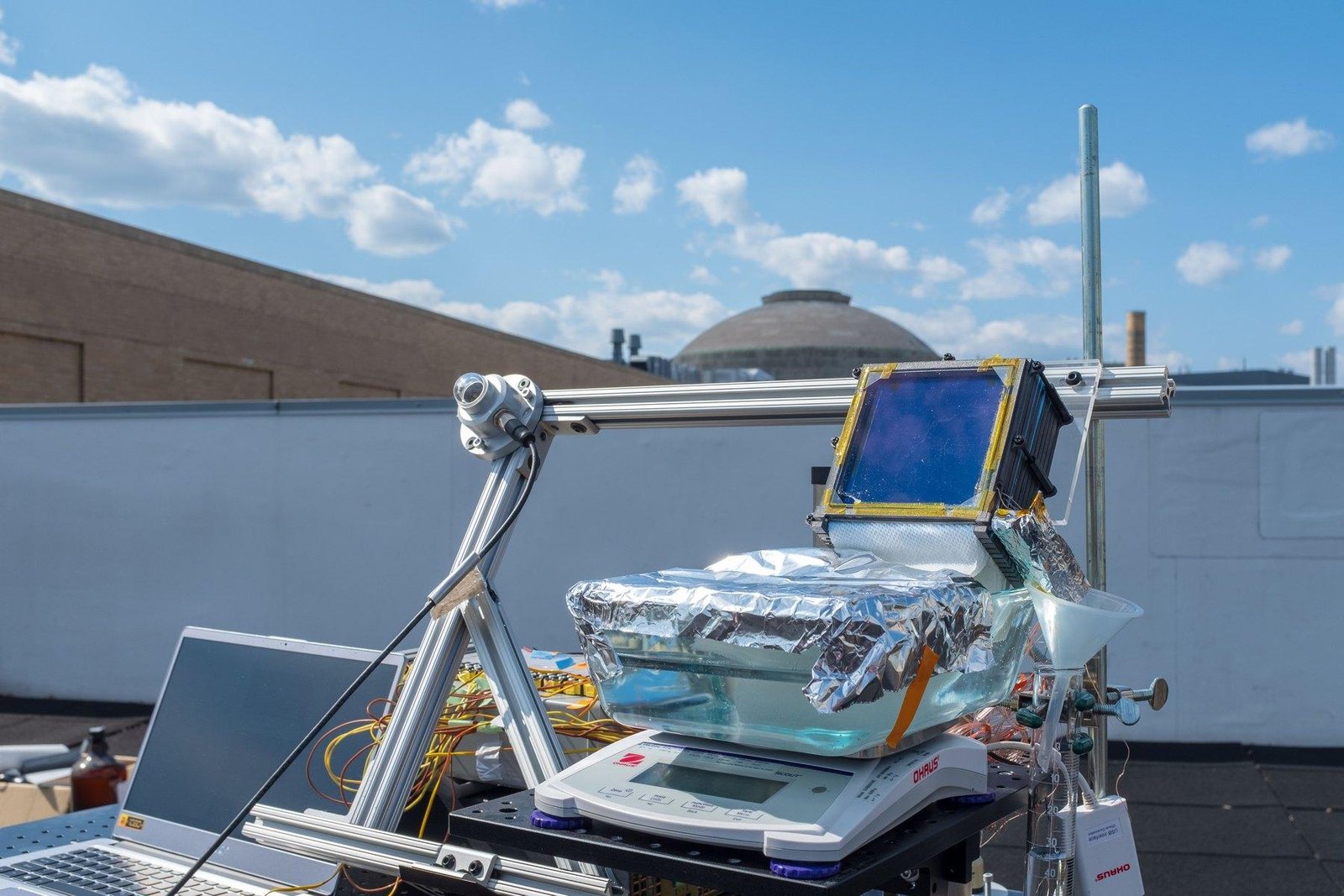
Water infrastructure is one of the main capital blocks of the project.
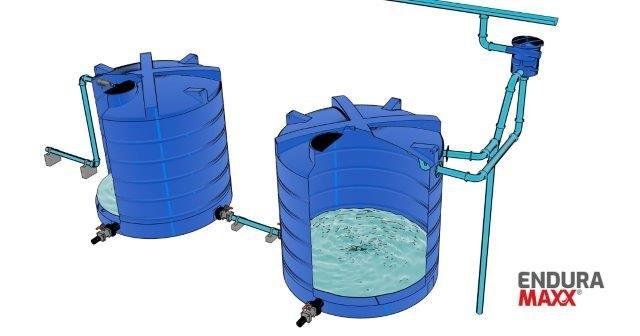
Reservoirs, distribution and control of water transform plantings into a manageable system.
Income streams
Within 3-5 years, the project should have multiple revenue streams. This structure reduces risk: if one market develops slowly, other blocks continue to support the corridor's economy.
| Source | Income benchmark | Comment |
|---|---|---|
| Agriculture | 300,000-900,000 €/year | olives, dates, figs, forage crops after the environment has stabilized |
| Pet food | 100,000-300,000 €/year | algae, grasses and shrub biomass for sheep and goats |
| Seaweed | 50,000-300,000 €/year | fertilizers, feed, additives, raw materials for soil restoration |
| Sale of seedlings | 100,000-500,000 €/year | nursery of trees, shrubs and adapted plants |
| Eco-products | 200,000-800,000 €/year | oils, herbs, extracts, local products |
| Carbon credits | 200,000-1,000,000 €/year | income from land restoration under a proven methodology |
The overall target for 3-5 years is approximately €1-3.5 million per year. This is not a guaranteed revenue target, but rather a working range for the project model with proper water management, markets, and certification.
The main drivers of money
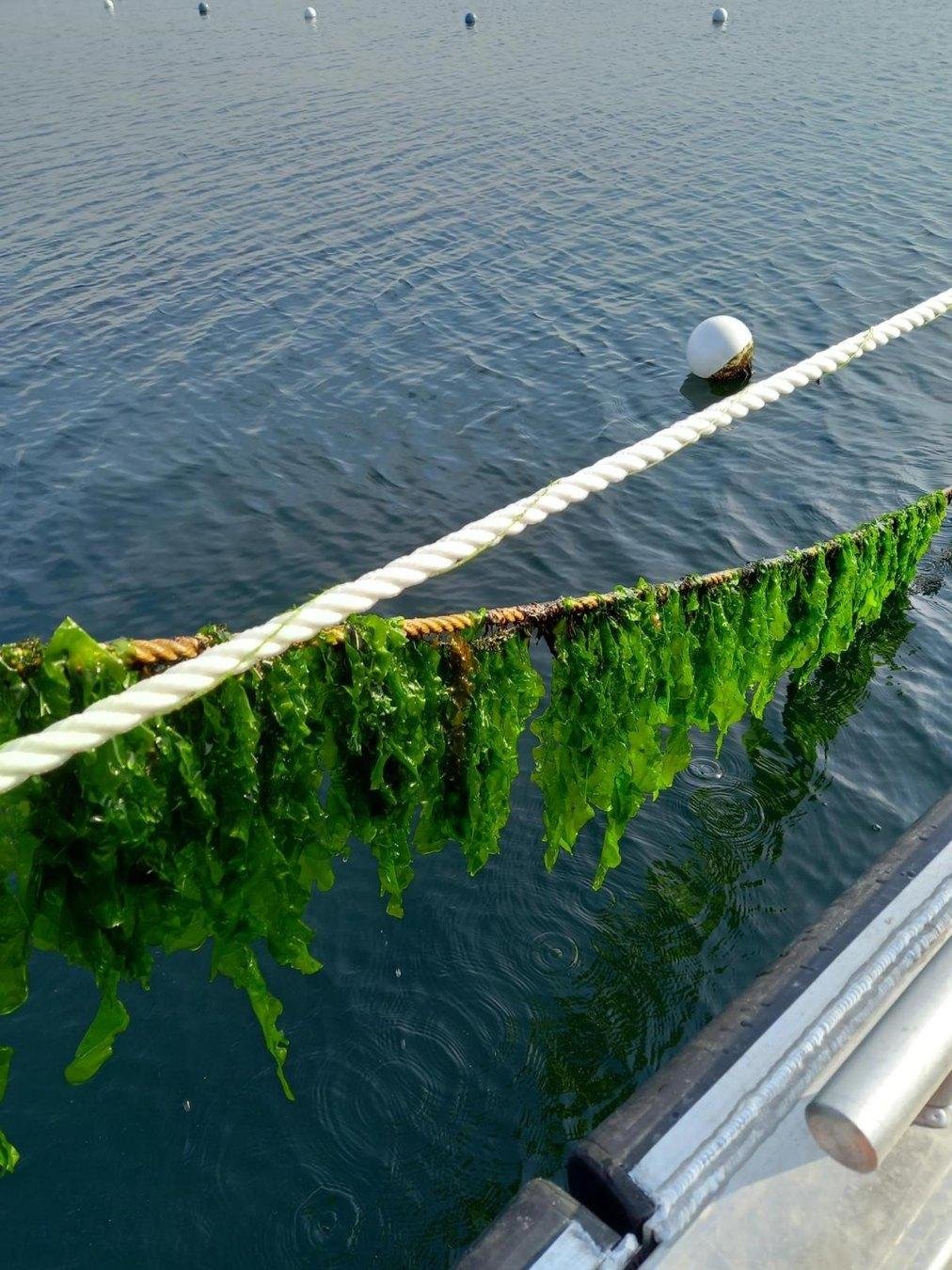
The algae block can provide raw materials for fertilizers, feed and soil restoration.
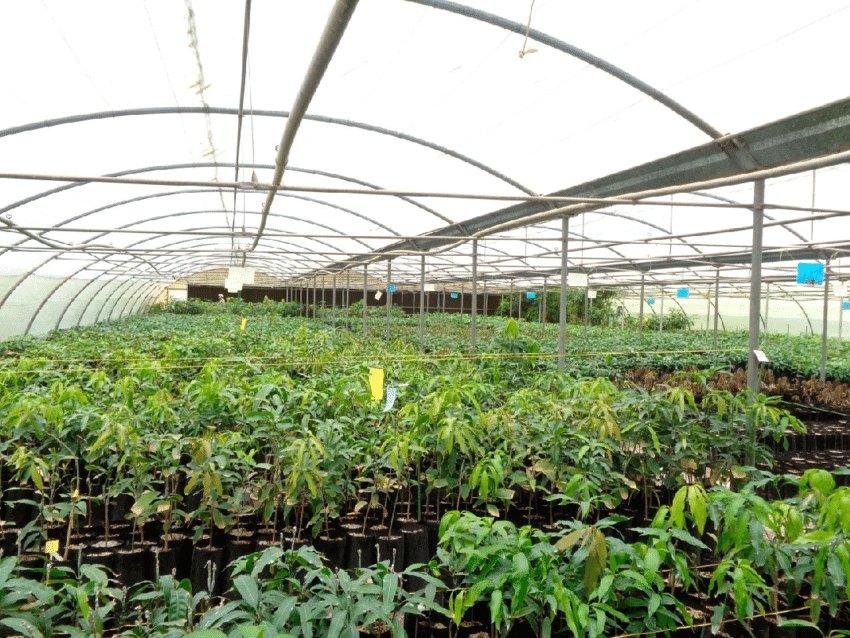
The nursery creates an early cash flow: the seedlings are needed by the project itself and neighboring plots.
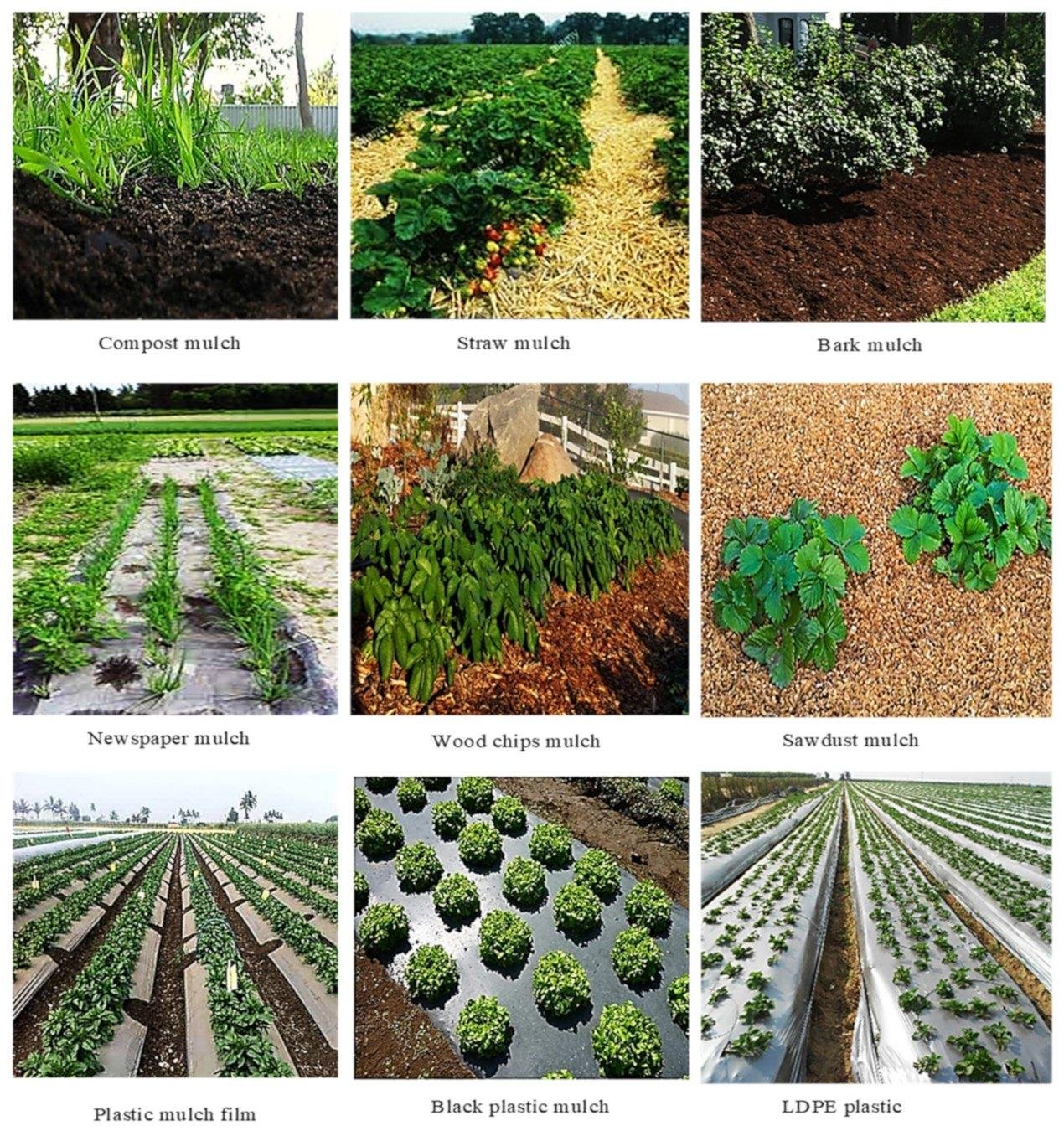
Biomass and organic matter transform the soil into an asset rather than a waste surface.
| Driver | Why is it important? | When does it start working? |
|---|---|---|
| Seaweed | They don't wait for the trees to mature and provide raw materials for several markets. | year 2-3 |
| Saplings | The nursery is needed for scaling and can sell surpluses | year 1-2 |
| Carbon | land restoration may become a separate financial instrument | after monitoring and verification |
| Eco-products | add margin on top of the raw materials economy | year 3-5 |
OPEX and payback
Operating costs include personnel, water, energy, maintenance, logistics, and consumables. For 30 km, the working guideline is €300,000–€800,000 per year; in the P&L model, the baseline can be considered to be approximately €550,000 per year.
| Scenario | Payback period | Condition |
|---|---|---|
| Conservative | 6-8 years | Slow market growth, cautious certification, limited carbon revenue |
| Realistic | 4-6 years | There is a nursery, algae, an agro-block, and partial support from grants. |
| Aggressive | 3-4 years | rapid scaling, a strong product market, and a successful carbon methodology |
| Consumption | Target per year |
|---|---|
| Staff | about €250,000 |
| Water and energy | about €100,000 |
| Service | about €80,000 |
| Logistics | about €70,000 |
| Consumables | about €50,000 |
Risks and Management
| Risk | What can happen? | How to reduce |
|---|---|---|
| Water | rising costs and unstable availability | reservoirs, monitoring, solar desalination, economical irrigation |
| Logistics | expensive delivery of materials and poor service | localization of materials, simple design, warehousing by phases |
| Incorrect landing | loss of plants and budget | 100-200m pilot, soil test, phasing |
| Lack of control | the system disintegrates into disparate works | single operator, schedule, water and survival accounting |
| Market | products are not selling in the expected volumes | division into several income streams |
Strong project structure
The project is best divided into three economic blocks: ecosystem, production, and market. The ecosystem creates land and water, production produces algae, plants, and seedlings, and the market transforms these into products, services, and financial sustainability.
Quick returns are possible through seedlings, algae, grants, and subsidies. Long-term value is generated through restored land, water, sustainable plantings, products, and proven environmental results.
Conclusion
The 30-kilometer DREVO is not a typical agricultural or ornamental project. It is the infrastructure of a new land: a water system, a soil system, a production base, and a market platform for South Atlantic development.
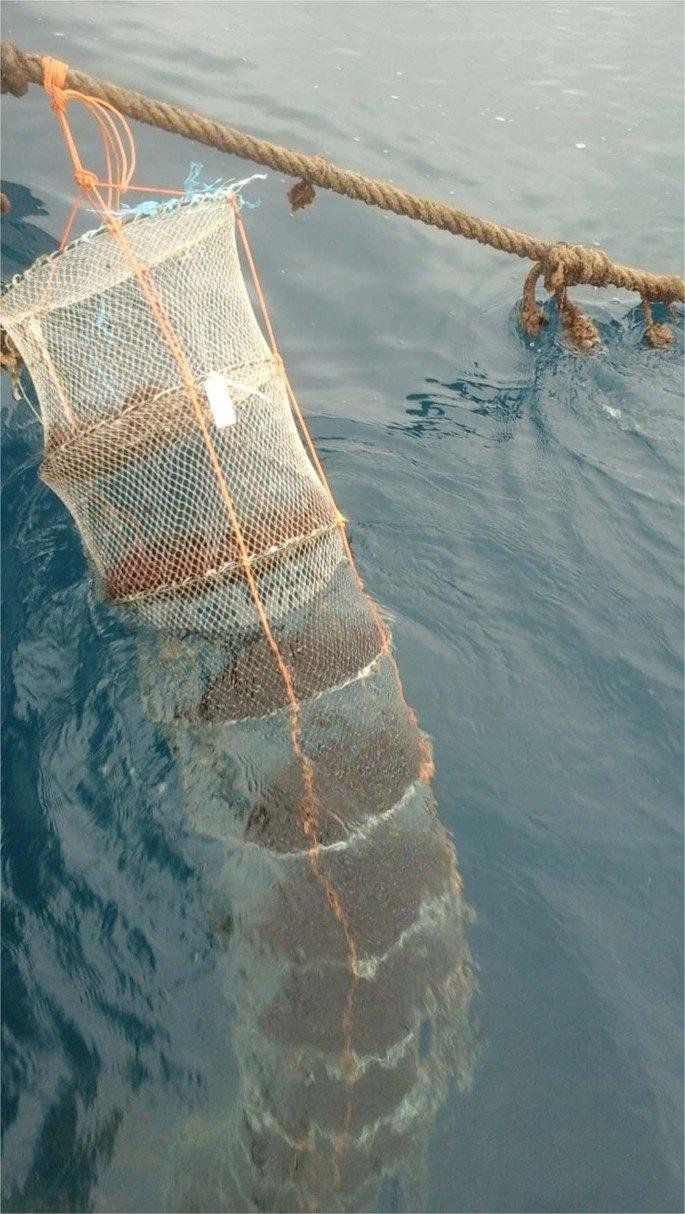
Algae enhance the model through fertilizer, feed and biomass.