Tree chart for the Western Sahara coastline
A practical matrix of trees and large shrubs for the Atlantic pilot: salt, drought, roots, role and risk.
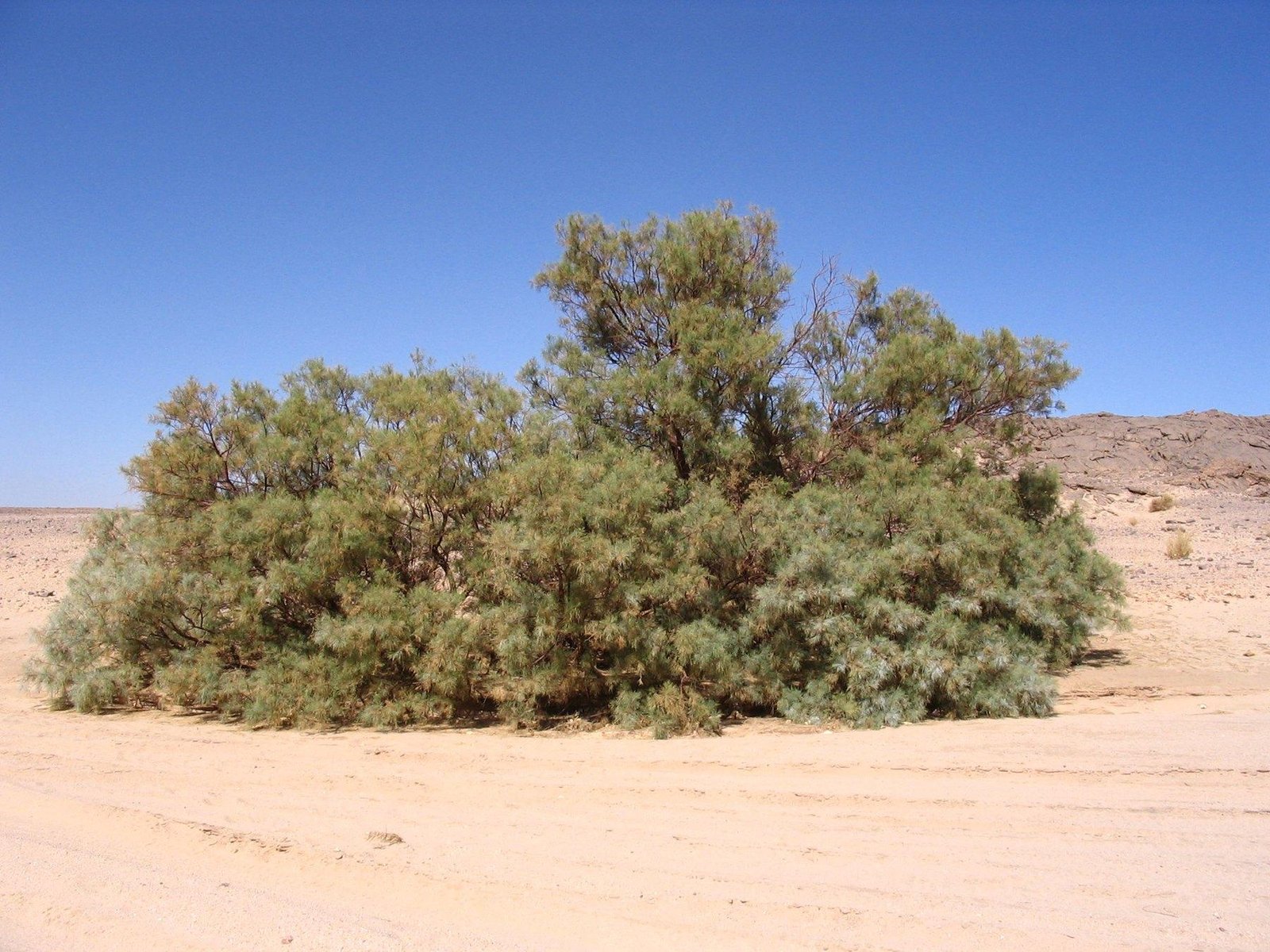
A choice matrix, not just a list
This table is used for project selection of trees and large shrubs along the Western Sahara coastline. Each species is assessed based on five critical parameters: root depth, salt tolerance, drought tolerance, role in the system, and management risk.
You can't plant everything at once in a pilot. Species that tolerate salt, wind, and sand go first. Then, plants for shade, fruit, soil, and internal stability are added. Species at risk of spreading or requiring high water consumption are kept only in controlled test units.
| The pile foundation Tamarix, Atriplex, Salvadora, Vachellia tortilis. | After stabilization Date palm, ziziphus, balanites, Capparis. | Tests only Prosopis, eucalyptus, Parkinsonia, Acacia saligna. |
|---|
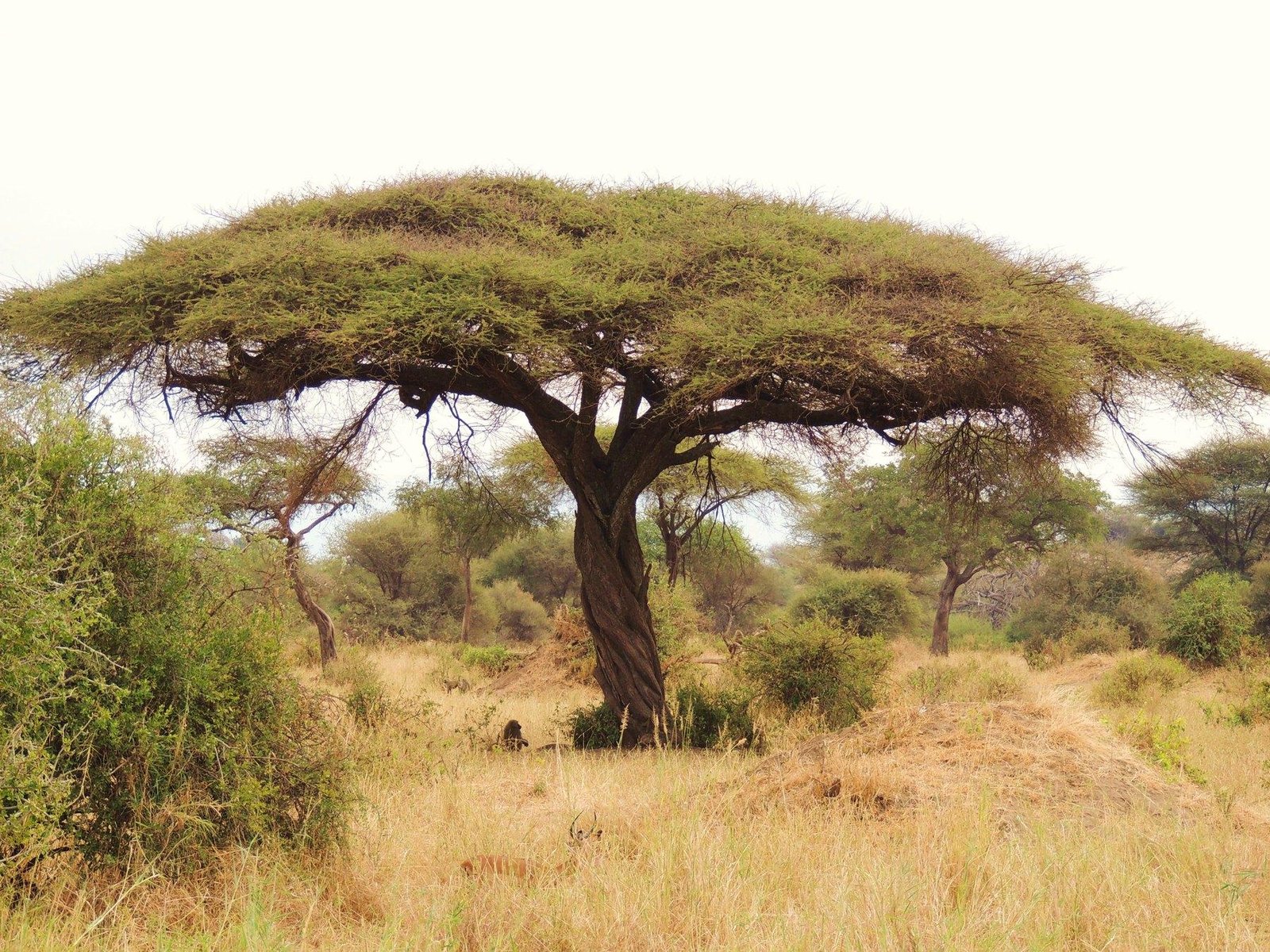
Acacia forms a deep-rooted inner tier and shade.
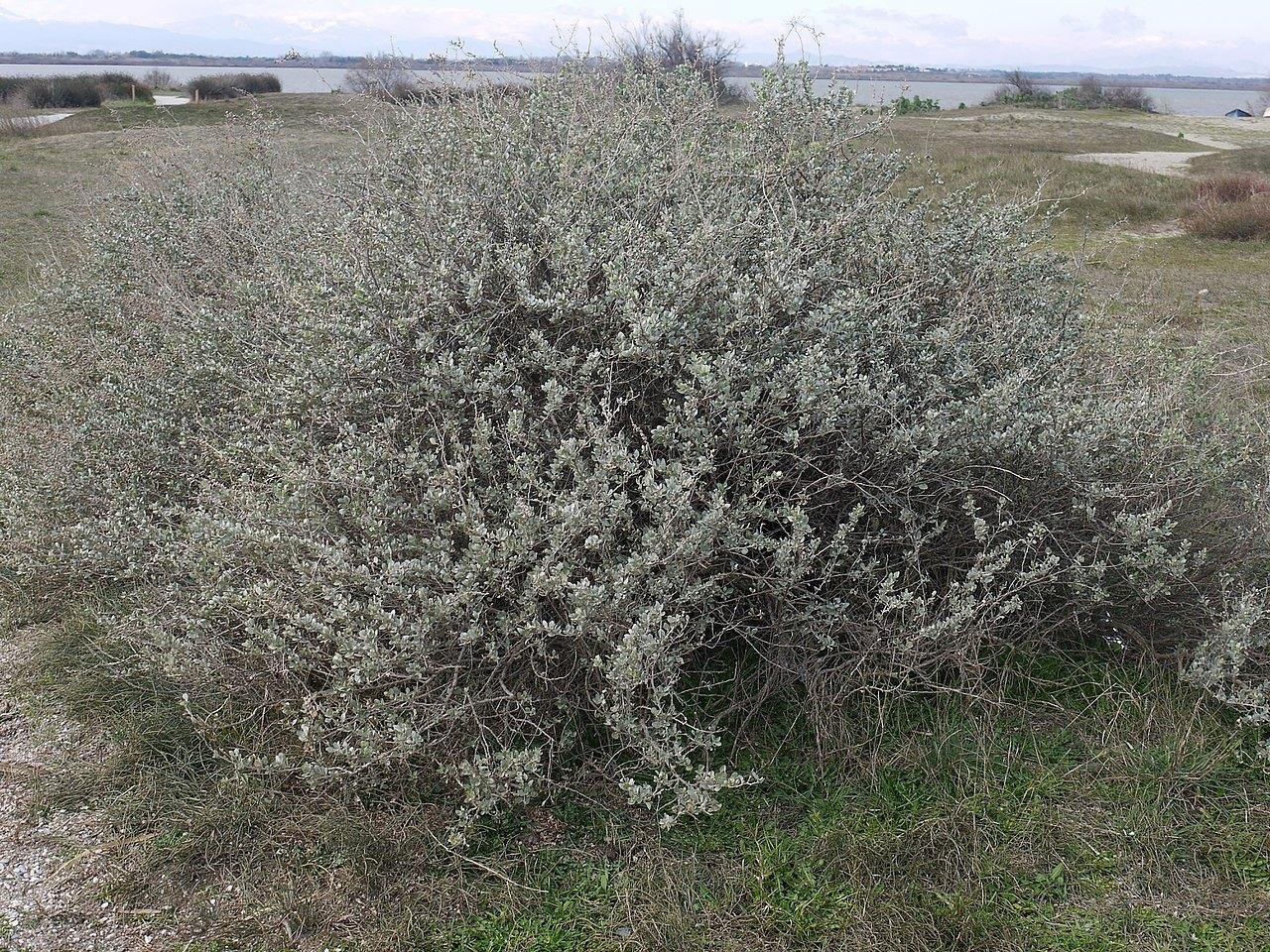
Atriplex halimus closes the lower salt layer and protects the soil surface.
How to read the table
| Root depth shows the chance to reach the lower moisture after the starting period. | Salt critical for ocean aerosols, saline dust and coastal soils. | Role explains why the species is needed: wind barrier, dunes, soil, fruit layer or test. | Risk important to agree on: invasiveness, toxicity or excessive water consumption. |
|---|
Basic matrix of species
| View | Latin name | Roots | Salt | Drought | Role | Risk |
|---|---|---|---|---|---|---|
| Tamarisk | Tamarix aphylla | 10-15+ m | high | very high | windbreak | short |
| Tamarisk | French Tamarisk | 5-10 m | high | high | dunes | short |
| Tamarisk | Tamarix africana | 5-10 m | high | high | coastline | short |
| Umbrella acacia | Vachellia tortilis | 20-30+ m | average | very high | depth and shadow | short |
| Acacia senegal | Senegalia senegal | 10-20 m | average | high | soil, nitrogen, second row | short |
| Acacia | Vachellia ehrenbergiana | 10-20 m | average | high | shrub-tree for dry areas | short |
| Vodka | Salvadora persica | 5-15 m | high | high | salt zones and hedges | short |
| Atriplex | Atriplex halimus | 2-5 m | very high | high | lower salt and soil layer | short |
| Calligonum | Calligonum comosum | 5-10 m | high | very high | sand fixation | short |
| Leptadenia | Leptadenia pyrotechnica | 5-10 m | average | very high | dunes and dry areas | short |
Phase Two and Helpful Supplements
These species should not replace the protective core, but can provide shade, fruit value and a more stable microclimate after the initial establishment of the site.
| View | Latin name | Roots | Salt | Drought | Role | Risk |
|---|---|---|---|---|---|---|
| Date palm | Phoenix dactylifera | 5-10 m | average | high | oasis upper tier | short |
| Ziziphus | Ziziphus thorn-of-christ | 10-20 m | average | high | fruits and shadow | short |
| Ziziphus | Ziziphus mauritiana | 10-20 m | average | high | fruiting inner zone | short |
| Balanites | Balanites aegyptiaca | 10-20 m | average | very high | stability in dry zone | short |
| Caper tree | Deciduous capers | 5-10 m | high | very high | ultra-dry zones | short |
| Saxaul | Haloxylon persicum | 10-15 m | average | very high | sands | short |
| Saxaul | Haloxylon ammodendron | 10-15 m | average | very high | dunes | short |
Controlled and experimental species
These candidates may be useful, but they require a separate testing area. They cannot be automatically transferred to mass planting without monitoring.
| View | Latin name | Roots | Salt | Drought | Role | Risk |
|---|---|---|---|---|---|---|
| Mesquite | Prosopis juliflora | 30-50 m | high | very high | extreme conditions | high |
| Mesquite | Prosopis cineraria | 20-30 m | average | high | stability | average |
| Mesquite | Prosopis glandulosa | 20-40 m | average | high | depth | high |
| Eucalyptus | Eucalyptus camaldulensis | 10-25 m | average | high | rapid growth | average, needs water control |
| Casuarina | Casuarina equisetifolia | 5-15 m | high | high | coast and windbreak | low under control |
| Parkinsonism | Parkinsonia aculeata | 10-20 m | average | high | quick start | average |
| Moringa | Moringa peregrina | 5-10 m | low | high | experiment | average |
| Tecomella | Tecomella undulata | 10-20 m | low | high | a rare drought-resistant species | average |
| Acacia sallow | Acacia sallow | 5-15 m | average | high | quick greening | average |
| Oleander | Oleander tree | 5-10 m | average | high | decorative barrier | toxic |
Project conclusion
For the first pilot, the table should be read as a filter. The starting lineup includes tamarisk, acacia, elvador, atriplex, calligonum, and leptadenia. Date palm, jujube, and balanites strengthen the system after protection and minimal water stability have been established. Prosopis, eucalyptus, Parkinsonia, and other fast-growing species require separate monitoring.
The working formula for the site: the first line holds back salt and wind, the second row has deeper roots, the lower shrub layer covers the sand, and fruit and shade species are introduced only after the microclimate has stabilized.
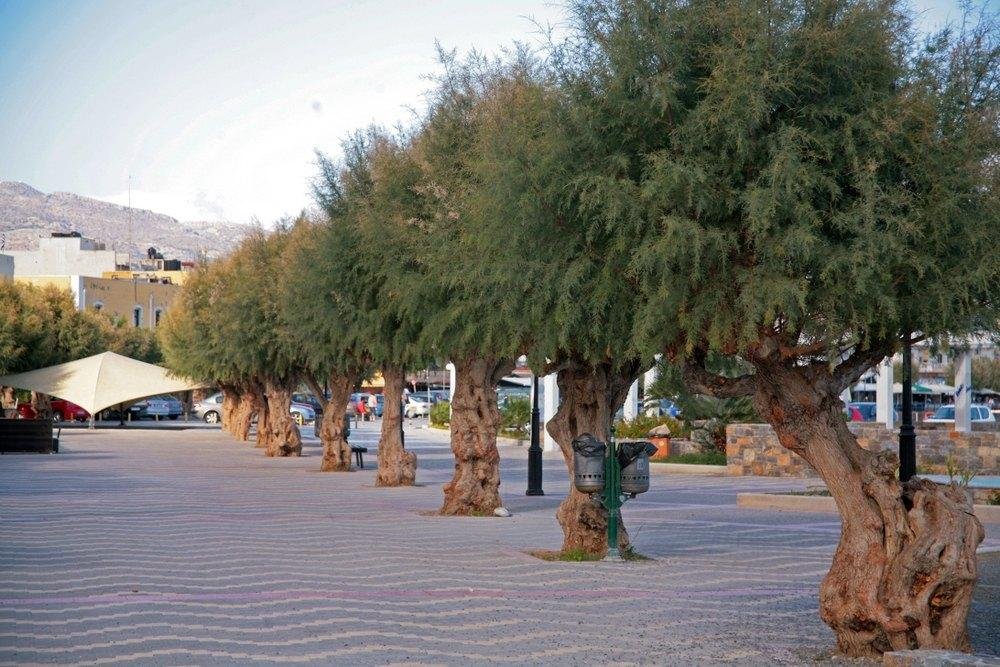
Tamarisk is suitable for the first line: salt, wind, shifting sand.
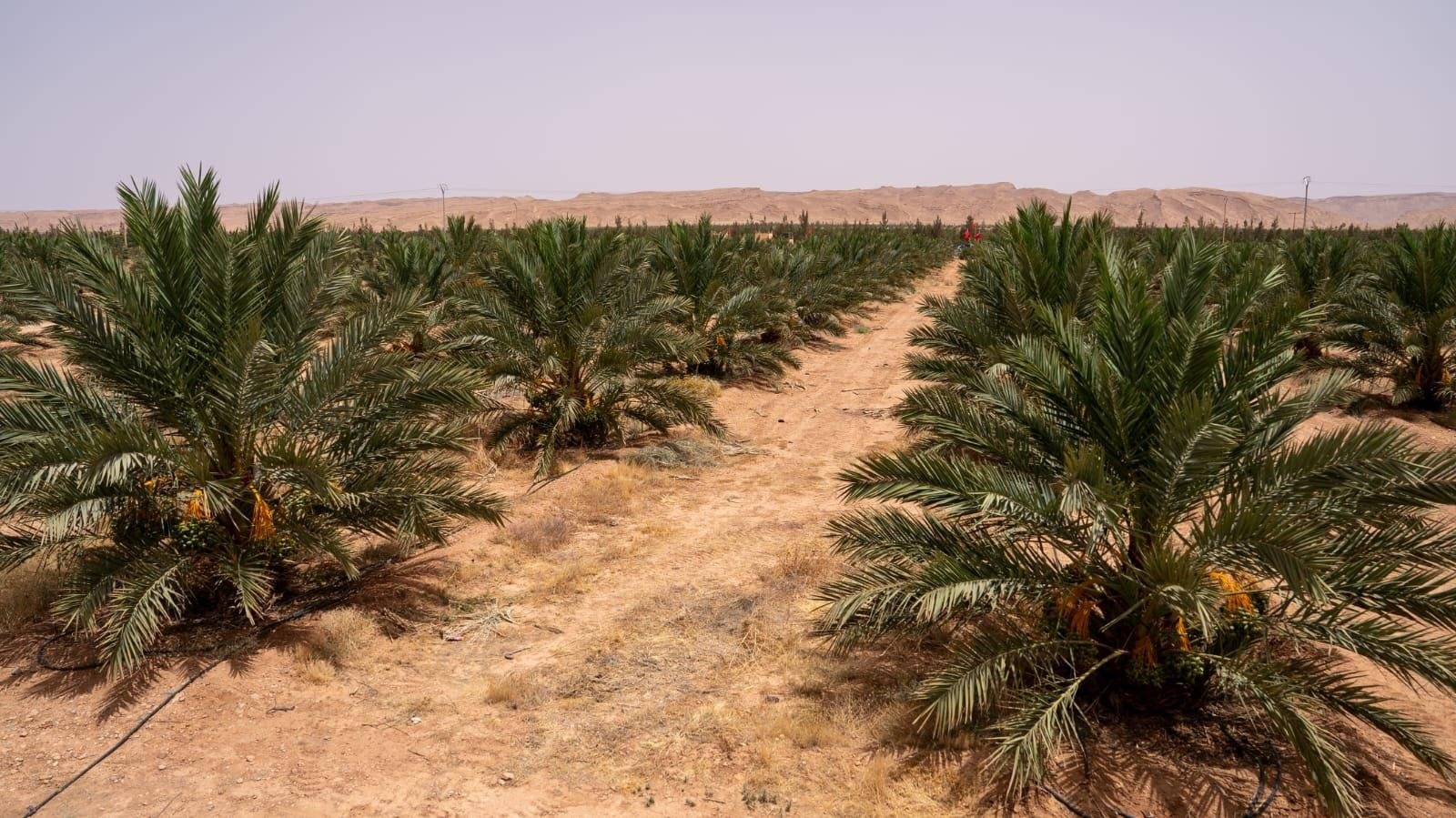
The date palm belongs to the oasis phase, not to the very first line.
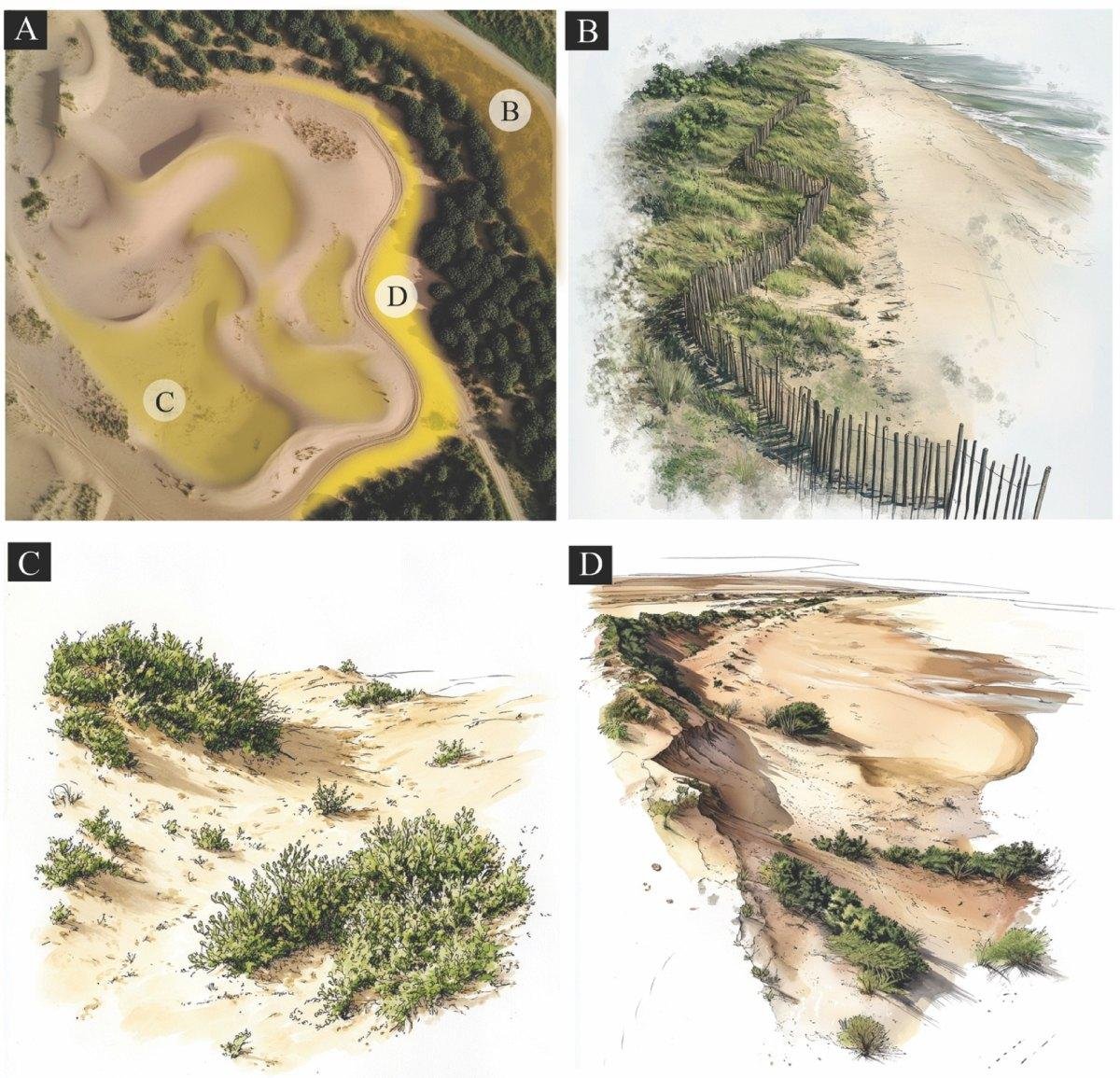
The corridor diagram shows why trees should be distributed according to function, rather than planted in a single row.
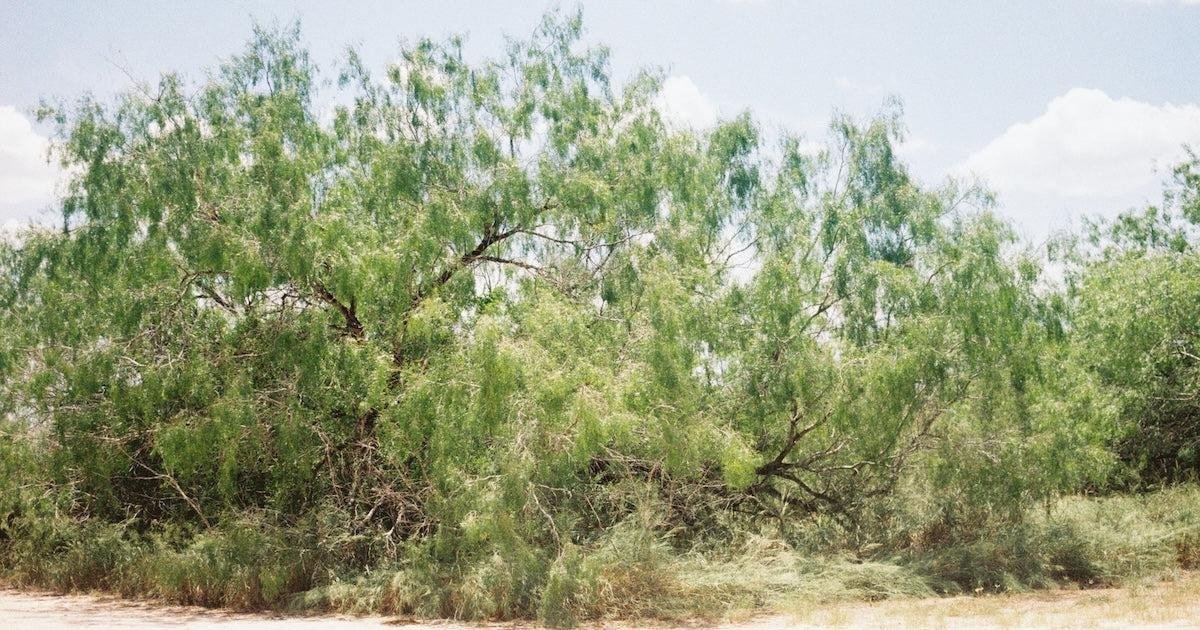
Salvadora persica is useful in salty areas and in hedges.
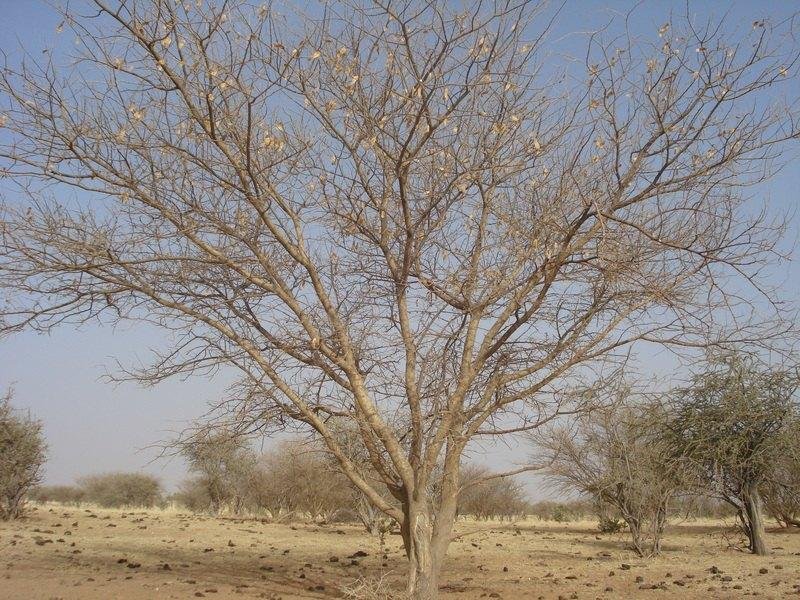
Balanites aegyptiaca is suitable for the dry interior zone and the second phase of the woody framework.