Fruit trees for shade (second phase of the project)
Fruit crops are introduced after shade, wind protection, moisture retention and living soil have been formed.
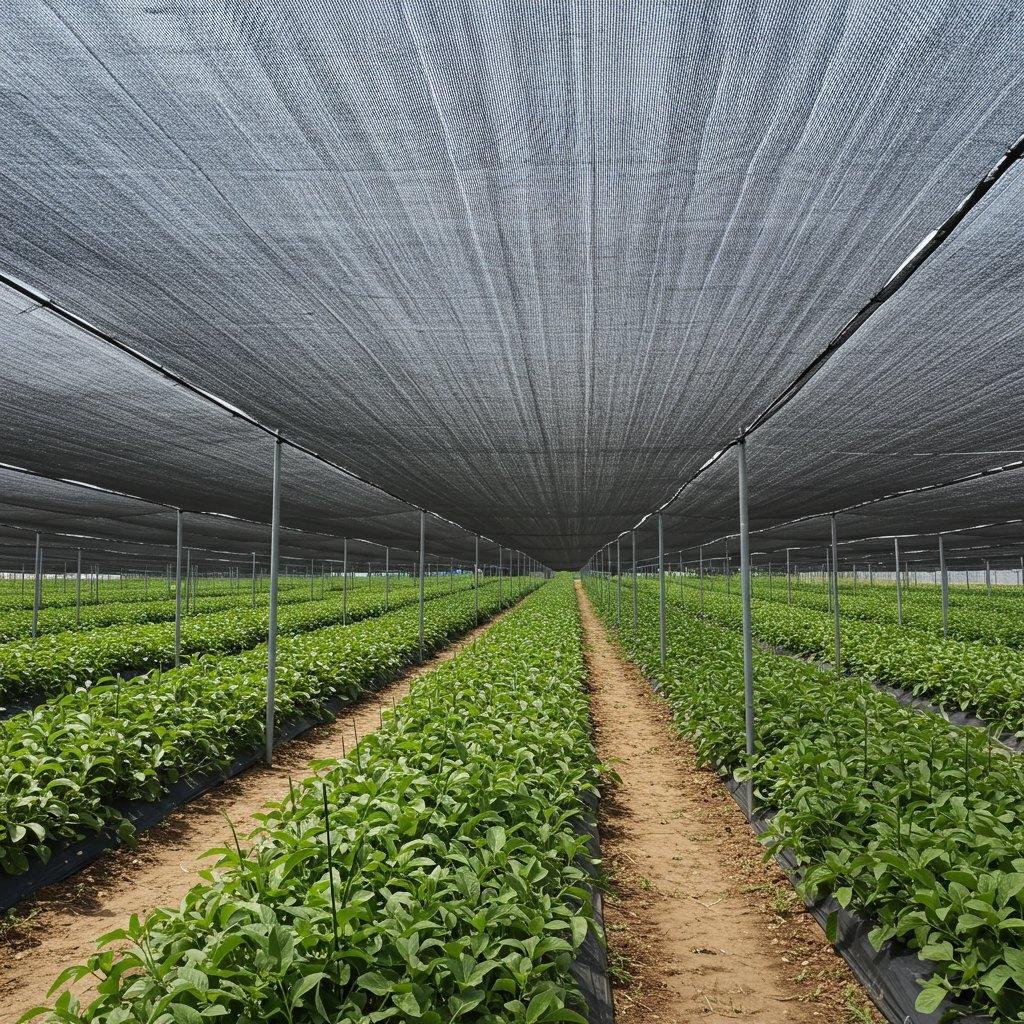
Fruit trees for shade: the second phase of the project
Fruit crops are not the initial foundation of a green corridor. It's best to introduce them after the first phase has already created wind protection, partial shade, moisture retention, and initial soil improvement.
The second phase of the project functions as a transition from protective landscaping to a productive oasis system. The main goal at this stage is not to plant as many species as possible, but to select crops that can thrive within the created microclimate and gradually develop a multi-layered fruiting structure.
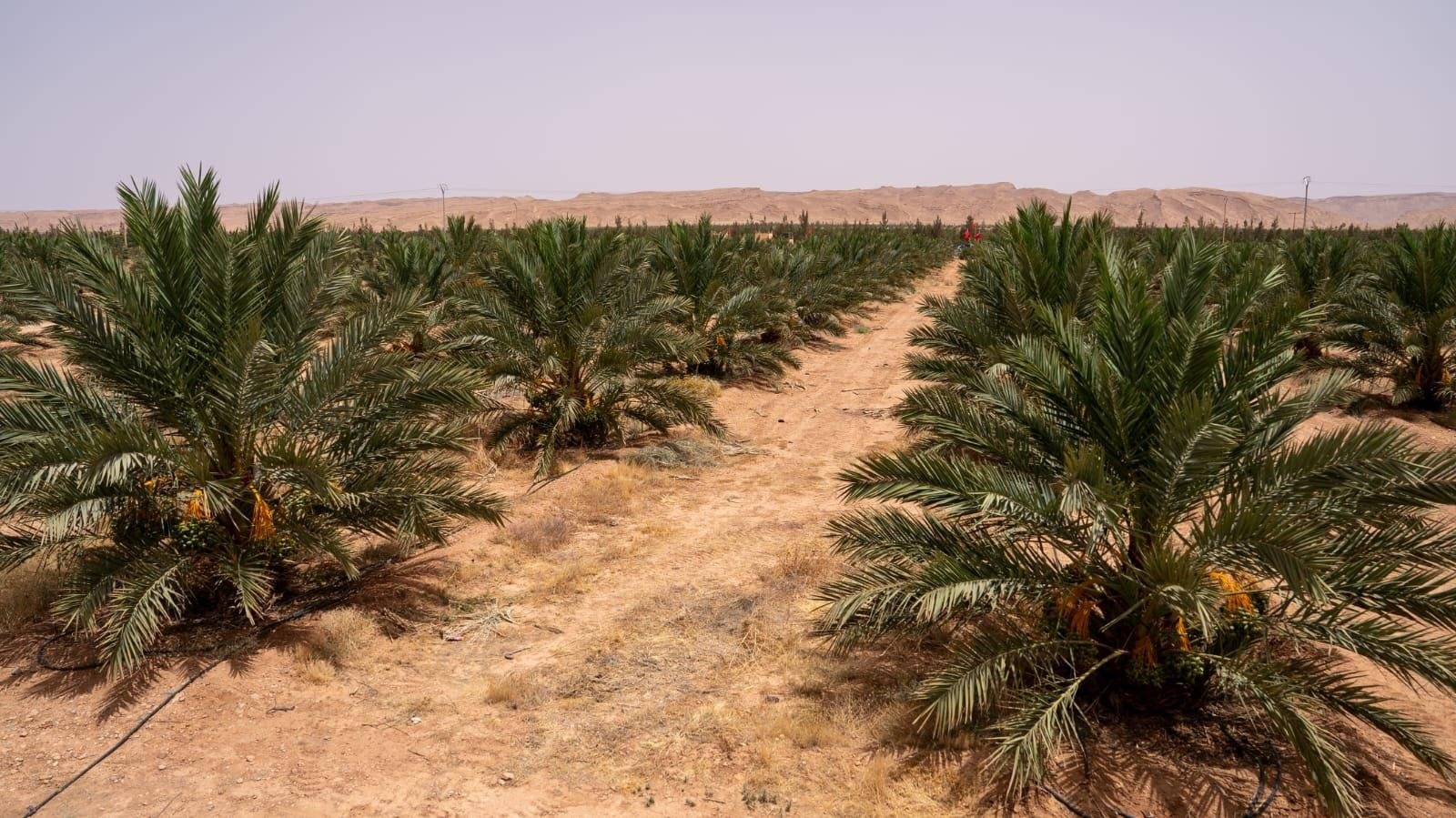
The date palm forms the upper tier and provides shade to the lower crops.
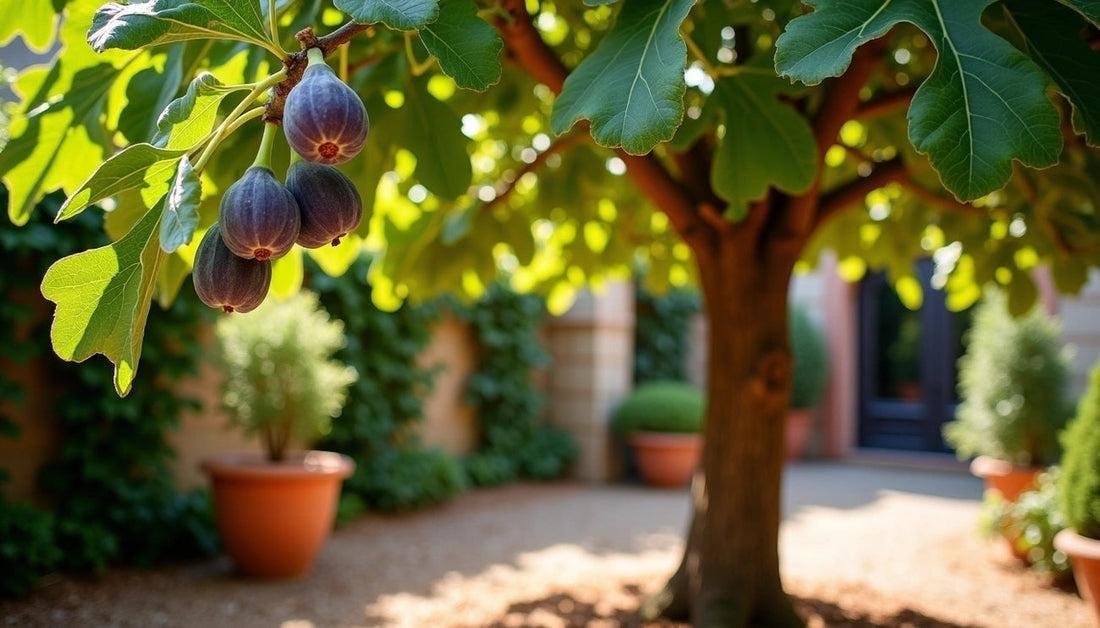
Figs are drought-resistant and suitable for early fruiting.
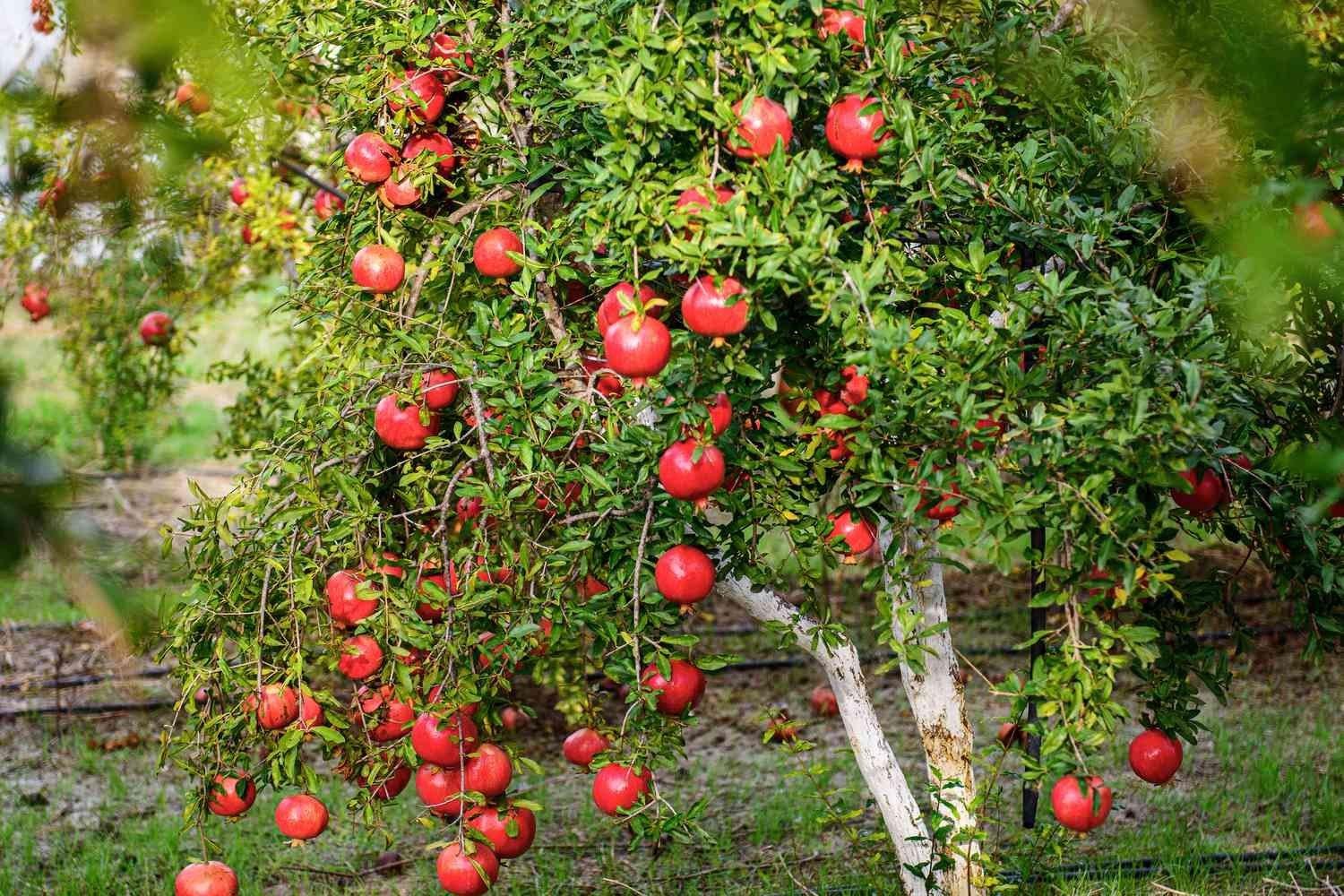
Pomegranate is one of the main candidates for the dry fruit layer.
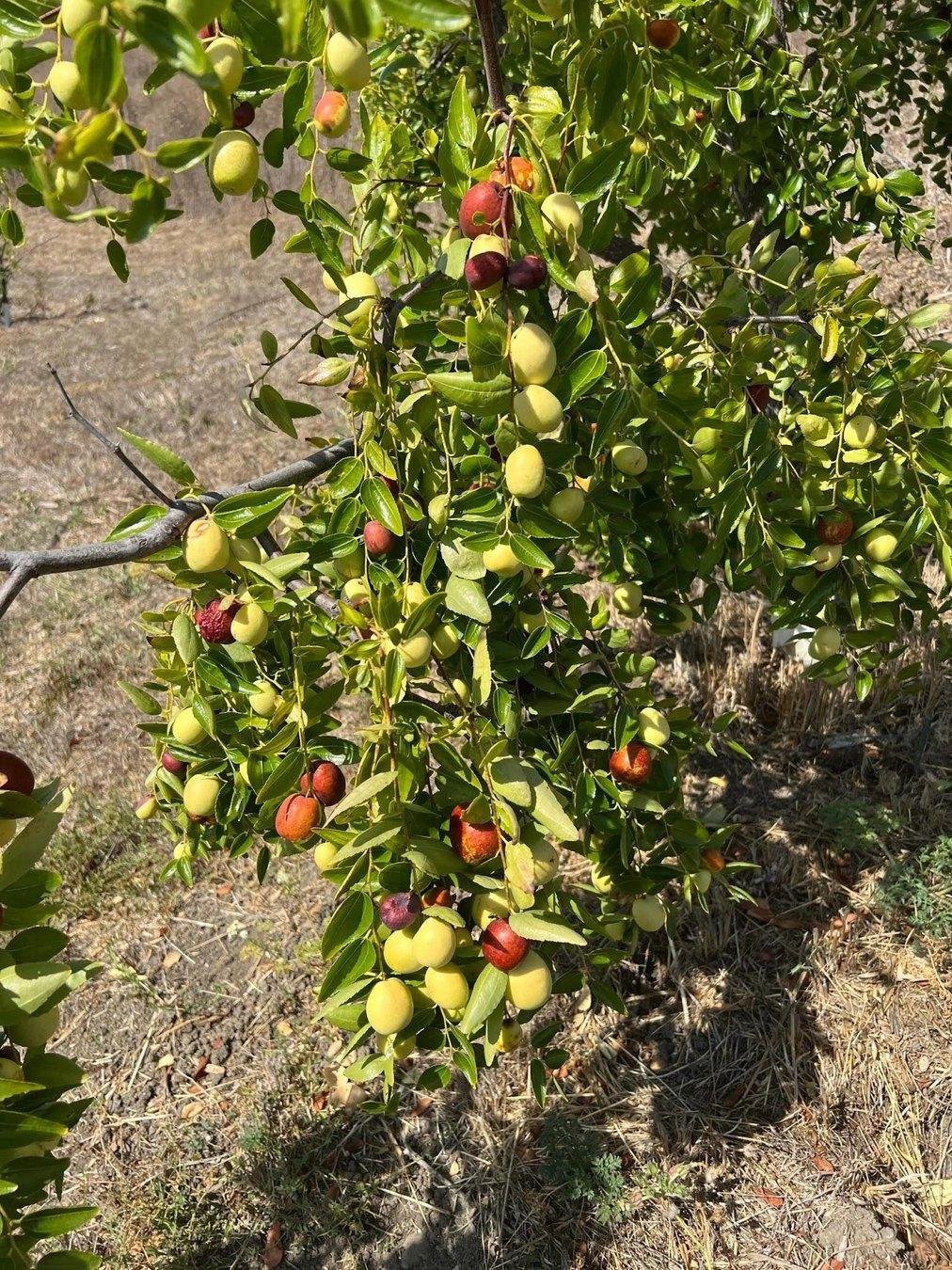
Ziziphus works almost like a wild tree and requires minimal care.
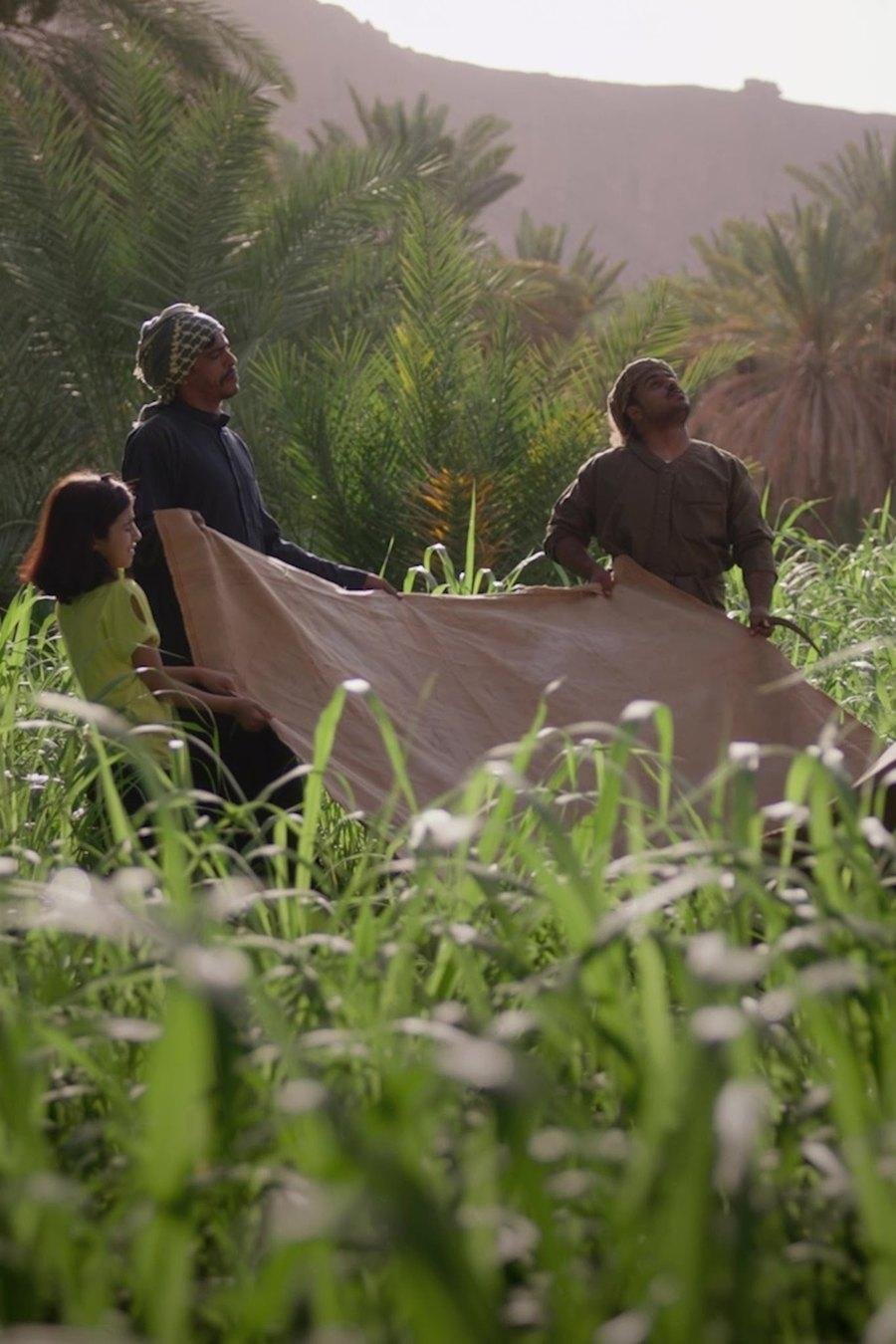
Temporary shade helps young plants survive the initial period.
The most reliable crops to start
At the initial stage of the second phase, priority is given to species that have already proven their ability to thrive in oasis and arid conditions. These form the basic fruiting framework and create conditions for more sensitive crops.
The date palm (Phoenix dactylifera) is used in oases, creating an upper tier and providing shade for lower crops.
Fig (Ficus carica) is drought tolerant, can grow with limited water, and produces a stable crop.
Pomegranate (Punica granatum) is suitable for dry regions, tolerates heat and low salinity.
Ziziphus mauritiana requires almost no maintenance and is capable of bearing fruit with minimal water supply.
Crops under improved conditions
Once shade and a more stable water regime are established, the selection of species can be expanded. These crops require more control but provide economic and visual value for the future oasis site.
Grapes (Vitis vinifera) require a little more water, but grow well in partial shade and can be used in the lower tier.
Olive (Olea europaea) is heat tolerant but should not be planted in areas of high salinity.
Citrus fruits (Citrus spp.) can only thrive with regular watering, reduced salinity and a protected microclimate.
Mango and banana are considered as experimental crops for protected areas with guaranteed water.
Oasis logic of the system
Fruit trees should not be considered a stand-alone planting. They function only within a system that already provides shade, wind reduction, moisture retention, and protection from overheating.
Upper tier: date palm, tamarisk and other protective trees.
Middle tier: fig, pomegranate, jujube, olive.
Lower tier: grapes, herbs, vegetable crops and groundcover plants.
Level 1 - Basic, Reliable Fruit Trees
The most resistant species for the second phase: they can be tested first after creating shade, protection from wind and minimal water regime.
| View | Latin name | Water | Comment |
|---|---|---|---|
| Date palm | Phoenix dactylifera | low-medium | oasis base, upper tier and shade |
| Fig | Fig tree | low | very stable, produces a stable harvest |
| Pomegranate | Pomegranate | low | tolerates heat and low salinity |
| Ziziphus | Ziziphus mauritiana | very low | almost wild tree, minimal care |
| Ziziphus Christov | Ziziphus thorn-of-christ | very low | super-hardy species for dry conditions |
| Mulberry | White / black mulberry | low | grows quickly and strengthens the fruit layer |
Level 2 - Irrigation-resistant crops
These species are introduced after moisture has stabilized, partial shade has appeared, and the soil has partially improved.
| View | Latin name | Water | Comment |
|---|---|---|---|
| Olive | European olive tree | low-medium | classic drought-resistant crop |
| Grape | Wine grapevine | average | works best in the shade and on trellises |
| Almond | Sweet cherry | average | requires drainage and overheating control |
| Carob | Ceratonia siliqua | low | very drought-resistant |
| Peach | Peach tree | average | possible only with protection and care |
| Apricot | Prunus armeniaca | average | sensitive to extreme heat |
| Plum | Prunus domestica | average | requires regular care |
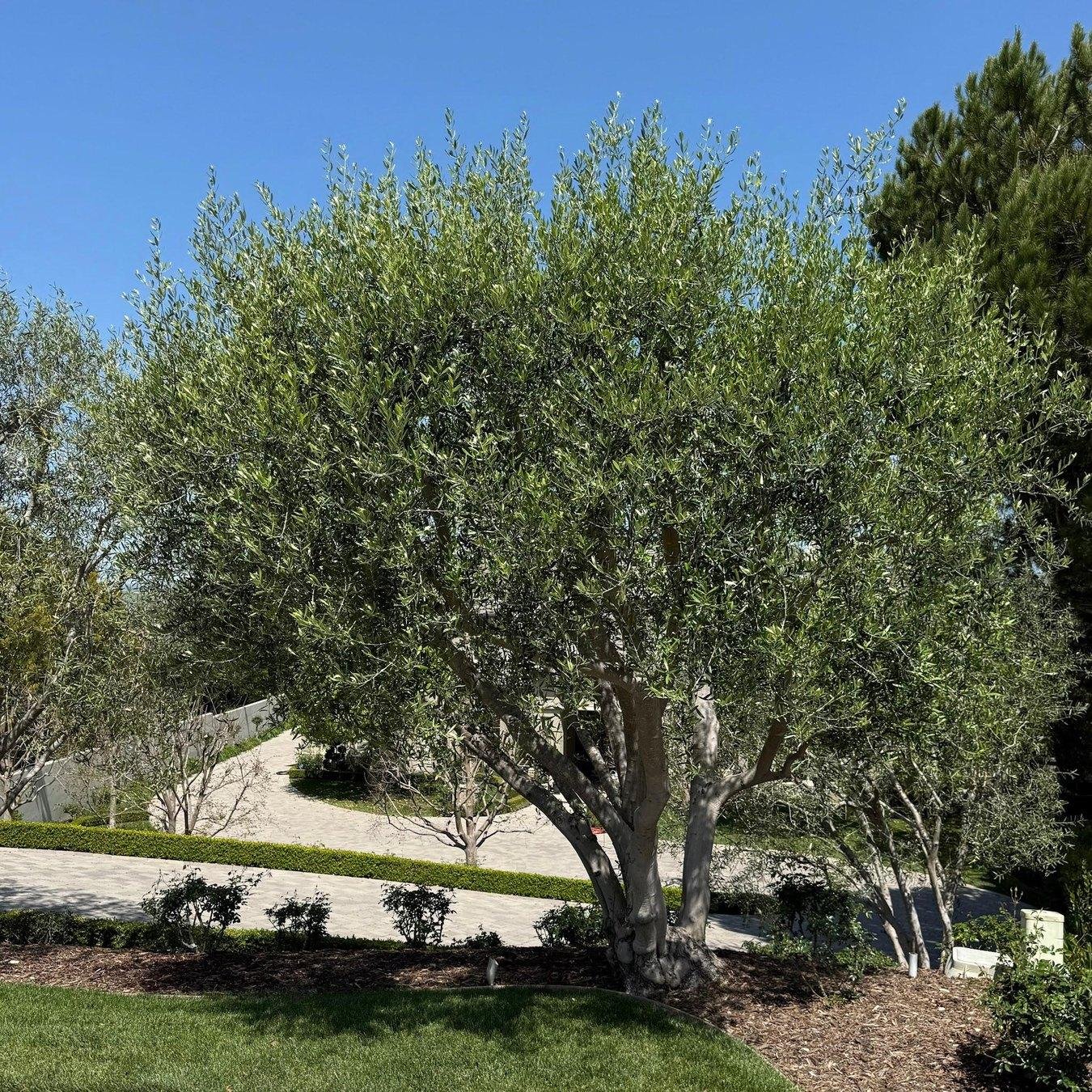
Olive is suitable for improved microclimate, but requires salinity control.
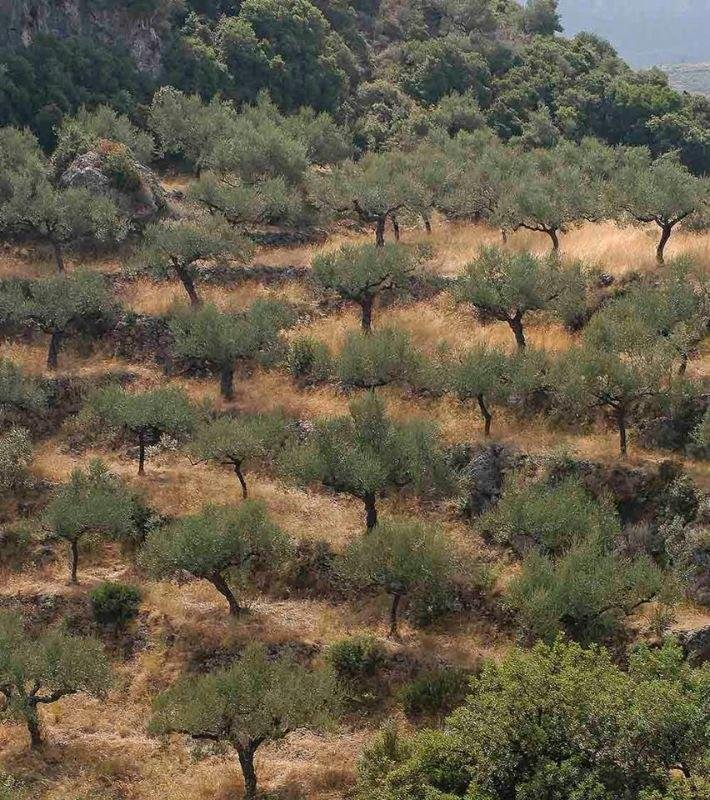
The olive tier is possible after soil stabilization and wind protection.
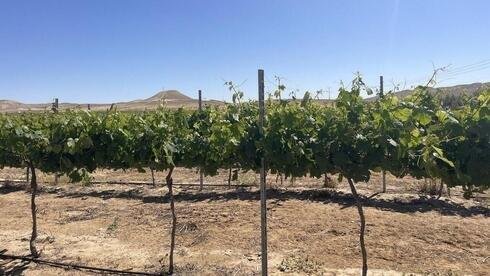
Grapes perform better in partial shade and can become the lower productive tier.
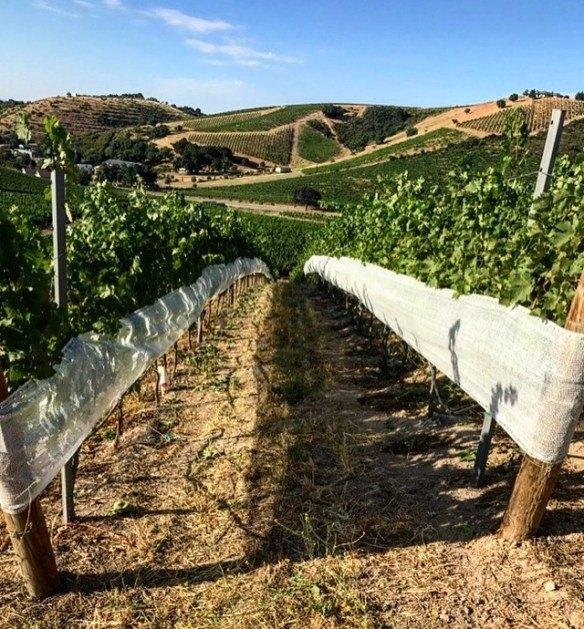
Protection and trellises reduce overheating and help retain moisture.
Level 3 - Crops requiring water and control
These species are only suitable for regular watering, low salinity and a protected microclimate.
| View | Latin name | Water | Comment |
|---|---|---|---|
| Orange | Citrus sinensis | medium-high | requires salt control |
| Lemon | Citrus limon | medium-high | sensitive to salinity and water deficiency |
| Mandarin | Citrus reticulata | average | grows better in the shade |
| Grapefruit | Citrus paradisi | average | heat-resistant with controlled watering |
| Banana | Musa spp. | high | only in the microclimate under the shade of palm trees |
| Papaya | Carica papaya | medium-high | grows quickly, but requires water |
| Mango | Mangifera indica | medium-high | requires protection and stable moisture |
| Guava | Psidium guajava | average | adaptive in a protected landing |
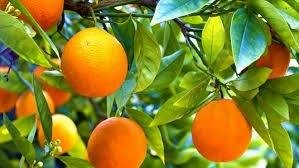
Citrus fruits are only acceptable if the water is of low salinity and receives regular care.
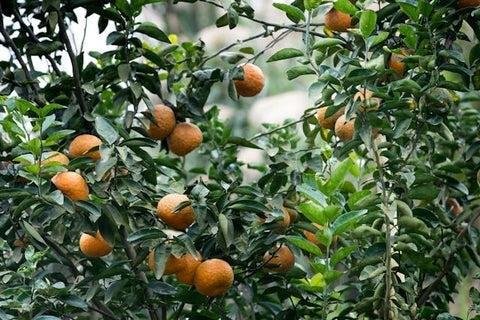
The citrus layer belongs to a later, controlled phase of the project.
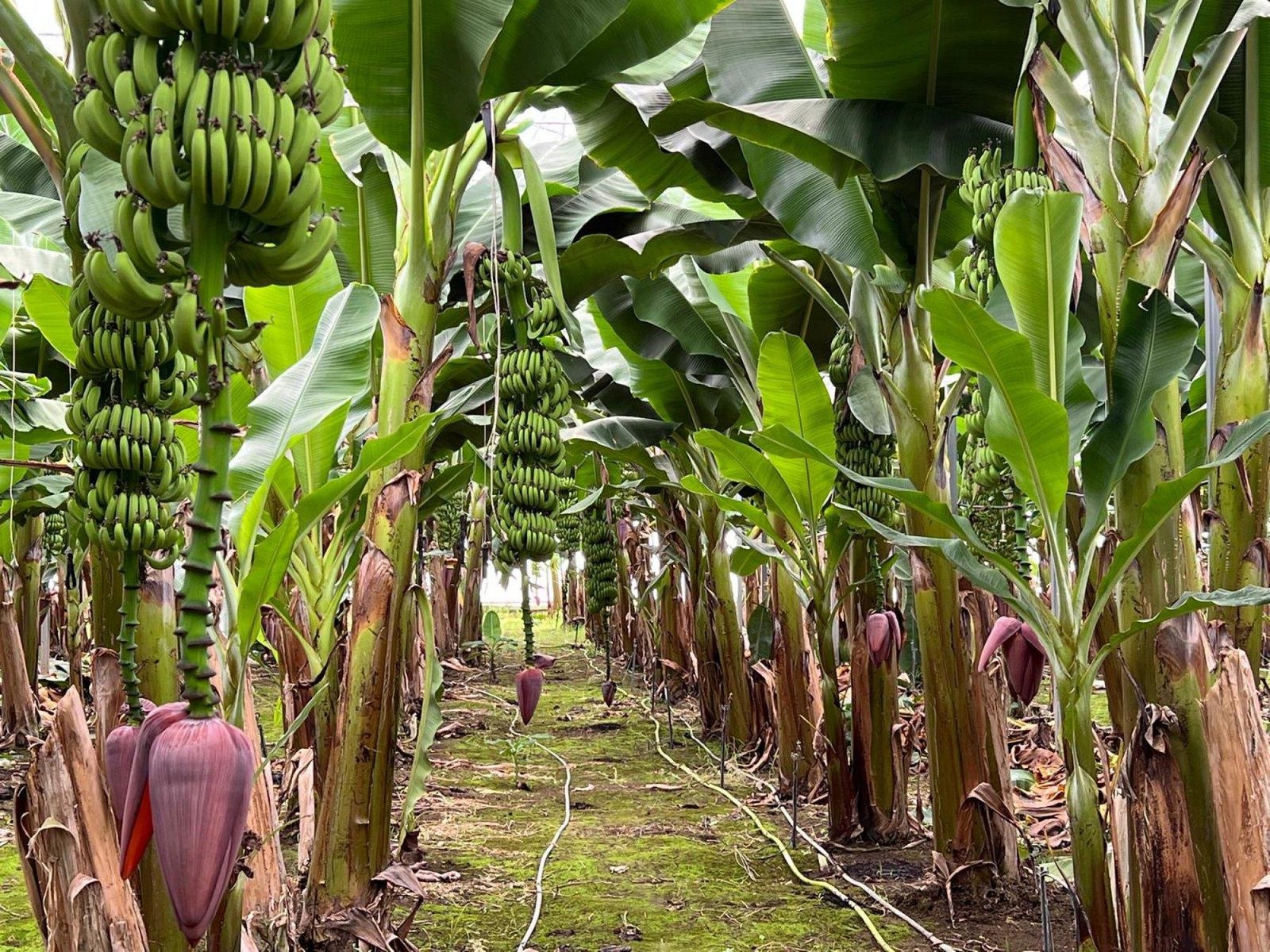
Banana requires a humid microclimate and stable shade.
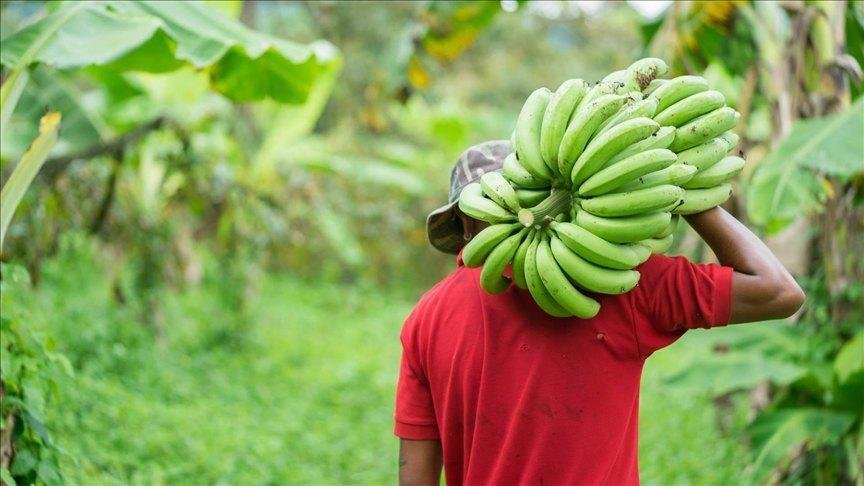
Banana gives quick results, but has a high water demand.
Level 4 - Experimental Fruit Crops
Promising but riskier species for limited test sites with guaranteed water.
| View | Latin name | Water | Comment |
|---|---|---|---|
| Avocado | Persea americana | high | only with stable water |
| Lychee | Litchi chinensis | high | complex experimental culture |
| Passion fruit | Passionflower | average | can work as a liana in the shade |
| Dragon fruit | Hylocereus | low-medium | well suited for dry climates |
| Tamarind | Tamarindus indica | average | a stable, heat-loving species |
| Sapodilla | Manilkara zapota | average | requires warmth and a protected environment |
Additional useful species
These plants enhance the nutritional, protective and medicinal value of the site.
| View | Latin name | Why is it important? |
|---|---|---|
| Prickly pear | Opuntia ficus-indica | food, water and a living protective hedge |
| Aloe | Aloe vera | medicine, survival and low water requirements |
| Capers | Spiny caper | a hardy food species for poor soils |
Estimated water consumption
Even resilient fruit crops require water retention in the soil. Therefore, the design goal is not just to supply water, but to reduce its loss.
| Culture | Water landmark | Project note |
|---|---|---|
| Date palm | 20-40 l/week | works best as the top tier of an oasis |
| Fig | 10-20 l/week | one of the most rational starting species |
| Citrus | 30-60 l/week | require salt control and regular watering |
| Banana | 50-100 l/week | only experimentally in a protected humid area |
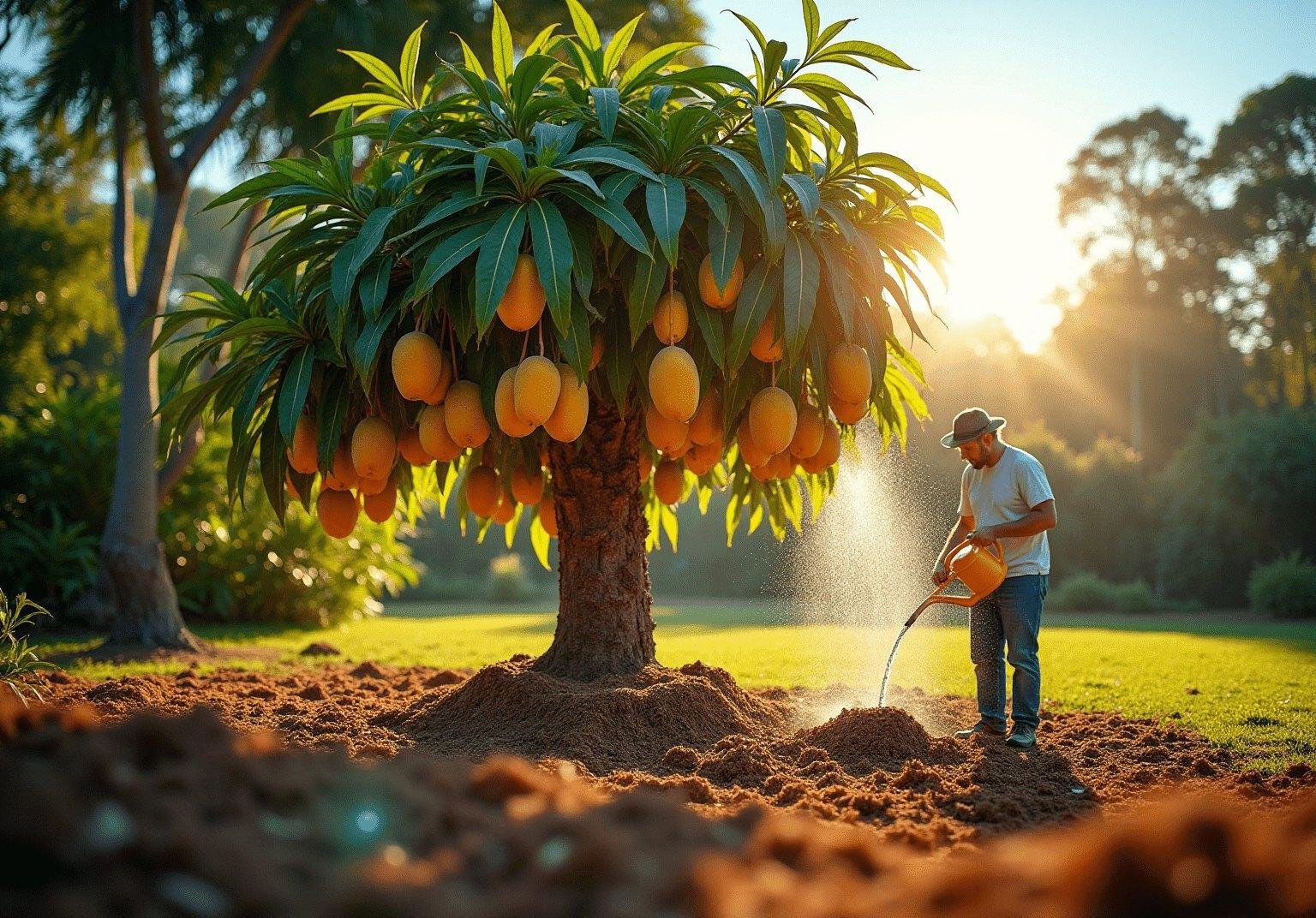
Mango is a promising but experimental crop for protected areas.
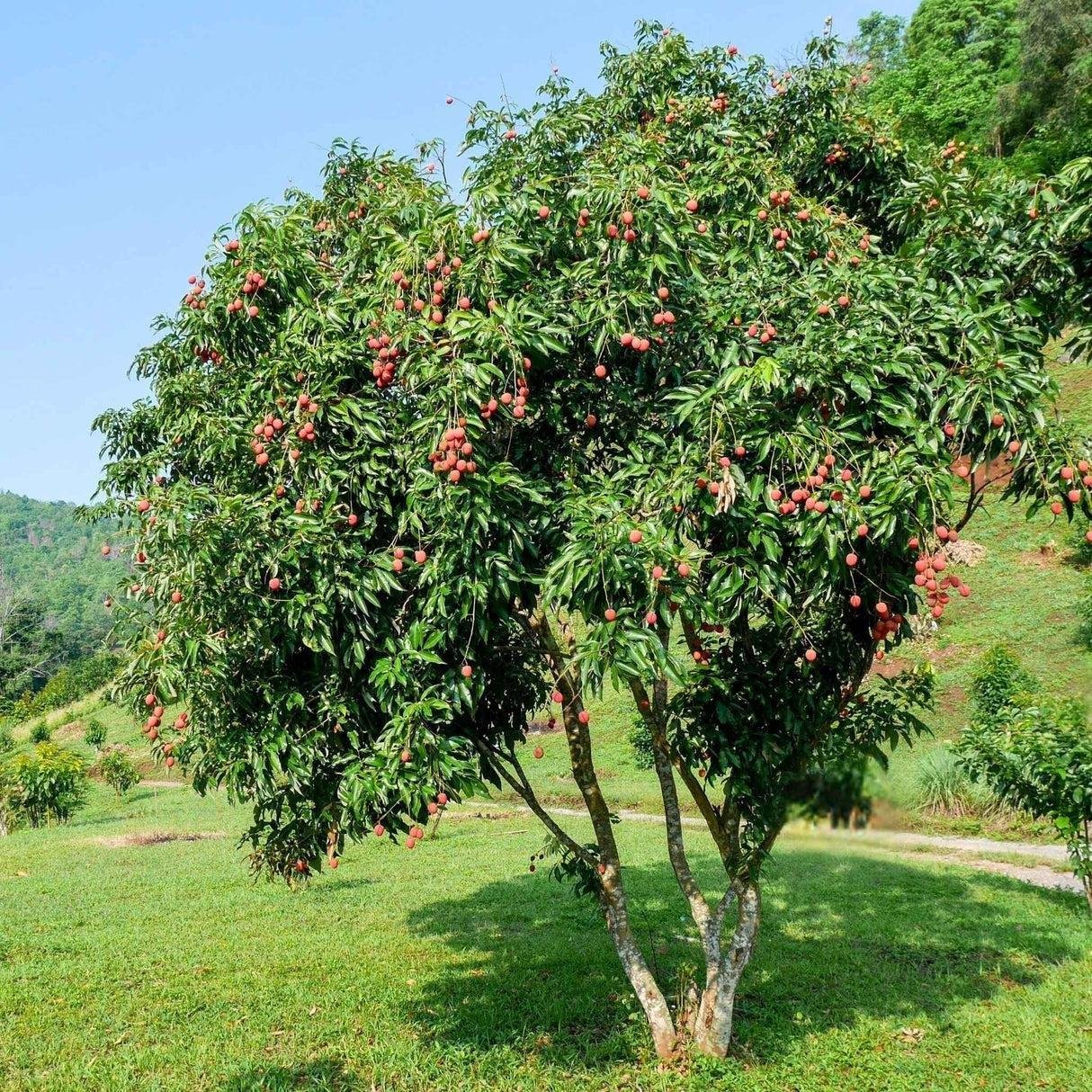
Exotic crops are only allowed in small demonstration micro-zones.
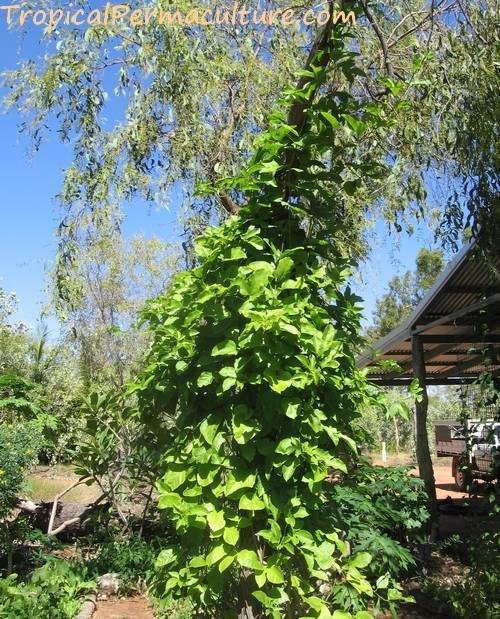
Vines are possible in the lower tier, when there is already shade and support.
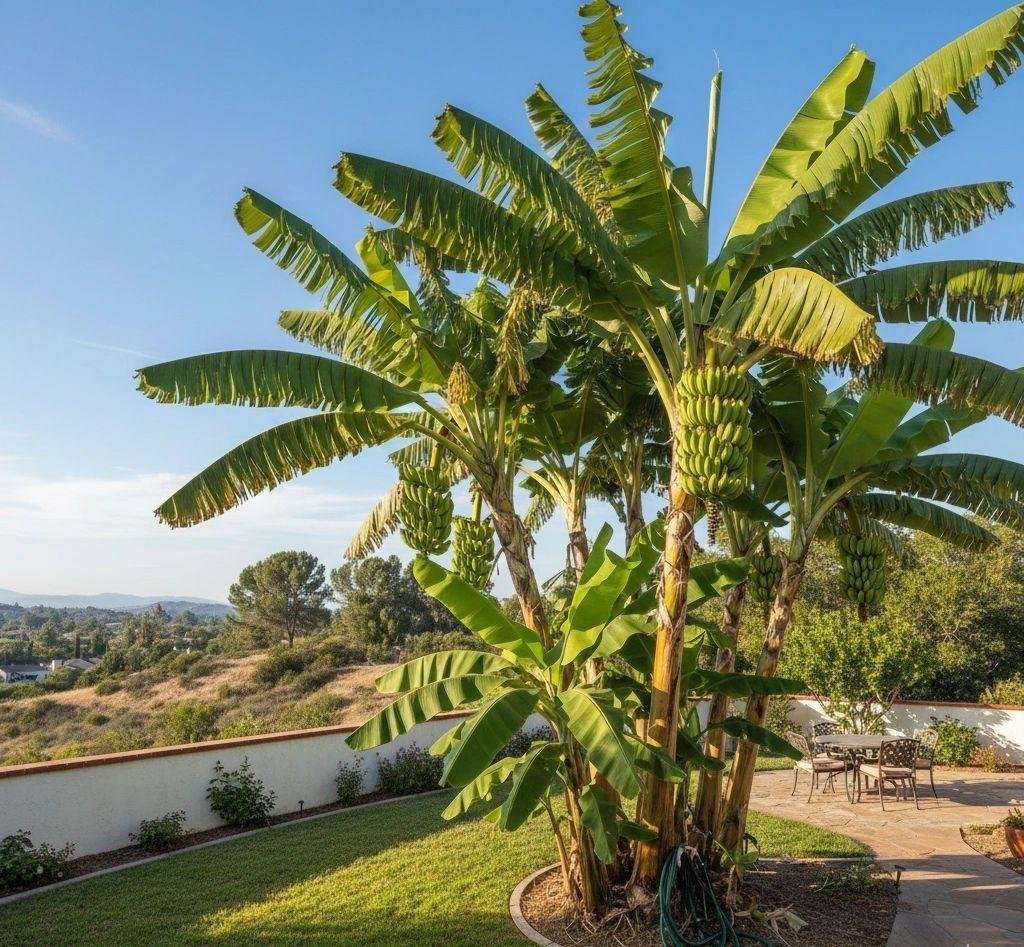
Banana is placed only in a specific spot, in an area with guaranteed water.
Phased introduction of fruit crops
The planting order is more important than the maximum list of species: each subsequent group depends on the result of the previous one.
| Phase | Cultures | Purpose | Transition condition |
|---|---|---|---|
| Phase 1 | Tamarisk, acacia | wind protection and primary shade | sand consolidation and evaporation reduction |
| Phase 2 | Fig, pomegranate, jujube | first fruit tier | stable moisture retention |
| Phase 3 | Date palm, grapes | oasis structure and productivity | stable soil and controlled watering |
| Phase 4 | Citrus fruits, mango | expansion of the product range | protected microclimate and reduced salinity |
| Phase 5 | Banana, papaya, exotic varieties | point demonstration sites | guaranteed water and constant monitoring |
The main conclusion
Fruit trees can be used in the DREVO project, but only as a consequence of the created system, not as a starting point. First, water, shade, soil, and wind protection are created; then a multi-layered fruit-bearing desert greenery emerges.
A working formula for the presentation: multi-tiered fruit gardening in the desert – from a protective framework to a productive oasis.