Maximum grass table: Western Sahara, coast
Riparian Corridor Grass Layer: Desert grasses, salt-tolerant groundcover species, forage plants and beneficial crops for protected areas.
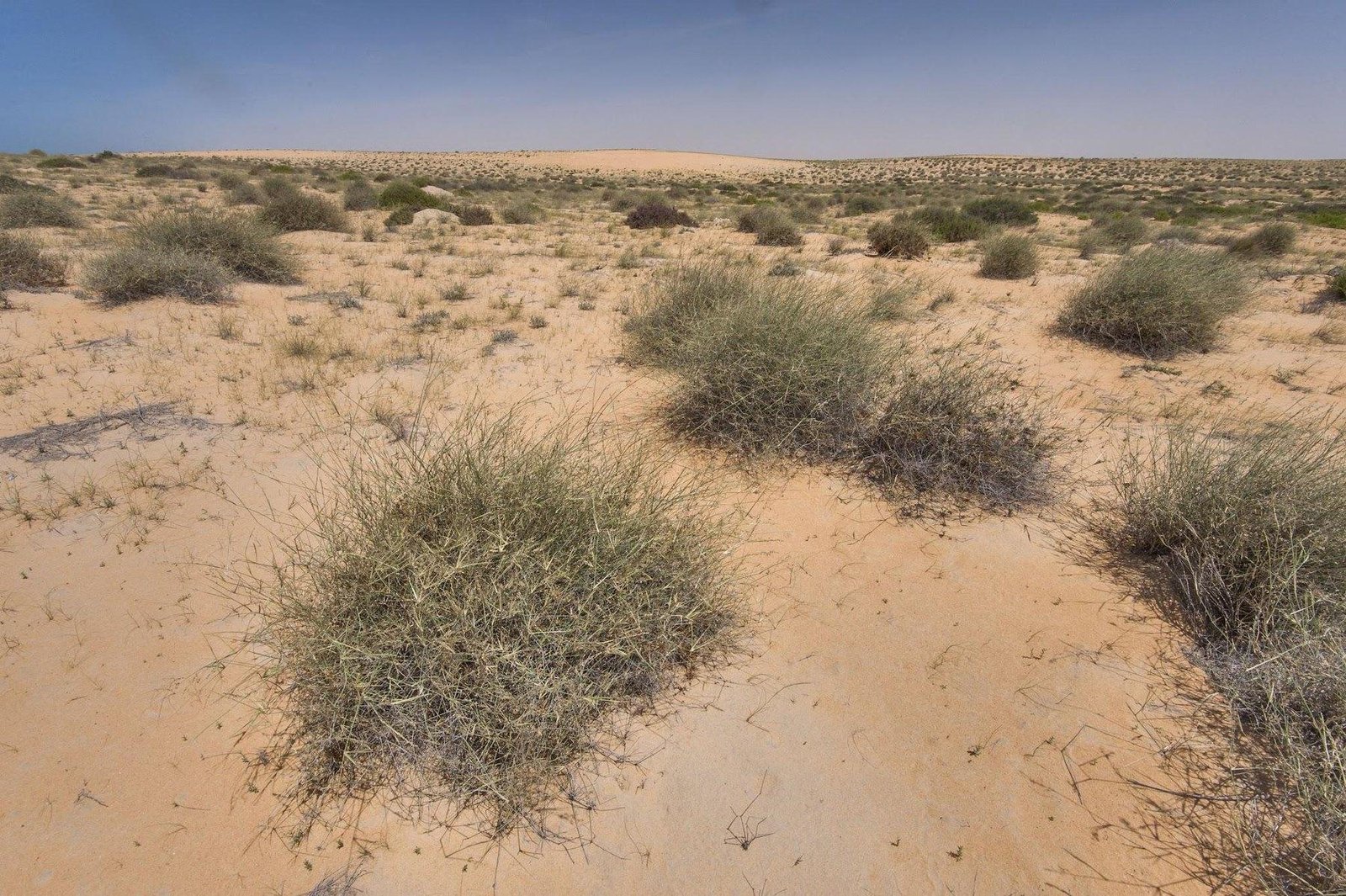
Grasses are the foundation of a living soil matrix
On the coast of Western Sahara, a grass layer isn't just a decorative addition. It fixes the sand, creates a root network, retains moisture, cools the surface, and prepares the soil for shrubs and trees.
Selection conditions: salt, wind, ocean fog, and partial irrigation. Therefore, the first group should consist of species capable of growing in poor soil and tolerating harsh coastal environments.
Article images
The visual block shows not a decorative lawn, but a working grass layer: dry-resistant grasses, salt-tolerant ground cover, and areas where the grass begins to retain sand between shrubs.
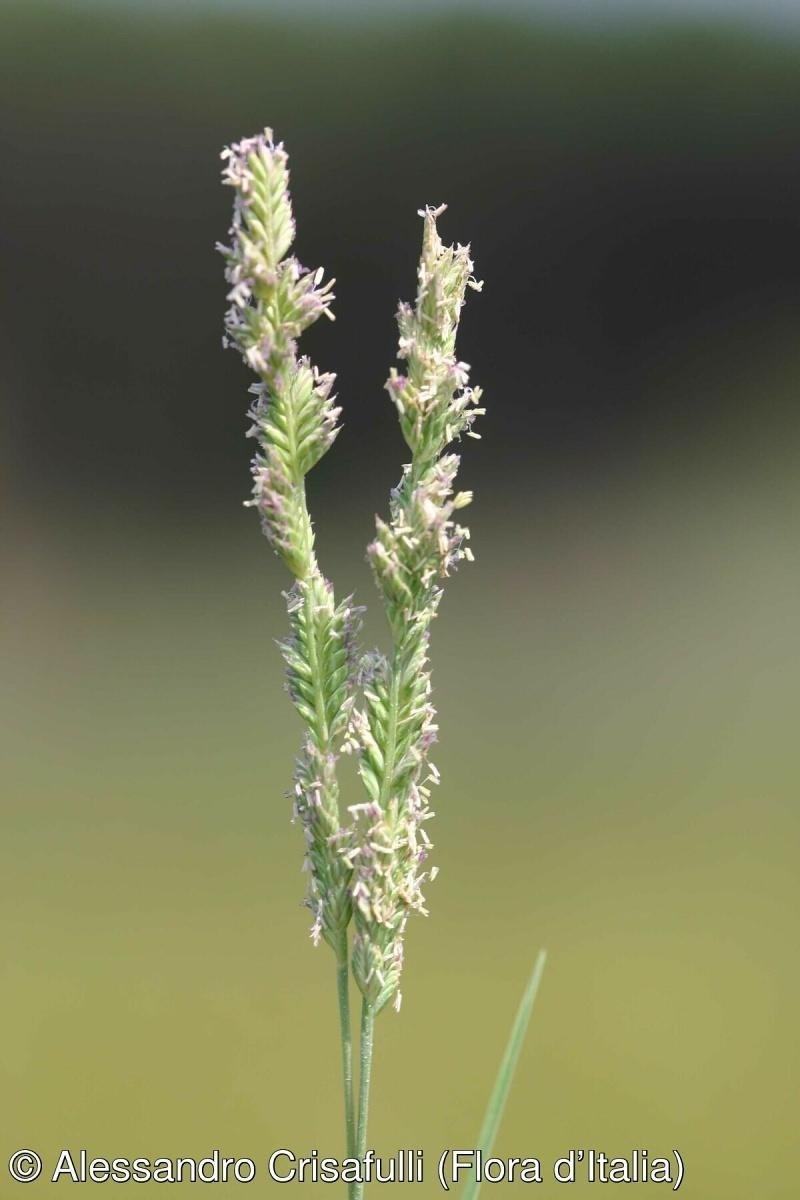
Cereals with dense ears are suitable for testing in dry and windy conditions.
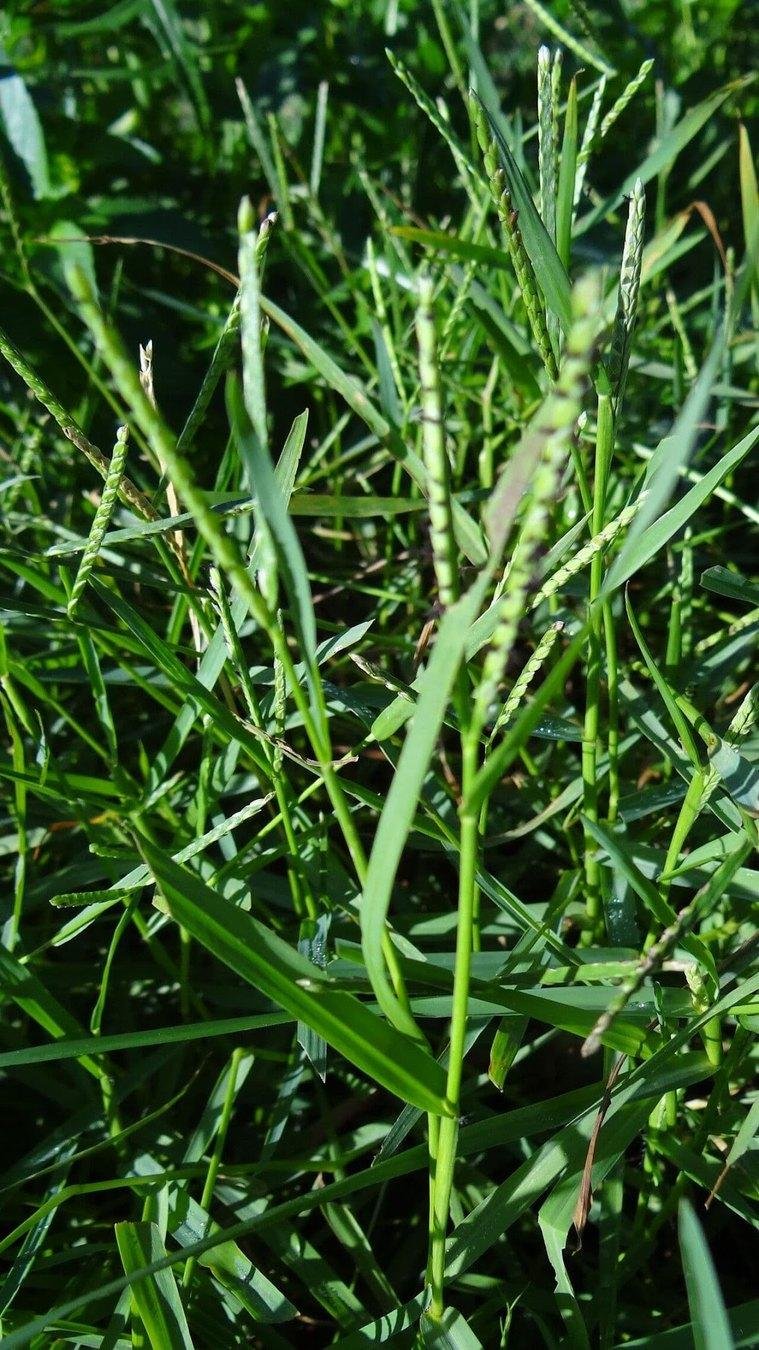
A dense bottom cover covers the soil, reduces evaporation and protects organic matter.
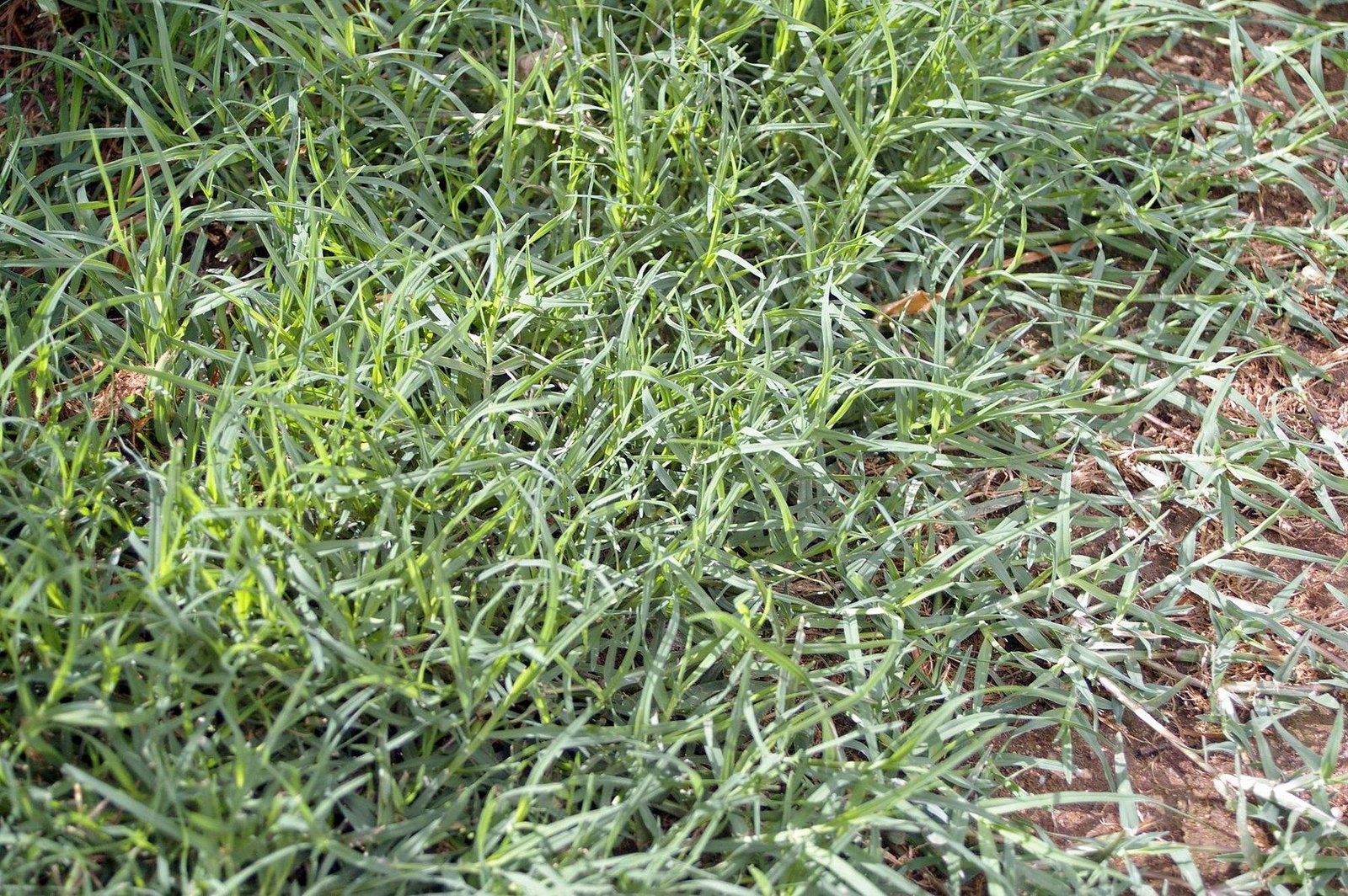
Soil-forming grasses create a root network that retains moisture and fine particles.
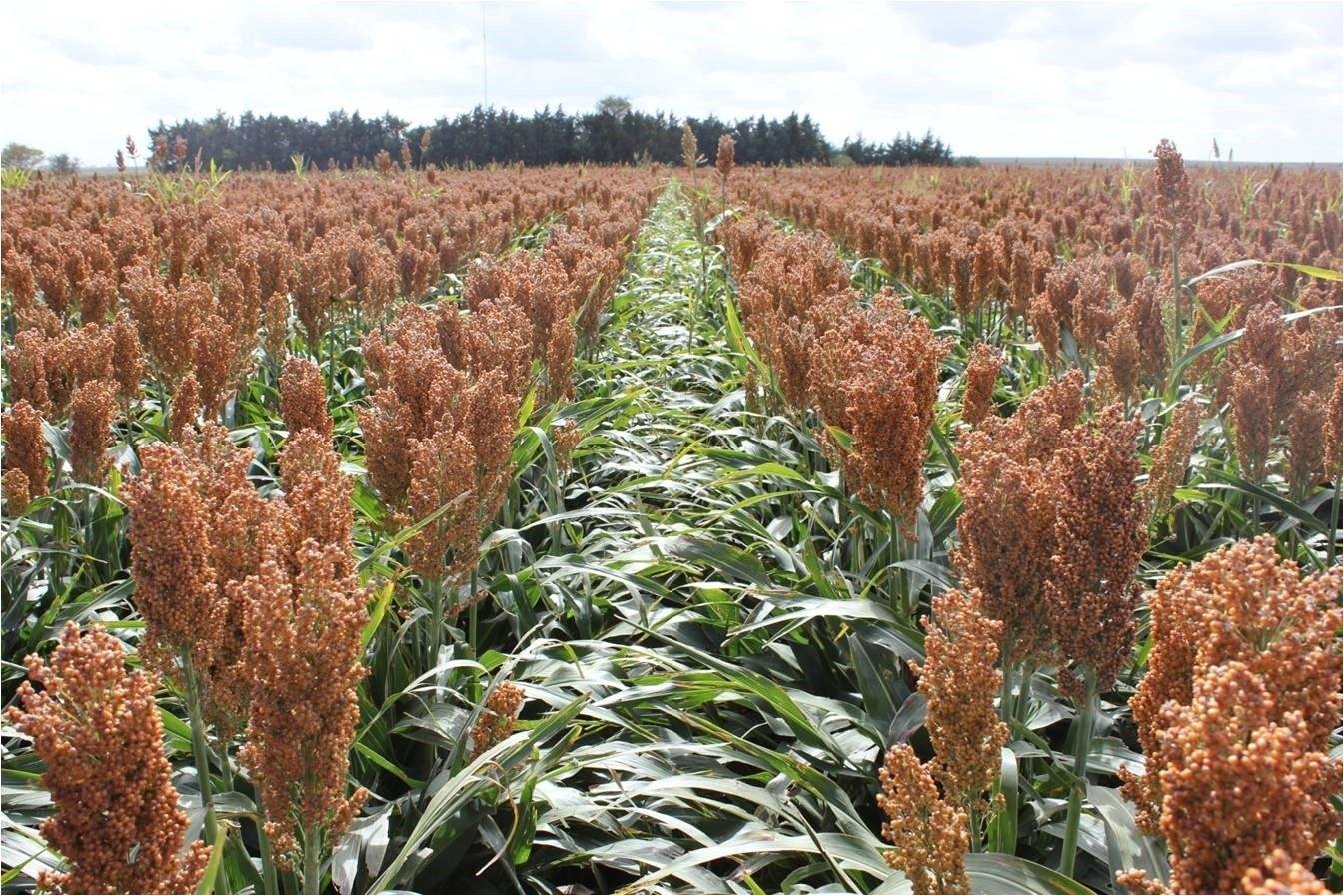
Forage and productive grasses belong to more protected areas where there is already water and soil.
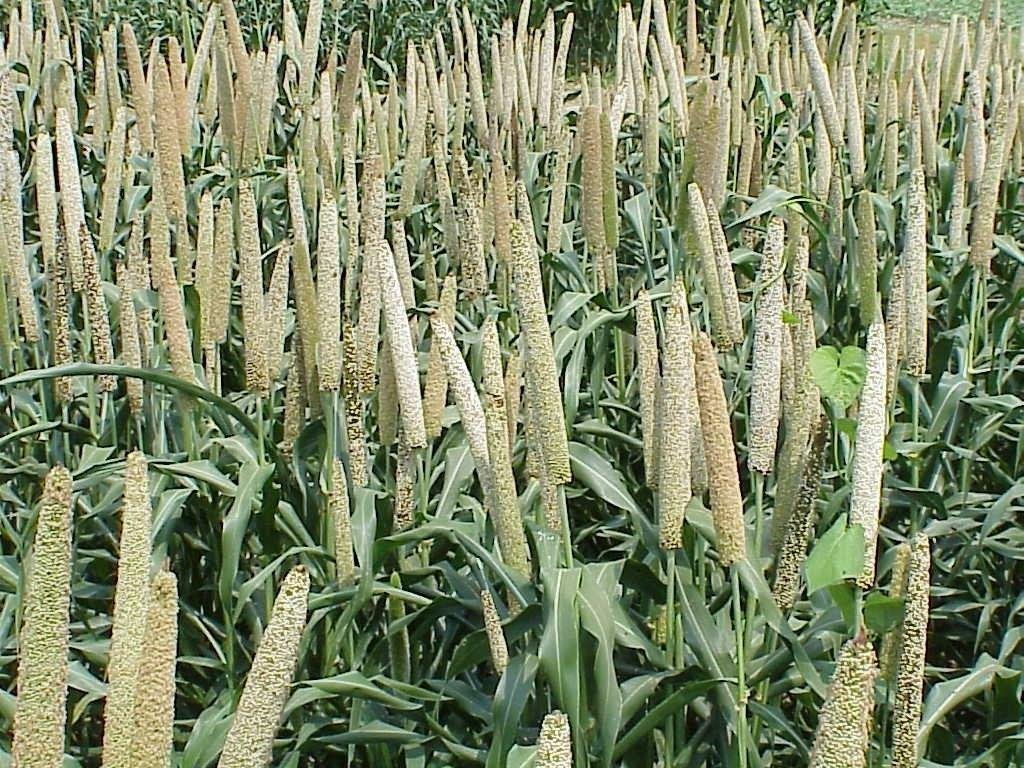
Tall grasses are appropriate as an inner tier after the initial stabilization of sand.
Level 1 - Basics
Desert and salt-tolerant grasses are essential for the start: they hold sand, cover the surface and reduce moisture loss.
| View | Latin name | Water | Salt | Shadow | Role |
|---|---|---|---|---|---|
| Bermuda grass | Cynodon dactylon | very low | high | yes | soil retention |
| Esparto | Very tenacious stick | very low | average | yes | sand fixation |
| Panicum | Panicum turgidum | very low | high | yes | dunes and dry areas |
| Laziurus | Lasiurus scindicus | very low | average | yes | desert grass for poor soils |
| Paspalum | Paspalum sheathed | low | very high | yes | salty coastal zones |
| Sporobolus | Sporobolus spicatus | very low | high | yes | coastal stabilization |
| European | Aeluropus littoralis | very low | very high | yes | saline soils |
Level 2 - Water-resistant
These species strengthen the soil, provide forage mass and help the system after the emergence of protected areas.
| View | Latin name | Water | Salt | Shadow | Role |
|---|---|---|---|---|---|
| Vetiver | Chrysopogon zizanioides | low | average | yes | deep roots and slope protection |
| Alfalfa | Medicago sativa | average | low | yes | nitrogen and feed mass |
| Clover | Clover spp. | average | low | yes | soil improvement |
| Fescue | Reed fescue | average | average | yes | dense cover |
| Dactyl | Dactylis glomerata | average | low | yes | feed and green mass |
| Lolium | Perennial ryegrass | average | low | yes | dense cover in a protected area |
Level 3 - Aromatic and beneficial
This group is not suitable for the front, but for an internal protected zone, where there is already shade, organic matter and controlled moisture.
| View | Latin name | Water | Salt | Shadow | Role |
|---|---|---|---|---|---|
| Thyme | Thymus spp. | very low | low | yes | soil and aromatic layer |
| Oregano | Common oregano | low | low | yes | aromatic culture |
| Mint | Mentha spp. | average | low | yes | wet protected areas |
| Basil | Ocimum basilicum | average | low | yes | food use |
| Coriander | Coriander | average | low | yes | food use |
| Parsley | Crisp parsley | average | low | yes | food use |
Additional layer - succulents and semi-herbs
| View | Latin name | Role |
|---|---|---|
| Purslane | Purslane | moisture retention and soil cover |
| Mesembryanthemum | Mesembryanthemum spp. | salty zones and dry microrelief |
| Carpobrotus | Edible Carpobrotus | ground cover, only with spread control |
| Sesuvium | Sesuvium purslane | work in salty areas |
How herbs work in the system
| 1. Sand fixation The roots bind the top layer and reduce windblown air. | 2. Root network creates a living structure for future soil. | 3. Moisture retention The cover reduces evaporation and surface overheating. | 4. Soil cooling The lower green layer protects the roots of shrubs and trees. |
|---|
The basic scheme of the project: sand → grasses → shrubs → trees → fruit crops. Minimum starter kit: Cynodon + Stipa + Aeluropus + Vetiver.
Editorial conclusion: Grasses are not secondary greenery, but a living soil matrix. Ignoring the grass layer causes the area to overheat and dry out faster.