Where does the salt on the coast come from?
For coastal corridors, salt is often more dangerous than heat. It comes from ocean aerosols, fog, soil, evaporation, and wind, so the project must not simply water the plants but intercept the salt with protective layers.
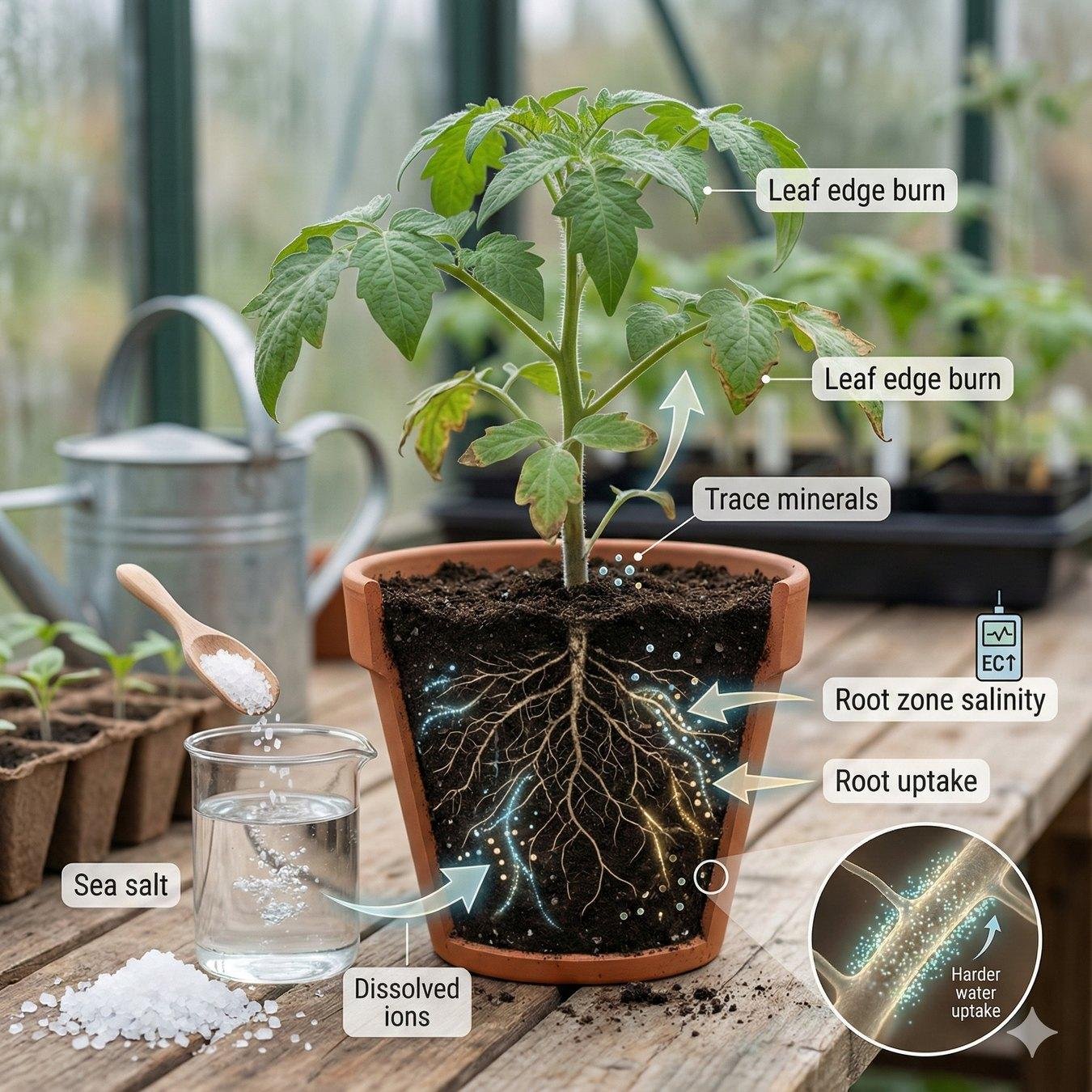
Salt as the main stress on the coast
Salt doesn't come from just one place
On the coast, salt enters the system through several pathways. Salt aerosol settles on leaves, salt fog brings moisture and minerals, evaporation lifts salts to the surface, and wind transports salt particles along with dust and sand.
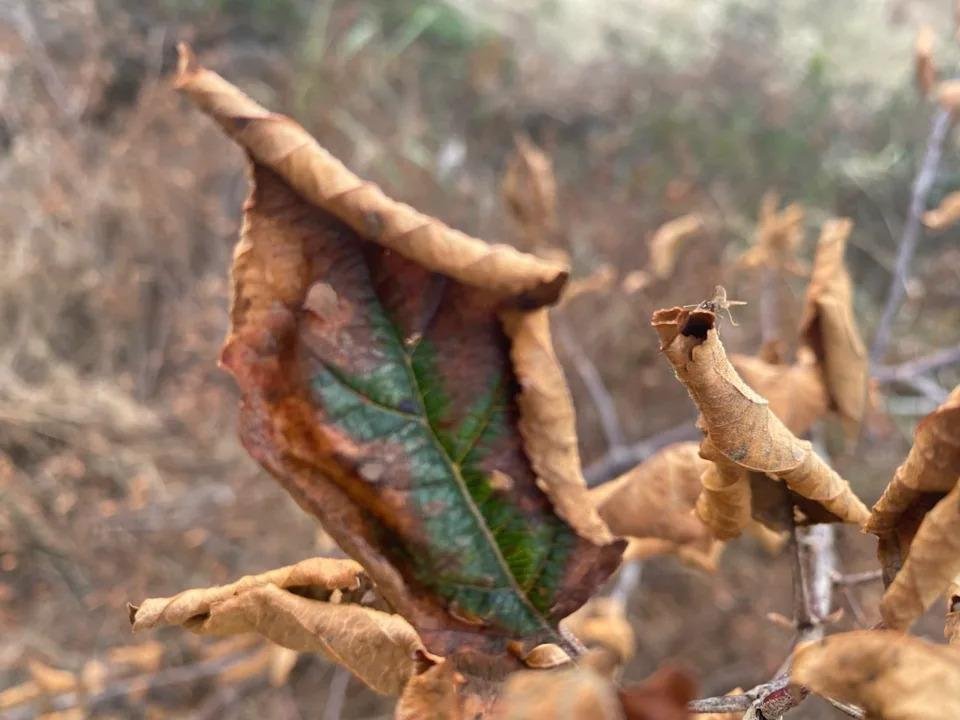
Leaf margin scorch is a typical visual sign of salt and water stress.
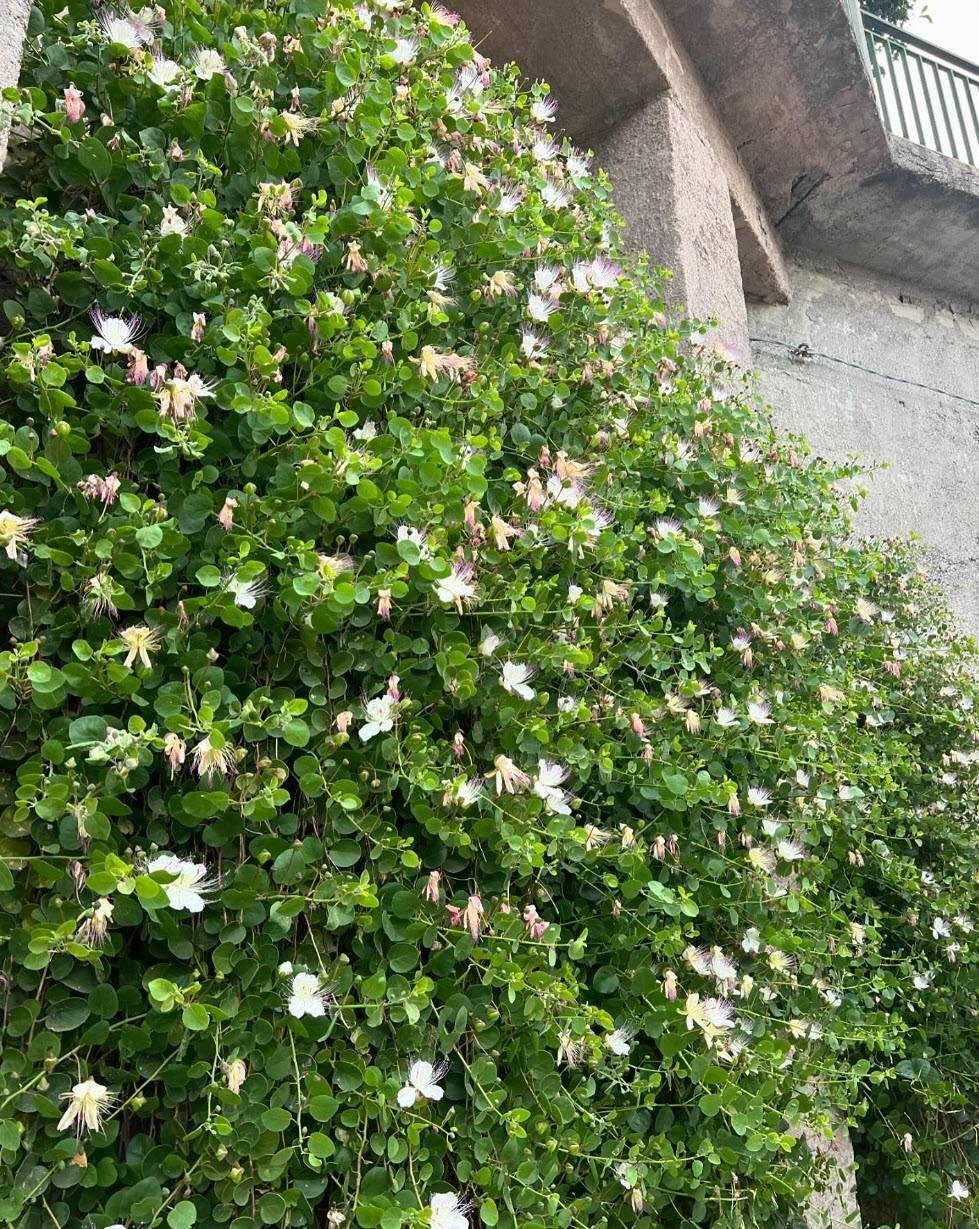
The coastal zone receives salt through air, soil and moisture.
Main sources of salt
| Source | How it works | What does this mean for the project? |
|---|---|---|
| Sea wind | small drops of salt water fly from the ocean and settle on the leaves | the front line should take the hit, not the fruit crops |
| Soil | brackish groundwater and evaporation leave salt in the top layer | Mulch, drainage, water analysis and careful watering are needed |
| Fog | provides moisture, but can carry sea salts | fog is useful but requires a salt-tolerant front line |
| Wind and dust | transport salt particles and increase dehydration | nets, shrubs, microrelief and gradual planting are needed |
What does salt do to a plant?
The main danger of salt isn't just the chemical burn it causes on the leaves. Salt alters the plant's water balance: roots absorb water less effectively, even if the soil is moist. The plant may appear water-starved, but the cause is often high salt concentrations.
| Effect | Manifestation | Project conclusion |
|---|---|---|
| Leaf burn | white spots, dry edges, loss of green mass | the first line should consist of salt-tolerant species |
| Water blockage | the roots cannot absorb moisture normally | Watering without salt control can make the situation worse. |
| Growth inhibition | weak species stop developing and die | fruit crops are introduced only in the protected area |
| Salt crust | the top layer of soil becomes hard and toxic | mulch, organic matter, leaching and drainage are needed |
How to read stability tables
In design tables, the level of salinity tolerance should be understood in a practical sense. High tolerance means the ability to work closer to the ocean. Medium tolerance is suitable for the interior of the system. Low tolerance requires protection, shade, controlled irrigation, and reduced salinity.
| Salt level | Where can it be applied? | Examples of species |
|---|---|---|
| High / very high | first line, zone of salty wind and aerosol | Tamarix, Atriplex, Suaeda, Salsola |
| Average | inside the system, behind the first barrier | Acacia, Ficus carica, Punica granatum |
| Low | only under protection, in the shade and with controlled watering | Citrus, Mango, Avocado |
DREVO protection layers
Salt can't be completely removed, but it can be intercepted. Therefore, the planting pattern should proceed from the ocean to the inland protected zone: first, salt-tolerant shrubs, then wind-resistant trees, then fruit and more sensitive crops.
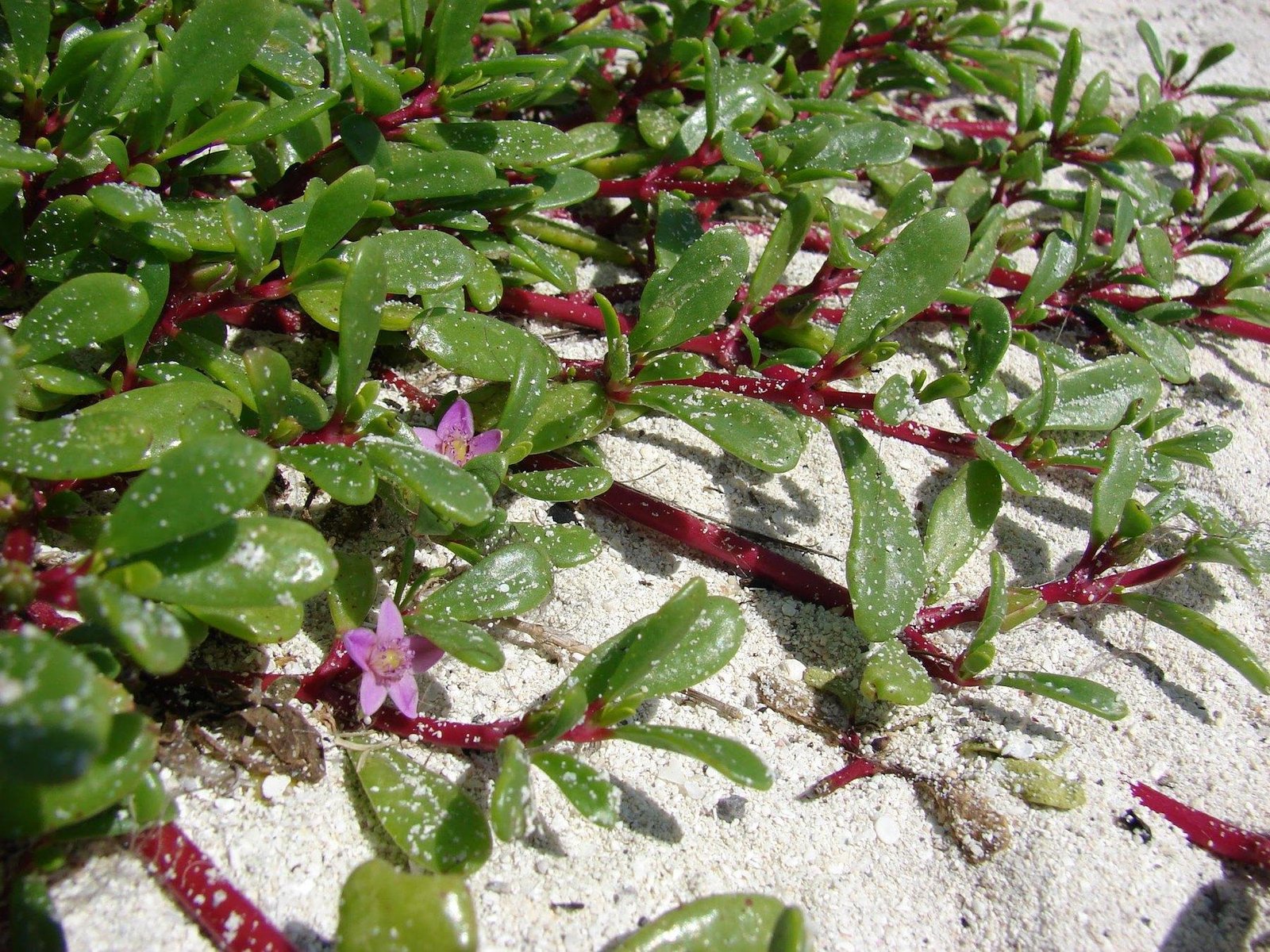
Zoning away from the ocean helps place resilient species closer to the salt shock.
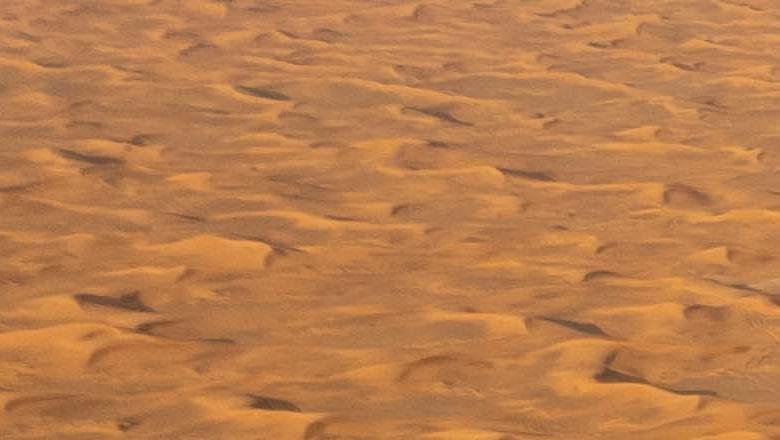
The internal logic of the corridor is constructed as a sequence of protective layers.
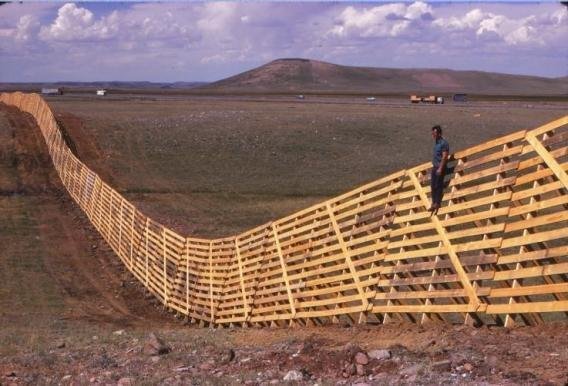
Nets and wind barriers reduce the transfer of salt aerosol and sand.
The main mistake
The most common mistake is planting fruit trees right next to a road or close to the ocean. They're exposed to salty winds, overheating, dry soil, and poor protection. As a result, the plant dies not so much from the temperature as from salt, wind, and impaired water absorption.
The practical formula is: first intercept salt, then reduce wind, then improve the soil, and only then sensitive crops.
Practical conclusion
If salt is properly managed, plant survival can increase severalfold. DREVO shouldn't "fight" salt directly: the project should intercept it as a first line of defense, dissipate wind damage, and create a protected indoor environment.