Herbs sorted by ocean zone
Plants aren't chosen randomly. They're placed along an environmental gradient: ocean, salt, sand retention, soil, food, and a protected microclimate.
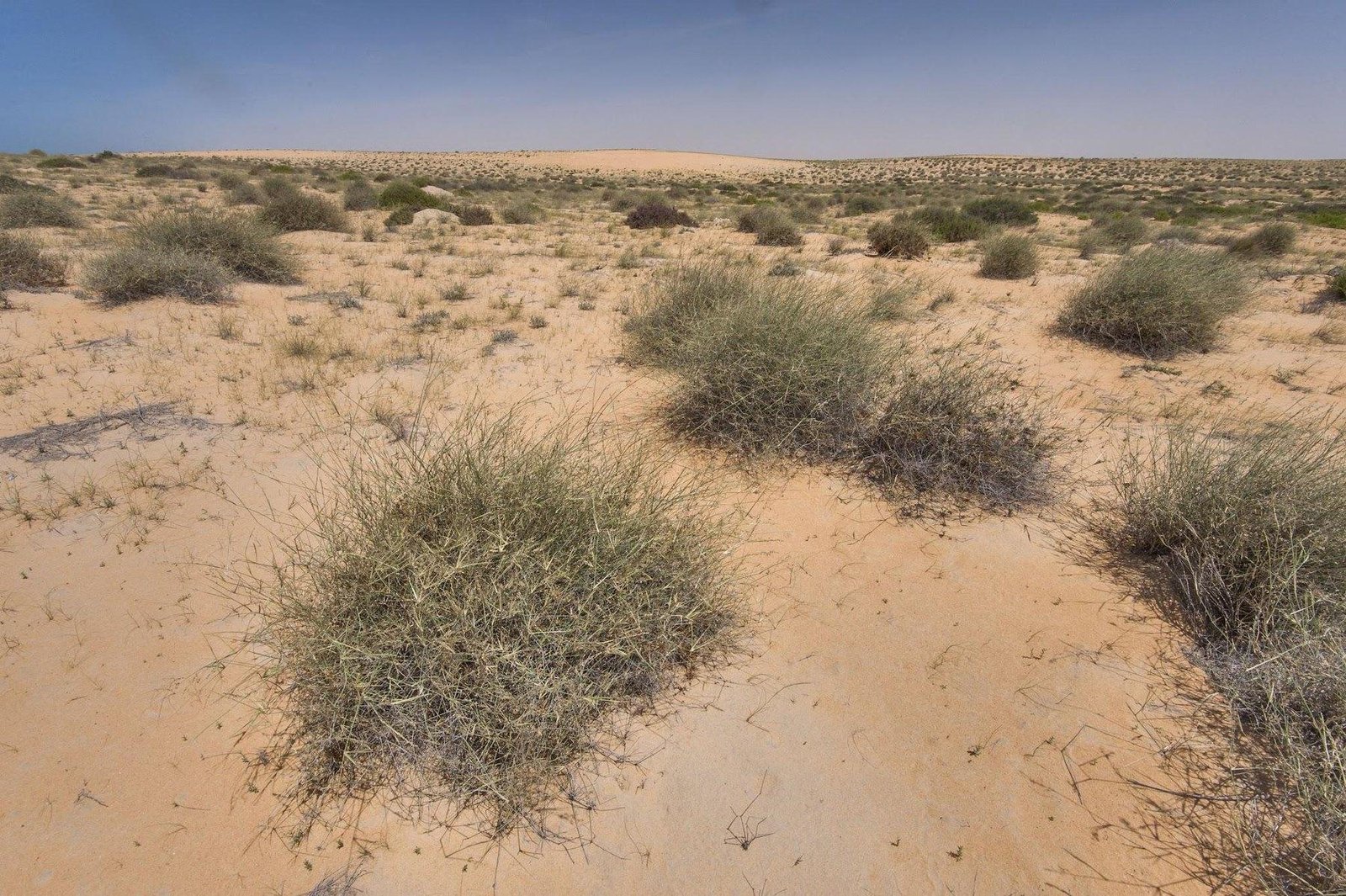
Article by DREVO
Ecological gradient from the ocean
Near the ocean, plants encounter salt, wind, and aerosols. Further from the coast, the pressure gradually decreases, so the function of grasses changes: first, survival and protection, then soil formation, biomass, food, and edible crops.
The main mistake in this system is planting the "best" plants right away. The first 50-100 meters are not intended for food, but for protection and stabilization.
General scheme
| Ocean salt, wind, aerosol | Fixation first cover and salt barrier | Soil roots, organic matter, nitrogen | Food only after protection and water | Now microclimate, shade, precision watering |
|---|
Zone 1. Right next to the ocean, 0-30 m
Extreme salt, strong winds, and salt aerosols. Here, plants act as a first line of defense rather than as productive crops.
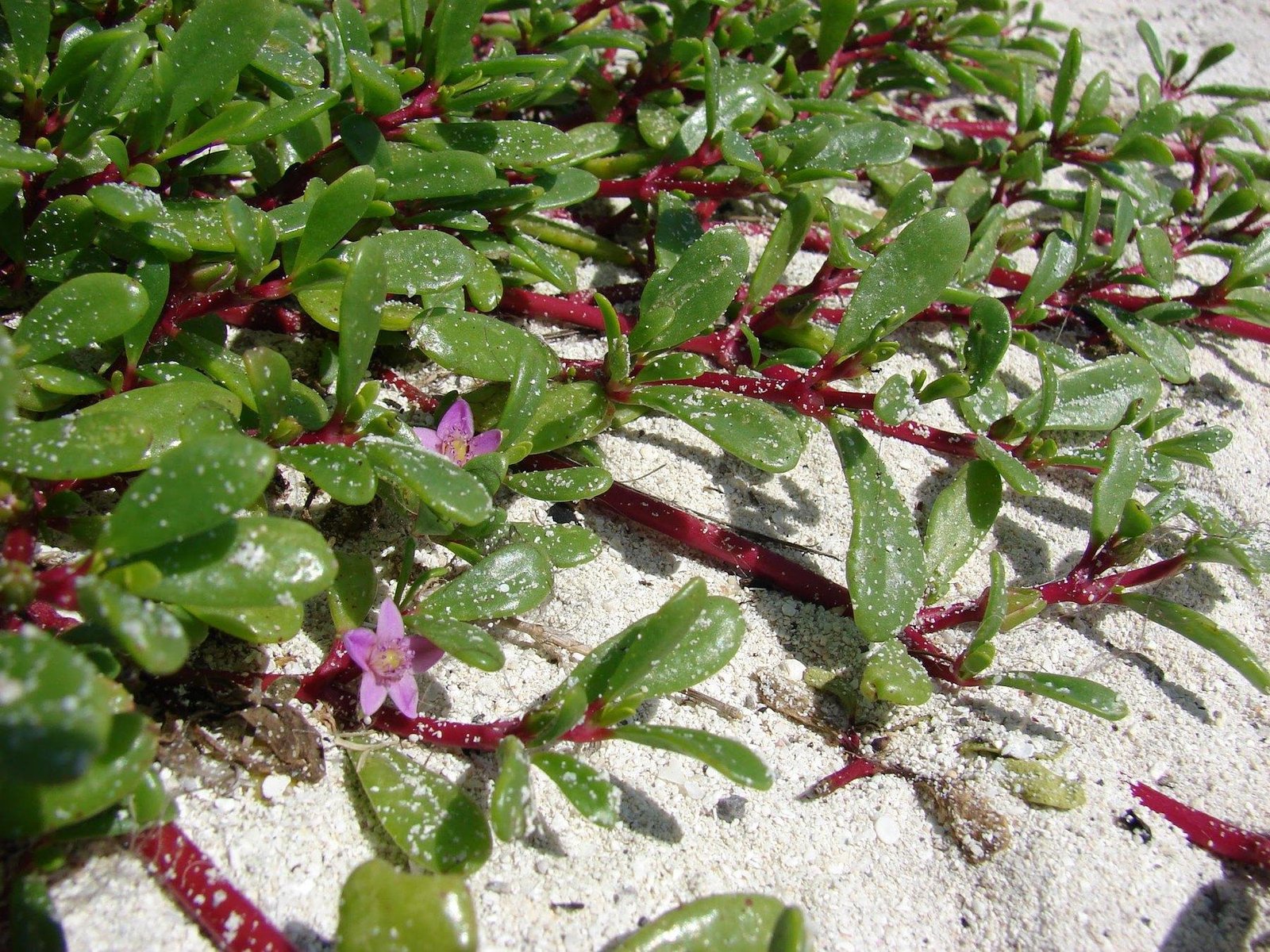
Coastal succulent and salt-tolerant species cover the sand near the ocean.
| View | Latin name | Role |
|---|---|---|
| Sesuvium | Sesuvium purslane | extreme salt |
| Eluropus | Aeluropus littoralis | saline soils |
| Paspalum | Paspalum sheathed | salt barrier |
| Mesembryanthemum | Mesembryanthemum spp. | moisture retention |
| Carpobrotus | Edible Carpobrotus | sand fixation |
This is the first line of defense.
Zone 2. Salt barrier, 30-80 m
The salt is still strong, but the ocean pressure is lower. A dense living barrier and the first stable soil layer can form here.
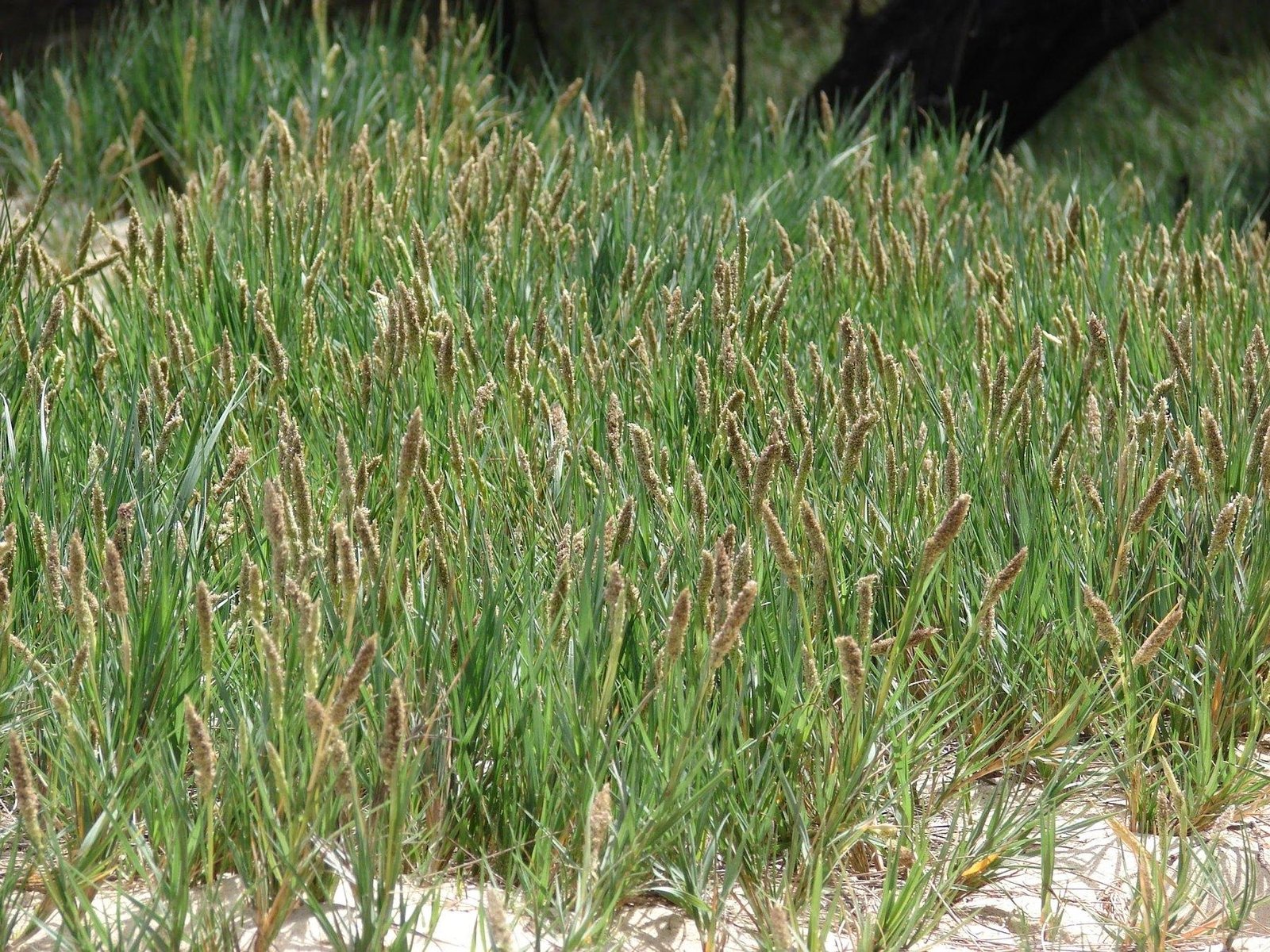
Dense grasses form a barrier and hold sand behind the first line.
| View | Latin name | Role |
|---|---|---|
| Bermuda grass | Cynodon dactylon | consolidation |
| Sporobolus | Sporobolus spicatus | sands |
| Purslane | Purslane | cover |
| Zygophyllum | Zygophyllum spp. | stability |
| Cenchrus | Cenchrus ciliaris | structure |
The first soil layer is formed.
Zone 3. Transition zone, 80-150 m
In this zone, it is already possible to actively build up the soil: add biomass, nitrogen-fixing species, and resistant dune grasses.
| View | Latin name | Role |
|---|---|---|
| Panics | Panicum turgidum | dunes |
| Laziurus | Lasiurus scindicus | sands |
| Alfalfa | Medicago sativa | nitrogen |
| Clover | Clover spp. | soil |
| Vika | Vicia spp. | humus |
Living soil begins.
Zone 4. Inner zone, 150-300 m
After the shelterbelts, it becomes possible to grow productive forage and food species with controlled water.
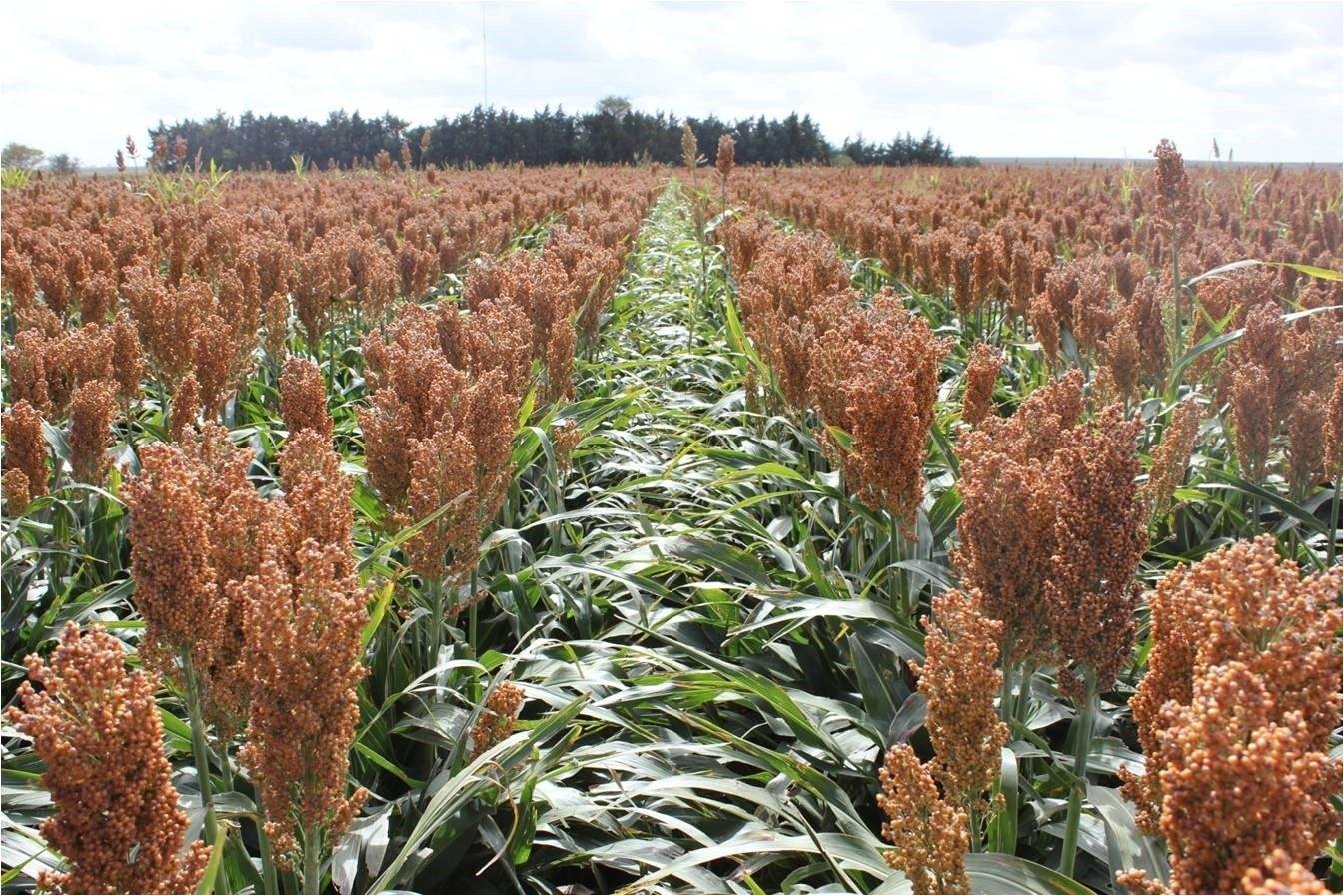
The internal zone is suitable for biomass, feed and first food crops.
| View | Latin name | Role |
|---|---|---|
| Vetiver | Chrysopogon zizanioides | depth |
| Sorghum | Sorghum bicolor | biomass |
| Millet | Pennisetum glaucus | feed |
| Amaranth | Amaranthus spp. | food |
| Spinach | Spinacia oleracea | leaves |
This is a food production zone.
Zone 5. Microclimate, 300 m+ or in the shade
This is the oasis level: it offers shade, protection from the wind, and precise watering. Greens, spices, and more delicate herbs are grown here.
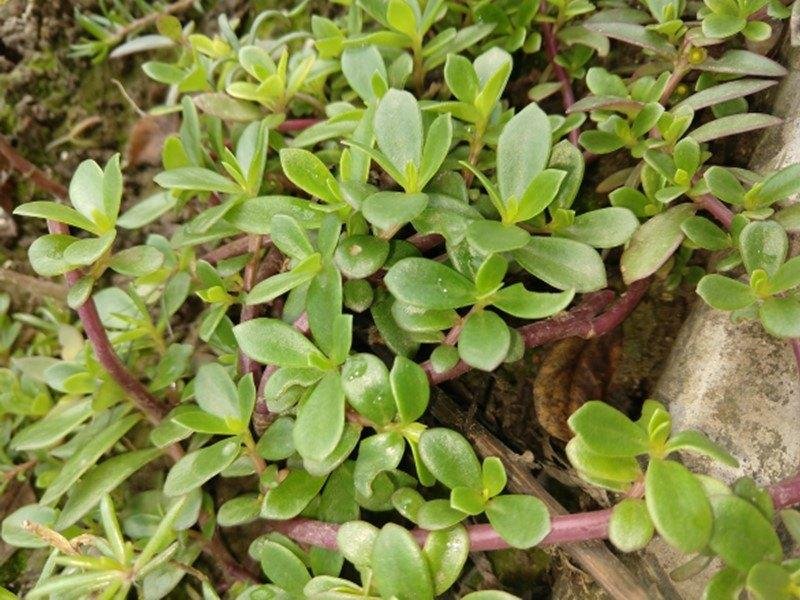
In a protected microclimate, greens, spices and humid mini-zones are possible.
| View | Latin name | Role |
|---|---|---|
| Mint | Mentha spp. | wet areas |
| Basil | Ocimum basilicum | food |
| Coriander | Coriander | spices |
| Parsley | Crisp parsley | green |
| Thyme | Thymus spp. | stability |
This is the oasis level.
Conclusion
A powerful idea for the project is to show not just a list of species, but an ecological gradient from the ocean. This logic is scientific, clear, and compelling: each zone receives plants that correspond to its wind, salt, water, and protection level.