Fruit Tree Table: The Ultimate List
A comprehensive list of fruit trees, categorized by resistance level, from basic oasis crops to experimental species for advanced systems.
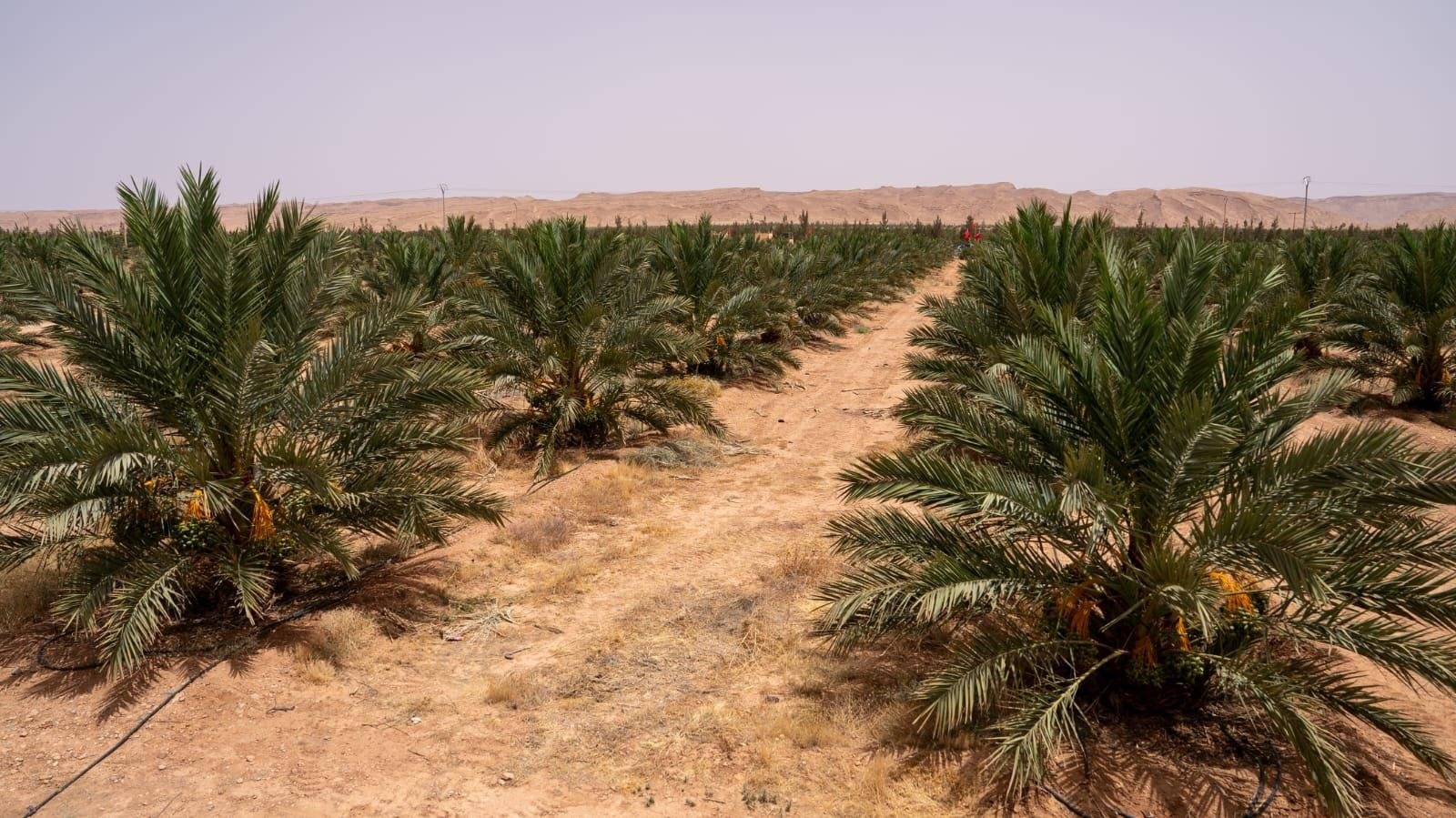
The maximum list does not mean “plant everything at once”
This source material categorizes fruit trees by hardiness level. For DREVO, the key isn't the number of crops, but the correct sequence: first, hardy oasis varieties, then moderately watered crops, then citrus, and only then, tropical experiments.
Fruit trees are the result of a well-functioning system: shade, water retention, soil cover, windbreaks, and salt reduction. If sensitive species are planted too early, they will consume water but will not build resilience.
Article images
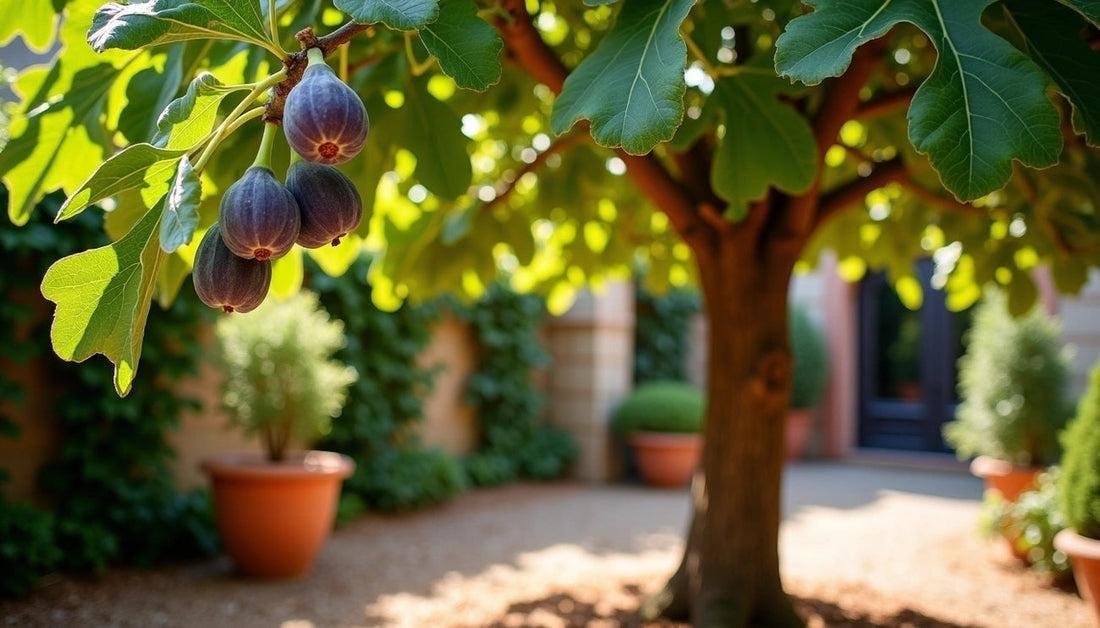
Figs are among the most resistant fruit species to dry conditions.
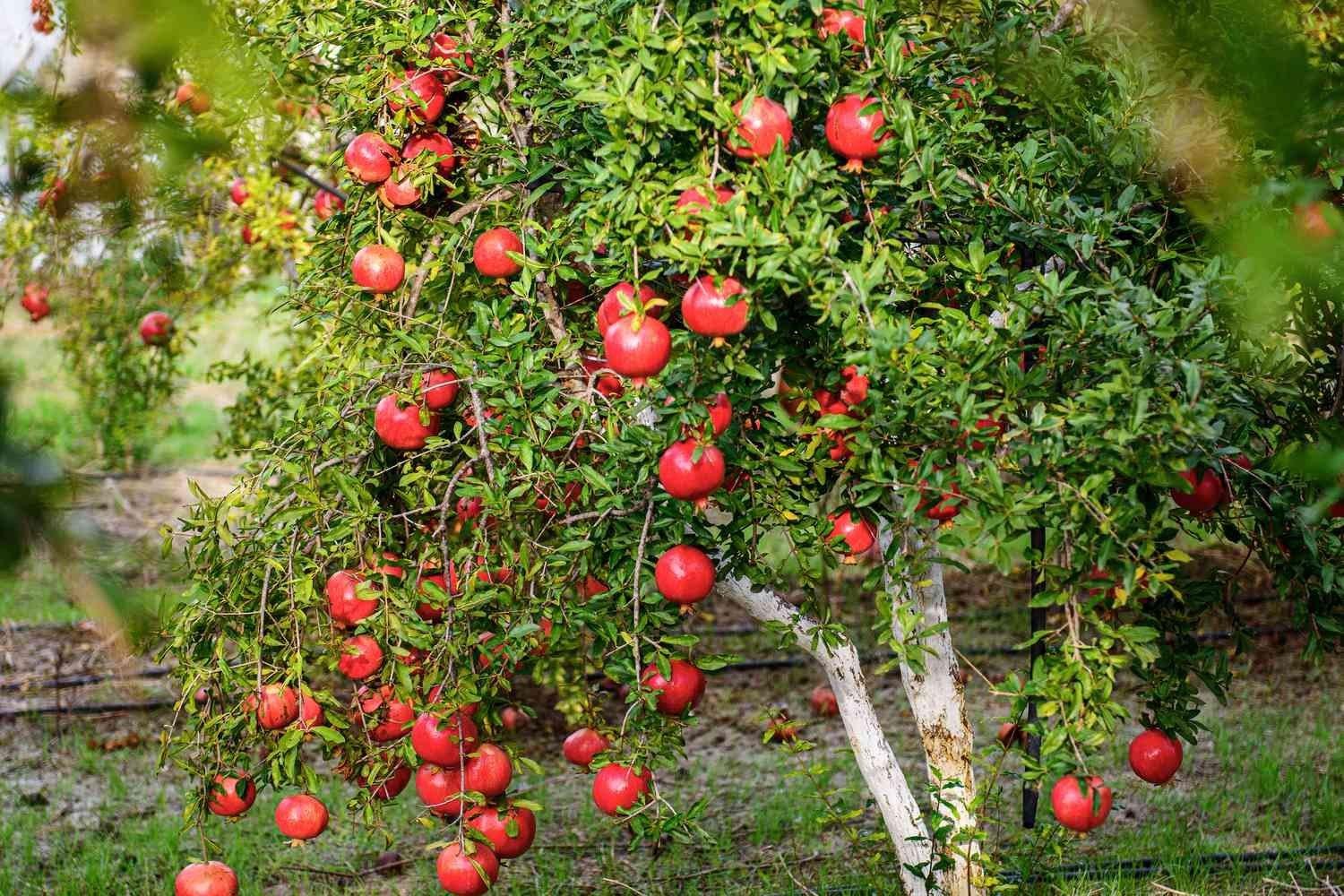
Pomegranate tolerates heat well and is suitable for early productive rows.
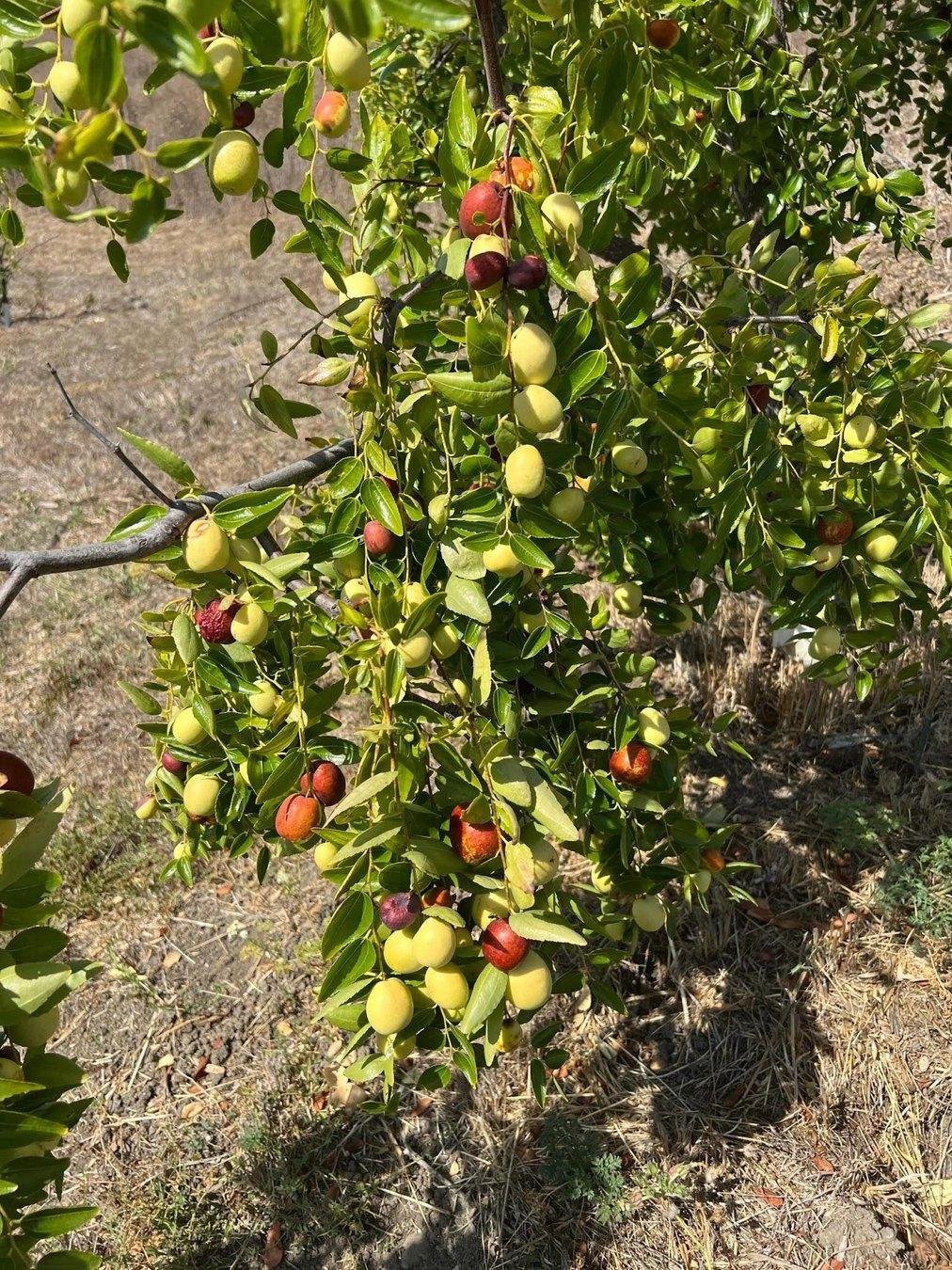
Ziziphus produces fruit and shade even with minimal care.
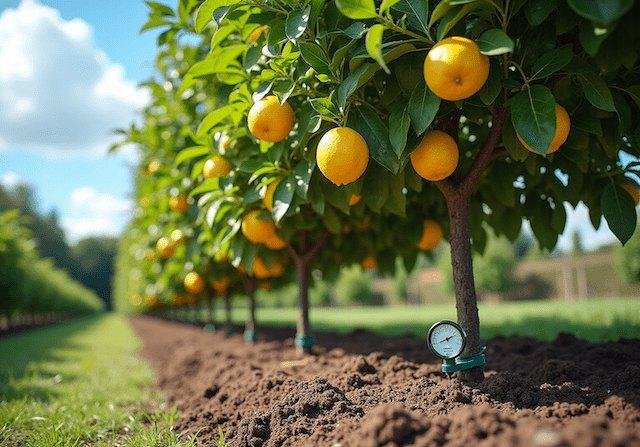
Citrus fruits are only possible after water, shade and salt control.
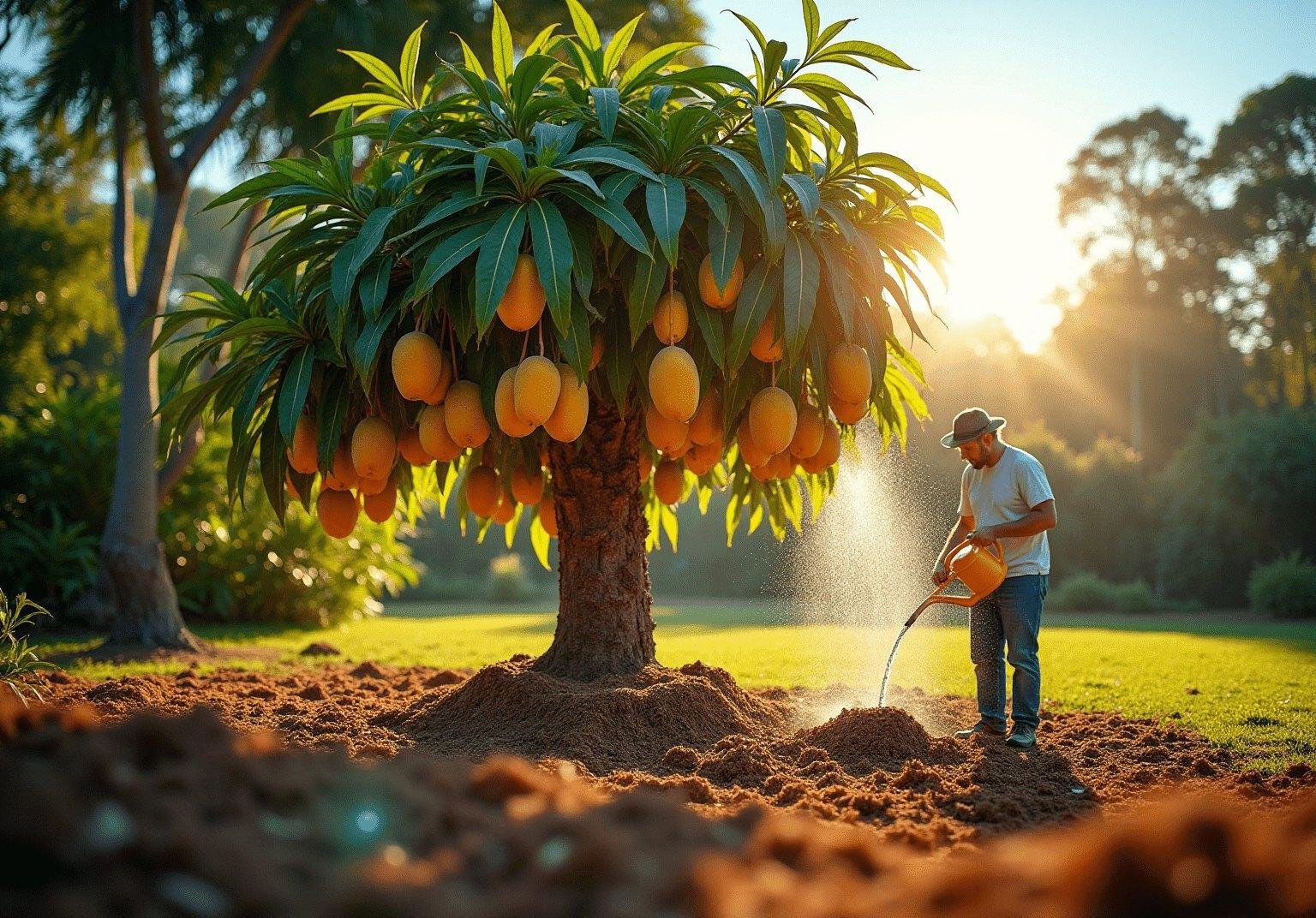
Mango and tropical crops are in the experimental phase.
Level 1 - Basic
The most reliable crops even with weak watering.
| View | Latin name | Water | Comment |
|---|---|---|---|
| Date palm | Phoenix dactylifera | low-medium | founded the oasis |
| Fig | Fig tree | low | very stable |
| Pomegranate | Pomegranate | low | tolerates heat |
| Ziziphus | Ziziphus mauritiana | very low | almost wild tree |
| Ziziphus Christov | Ziziphus thorn-of-christ | very low | super-resistant |
| Mulberry | White / black mulberry | low | growing quickly |
Level 2 - Tolerant to watering
These types are connected after the area has been stabilized, shade has appeared, and controlled watering has been established.
| View | Latin name | Water | Comment |
|---|---|---|---|
| Olive | European olive tree | low-medium | classic of dry regions |
| Grape | Wine grapevine | average | better in the shade and on supports |
| Almond | Sweet cherry | average | requires drainage |
| Carob | Ceratonia siliqua | low | very stable |
| Peach | Peach tree | average | only when defending |
| Apricot | Prunus armeniaca | average | sensitive to heat |
| Plum | Prunus domestica | average | care is needed |
Level 3 - Requires water and supervision
Cultures of this level are only possible within a protected microclimate.
| View | Latin name | Water | Comment |
|---|---|---|---|
| Orange | Citrus sinensis | medium-high | requires salt control |
| Lemon | Citrus limon | medium-high | sensitive |
| Mandarin | Citrus reticulata | average | better in the shade |
| Grapefruit | Citrus paradisi | average | heat-resistant |
| Guava | Psidium guajava | average | adaptive |
| Papaya | Carica papaya | medium-high | growing quickly |
| Mango | Mangifera indica | medium-high | requires protection |
| Banana | Musa spp. | high | only in microclimate |
Level 4 - Exotic
Exotic species are acceptable as display and research crops, but not as the basis of a pilot.
| View | Latin name | Water | Comment |
|---|---|---|---|
| Avocado | Persea americana | high | only with stable water |
| Lychee | Litchi chinensis | high | difficult |
| Passion fruit | Passionflower | average | like a liana |
| Dragon fruit | Hylocereus spp. | low-medium | perspective on supports |
| Tamarind | Tamarindus indica | average | stable and thermophilic |
| Sapodilla | Manilkara zapota | average | requires warmth |
| Cashews | Western cashew | average | experimental warm zone |
Additional layer
| View | Latin name | Why is it important? |
|---|---|---|
| Prickly pear | Opuntia ficus-indica | food, water, feed and a protective succulent layer |
| Aloe | Aloe vera | medicine and survival in the dry zone |
| Capers | Spiny caper | grow on poor soils and provide food resources |
Summary table of fruit trees
| View | Latin name | Water | Salt | Shadow | Level | Comment |
|---|---|---|---|---|---|---|
| Date palm | Phoenix dactylifera | average | average | yes | 1 | founded the oasis |
| Fig | Fig tree | low | average | yes | 1 | one of the best |
| Pomegranate | Pomegranate | low | average | yes | 1 | sustainable |
| Ziziphus | Ziziphus mauritiana | very low | average | yes | 1 | almost wild tree |
| Olive | European olive tree | low | low | partially | 2 | classic |
| Grape | Wine grapevine | average | low | yes | 2 | under the shade |
| Carob | Ceratonia siliqua | low | average | partially | 2 | sustainable |
| Dragon fruit | Hylocereus spp. | low-medium | average | yes | 2 | good for tests |
| Orange | Citrus sinensis | medium-high | low | yes | 3 | salt control |
| Mango | Mangifera indica | medium-high | low | yes | 3 | requires protection |
| Banana | Musa spp. | high | low | yes | 3 | only in the system |
| Avocado | Persea americana | high | low | yes | 4 | difficult |
| Lychee | Litchi chinensis | high | low | yes | 4 | difficult |
How to use the list
| Phase 1 date, fig, pomegranate, jujube. | Phase 2 olive, grape, carob, almond. | Phase 3 citrus and more demanding species. | Phase 4 tropical and experimental crops. |
|---|
The actual water consumption shows why the system should not just supply water, but retain it: a date tree may require 20-40 liters per week, a fig 10-20 liters, a citrus 30-60 liters, and a banana 50-100 liters.
Editorial conclusion: Multi-tiered fruit gardening in the desert is possible, but only as a consequence of a functioning system, and not as the first step of a project.